

Hey there! As a supplier of RF Deactivators, I often get asked about the frequencies these nifty devices target. So, let's dive right in and explore this topic!
First off, if you're not completely familiar with RF Deactivators, they're essential tools in the world of Electronic Article Surveillance (EAS). EAS systems are used in stores to prevent theft. When a customer buys an item, the RF Deactivator is used to neutralize the security tag on that item, so it won't trigger the alarms at the store exit.
Now, onto the frequencies. RF Deactivators typically target a specific range of radio frequencies. The most common frequency for RF EAS systems is around 8.2 MHz. This frequency has become a standard in the industry because it offers a good balance between performance and reliability.
At 8.2 MHz, the RF signals can effectively penetrate through various materials, like cardboard, plastic, and even some types of fabric. This is important because security tags are often hidden inside or attached to products made of these materials. So, when you use an RF 8.2MHZ deactivator, it can easily reach the tag and deactivate it.
The reason we focus on this particular frequency is also related to the way security tags are designed. These tags are resonant circuits that are tuned to the 8.2 MHz frequency. When the RF Deactivator emits a signal at the same frequency, it disrupts the tag's normal operation, effectively deactivating it.
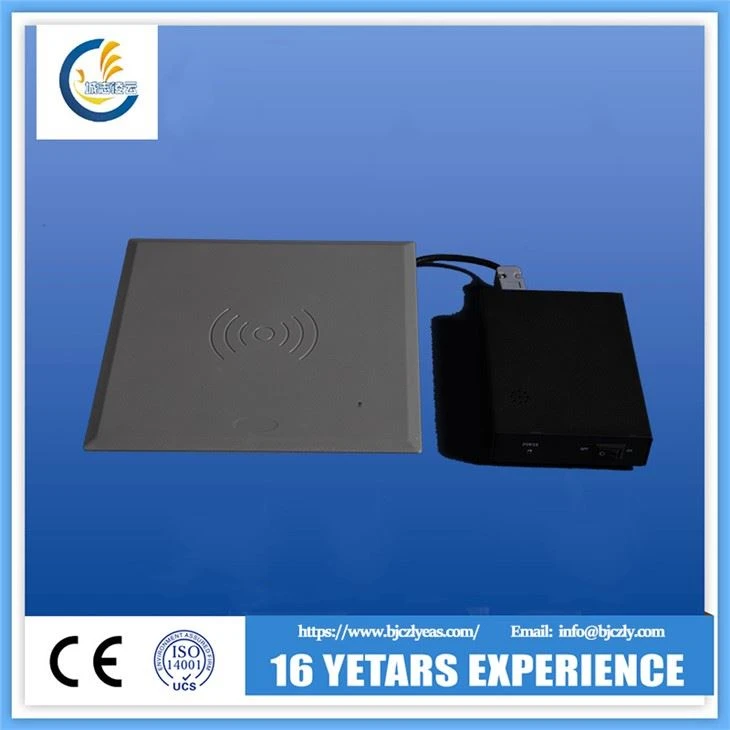

Some RF Deactivators, however, are designed to be more flexible and can target a broader range of frequencies. This is useful in situations where there might be different types of security tags or when the exact frequency of the tag is unknown. For example, in some high - end retail stores, they might use a mix of security tags from different manufacturers, each with slightly different frequency characteristics. A multi - frequency RF Deactivator can handle these situations with ease.
The EAS Split RF Label Deactivator is a great example of a device that offers some flexibility in frequency targeting. It's designed to work with a variety of RF security labels, and while its main focus is likely on the 8.2 MHz range, it can also adapt to some other frequencies within a small margin. This makes it a popular choice for retailers who want a single device that can handle different types of tags.
Another option is the EAS Label Deactivator Split Type. This type of deactivator is also engineered to work well with the standard 8.2 MHz frequency but has the advantage of a split - type design. This split design allows for easier insertion of tags, especially those attached to larger or oddly - shaped items. The frequency targeting remains accurate, ensuring that the tags are deactivated properly every time.
One of the challenges in frequency targeting for RF Deactivators is interference. In a busy retail environment, there are all sorts of electronic devices operating, and some of them can emit radio signals that interfere with the operation of the RF Deactivator. For example, Wi - Fi routers, Bluetooth devices, and even some types of lighting systems can produce electromagnetic interference. To overcome this, modern RF Deactivators are equipped with advanced filtering and shielding technologies. These features help to ensure that the device can accurately target the desired frequency, even in a noisy environment.
We also need to consider the regulations regarding the use of RF frequencies. Different countries and regions have their own rules about which frequencies can be used for commercial purposes. When designing and manufacturing RF Deactivators, we have to make sure that they comply with these regulations. This means that the frequency targeting is not only about performance but also about legality. So, rest assured that our RF Deactivators are designed and tested to meet all the necessary regulatory requirements.
In terms of the technology behind frequency targeting, RF Deactivators use a combination of analog and digital components. The analog part is responsible for generating the actual RF signal at the desired frequency. This signal is then amplified and transmitted through the deactivator's antenna. The digital part, on the other hand, is used for control and adjustment. It allows the deactivator to fine - tune the frequency, adjust the signal strength, and perform other functions to ensure optimal performance.
So, whether you're a small mom - and - pop store or a large - scale retail chain, having a reliable RF Deactivator with accurate frequency targeting is crucial. It helps to prevent false alarms, which can be annoying for customers, and it also ensures that legitimate sales can be processed smoothly.
If you're in the market for an RF Deactivator, we've got a wide range of products to suit your needs. Our deactivators are known for their high - quality construction, accurate frequency targeting, and excellent performance. Whether you need a single deactivator for a small store or a whole fleet for a large chain, we can provide you with the right solution.
If you're interested in learning more about our RF Deactivators or want to discuss your specific requirements for frequency targeting, don't hesitate to get in touch. We're always happy to have a chat and help you find the perfect device for your business.
Reference:
- Industry knowledge on RF EAS systems and frequency standards.
- Information about the technical components and operation of RF Deactivators from internal R&D records.