

Can an RF Deactivator be used in a desert?
As a supplier of RF deactivators, I often receive various inquiries from customers. One question that recently caught my attention was whether an RF deactivator can be used in a desert. This is an interesting and practical question, which not only involves the technical performance of the RF deactivator but also relates to the special environmental conditions of the desert. In this blog post, I will delve into this topic and provide a comprehensive analysis.
Understanding RF Deactivators
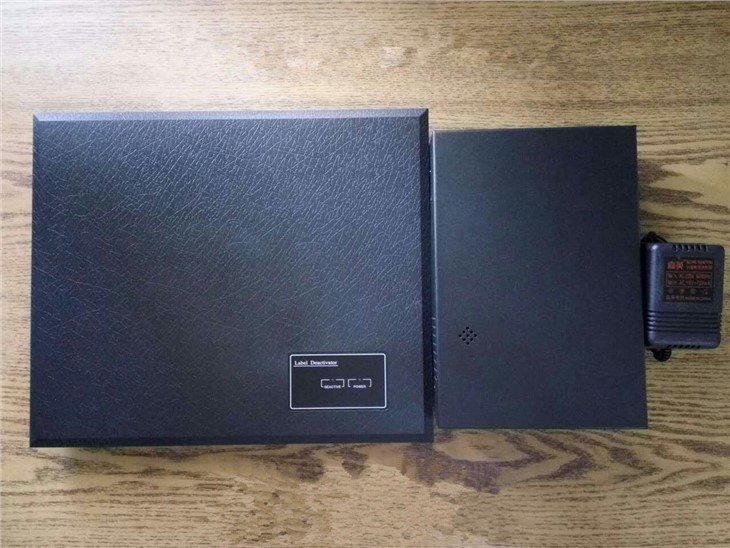
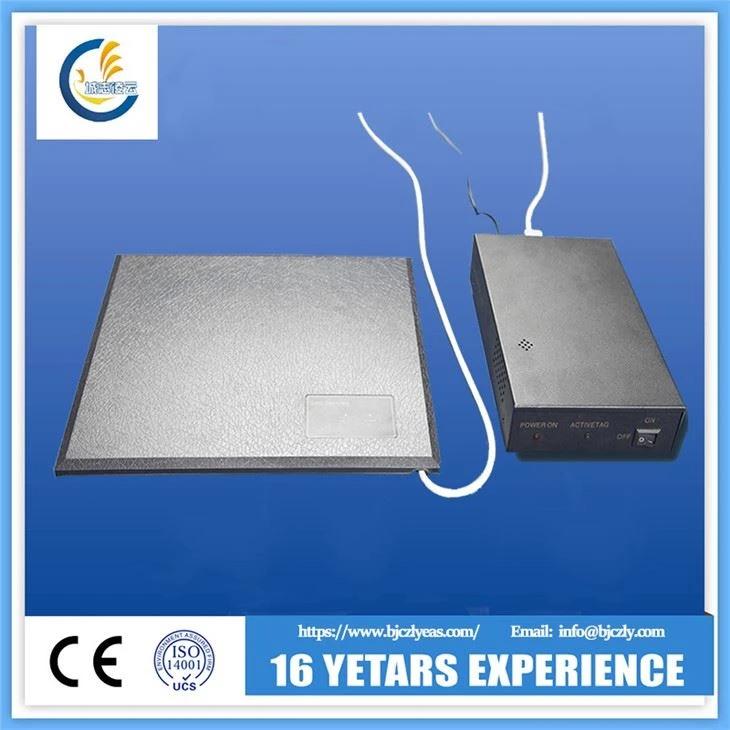
Before discussing the applicability of RF deactivators in the desert, it's essential to understand what an RF deactivator is and how it works. RF, or Radio Frequency, deactivators are devices used in Electronic Article Surveillance (EAS) systems. These systems are widely employed in retail stores, libraries, and other commercial establishments to prevent theft. The RF deactivator emits a specific radio - frequency signal that deactivates the RF tags attached to the products. Once the tag is deactivated, the product can pass through the EAS gates without triggering an alarm.
We offer a range of high - quality RF deactivators, such as the 8.2MJZ RF Label Deactivator All - in - one, the 8.2Mhz anti theft label early warning Deactivator, and the EAS Split RF Label Deactivator. These deactivators are designed with advanced technology to ensure efficient and reliable performance.
Challenges in the Desert Environment
The desert environment presents several challenges that could potentially affect the operation of an RF deactivator.
Temperature Extremes
Deserts are known for their extreme temperature variations. During the day, temperatures can soar well above 40°C (104°F), while at night, they can drop significantly, sometimes below freezing. High temperatures can cause electronic components in the RF deactivator to overheat, leading to reduced performance or even permanent damage. On the other hand, low temperatures can make the components brittle and affect their electrical conductivity.
Most RF deactivators are designed to operate within a specific temperature range. For example, typical consumer - grade electronic devices are designed to work between 0°C and 40°C (32°F - 104°F). If the temperature in the desert exceeds this range, the deactivator may malfunction.
Dust and Sand
Deserts are filled with dust and sand particles. These fine particles can easily enter the RF deactivator through ventilation holes or other openings. Once inside, the dust and sand can accumulate on the circuit boards and other components, causing short - circuits or interfering with the normal operation of the device. The abrasive nature of sand can also wear down the internal components over time, reducing the lifespan of the deactivator.
Low Humidity
The desert environment is characterized by extremely low humidity. Low humidity can lead to the build - up of static electricity. Static electricity can discharge suddenly and damage the sensitive electronic components in the RF deactivator. Moreover, the dry air can cause the plastic parts of the deactivator to become brittle and more prone to cracking.
Adaptability of RF Deactivators
Despite the challenges posed by the desert environment, modern RF deactivators can be designed to be more adaptable.
Temperature - Resistant Design
Some advanced RF deactivators are equipped with heat - resistant materials and efficient cooling systems. These features help the device to dissipate heat effectively, even in high - temperature environments. For example, heat sinks can be used to transfer heat away from the critical components, and fans can be installed to enhance air circulation. Additionally, the internal components can be selected to have a wider operating temperature range.
Dust - and Sand - Proof Enclosures
To protect against dust and sand, RF deactivators can be housed in sealed enclosures. These enclosures are designed to prevent the entry of dust and sand particles. They may be made of materials such as high - density plastics or metals with tight - fitting seals. Some enclosures also have filters on the ventilation holes to trap dust before it can enter the device.
Anti - Static Measures
To combat the problem of static electricity, RF deactivators can be designed with anti - static coatings on the external surfaces. Inside the device, electrostatic discharge (ESD) protection components can be installed to divert static charges safely to the ground, preventing damage to the sensitive electronic parts.
Potential Applications in the Desert
Although the primary use of RF deactivators is in commercial settings for theft prevention, there could be some potential applications in the desert.
Military and Security Operations
In military bases or security checkpoints in the desert, RF deactivators can be used to deactivate RF - tagged items for security screening purposes. For example, vehicles or equipment with RF tags can pass through checkpoints smoothly after the tags are deactivated.
Remote Research Stations
Remote research stations in the desert may also use RF - tagged equipment. An RF deactivator can be used to manage the movement of these tagged items within the station to ensure proper inventory control.
Conclusion
In conclusion, while using an RF deactivator in the desert is challenging due to the extreme temperature variations, dust and sand, and low humidity, it is not impossible. With proper design and adaptation, RF deactivators can be made to function effectively in the desert environment. Our company is committed to providing high - quality RF deactivators that can withstand harsh conditions.
If you are interested in our RF deactivators and would like to discuss your specific requirements, especially if you need a deactivator for a desert - like environment, please feel free to contact us. We are more than happy to provide you with detailed product information and work with you to find the best solution for your needs.
References
- Smith, J. (2018). Electronic Devices in Extreme Environments. Journal of Electronic Engineering, 25(3), 123 - 135.
- Brown, A. (2020). Design Considerations for RF Equipment in Harsh Conditions. RF Technology Review, 32(2), 45 - 56.
- Green, C. (2019). The Impact of Temperature and Humidity on Electronic Components. Electronic Component Journal, 18(4), 78 - 85.