

As a supplier of EM (Electromagnetic) Labels, I've often been asked whether these labels can be used in the medical field. This question isn't just relevant but also quite timely, considering the rapid advancements in medical technology and the increasing need for efficient and reliable identification and tracking systems. In this blog post, I'll explore the potential uses of EM Labels in the medical field, their advantages, challenges, and how they might fit into the broader medical ecosystem.
Understanding EM Labels
Before delving into their potential medical applications, it's essential to understand what EM Labels are. EM Labels are a type of security and identification device that operate based on electromagnetic principles. They are commonly used in Electronic Article Surveillance (EAS) systems to prevent theft in retail stores, libraries, and other commercial settings. These labels can be attached to various items, and when an unauthorized item passes through an EAS gate, the label triggers an alarm.
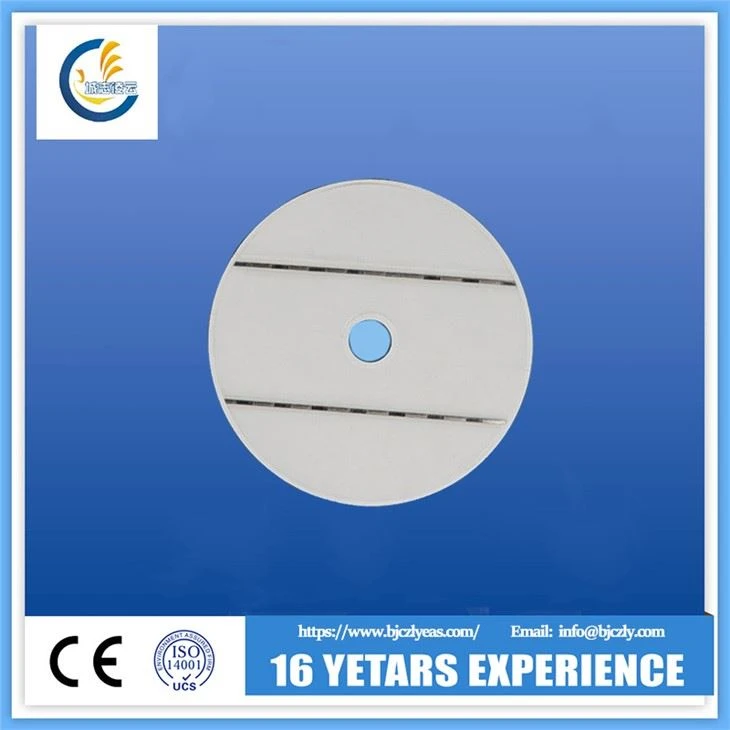
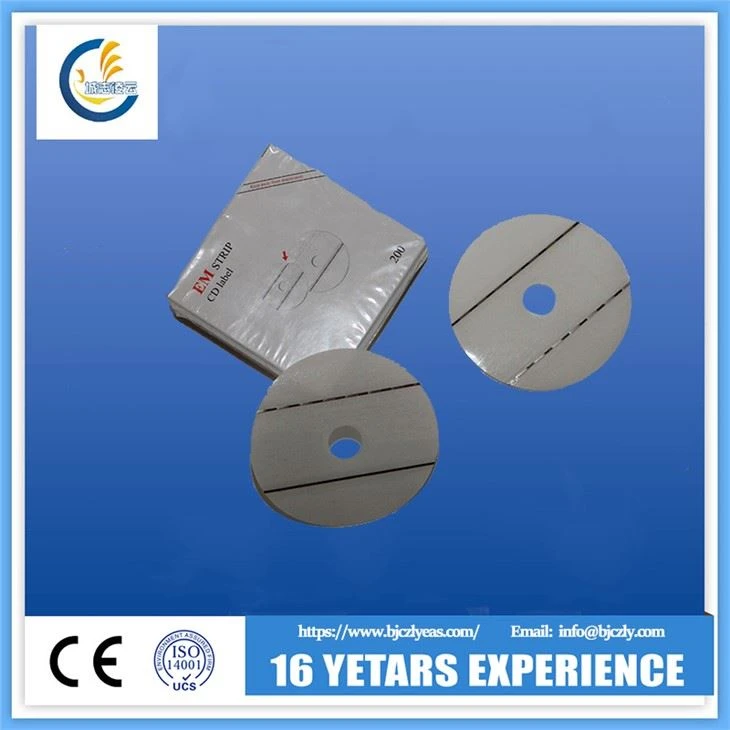
EM Labels come in different forms, including DVD/CD Label, High Quality Library Deactivate Security Strips, and VCD / Magnetic Tape. Each type is designed to meet specific needs and requirements, offering flexibility and versatility in different applications.
Potential Uses of EM Labels in the Medical Field
Patient Identification and Tracking
One of the most significant potential uses of EM Labels in the medical field is patient identification and tracking. In a busy hospital or healthcare facility, it's crucial to have an accurate and reliable system for identifying patients and keeping track of their movements. EM Labels can be attached to patient wristbands or medical records, allowing healthcare providers to quickly and easily access patient information.
For example, when a patient arrives at the hospital, an EM Label can be placed on their wristband. As the patient moves through different departments, such as the emergency room, radiology, and surgery, the label can be scanned at various checkpoints. This not only helps to ensure that the right patient receives the right treatment but also improves the overall efficiency of the healthcare system.
Medical Equipment Management
Another area where EM Labels can be beneficial is in medical equipment management. Hospitals and healthcare facilities have a large number of expensive and sensitive medical equipment, such as ventilators, monitors, and surgical instruments. Keeping track of these items is essential to ensure their proper use, maintenance, and availability.
EM Labels can be attached to medical equipment to track their location, usage, and maintenance history. For instance, when a piece of equipment is taken out of storage, the label can be scanned, and the information can be recorded in a database. This allows healthcare providers to quickly locate the equipment when needed and ensures that it is properly maintained and serviced.
Medication Management
Medication management is a critical aspect of healthcare, and errors in medication administration can have serious consequences for patients. EM Labels can be used to improve medication management by providing accurate and real-time information about medications.
For example, EM Labels can be attached to medication containers, such as pill bottles or IV bags. When a medication is dispensed, the label can be scanned to verify the medication, dosage, and patient information. This helps to prevent medication errors and ensures that patients receive the correct medications at the right time.
Advantages of Using EM Labels in the Medical Field
Accuracy and Reliability
One of the main advantages of using EM Labels in the medical field is their accuracy and reliability. Unlike traditional identification methods, such as barcodes or manual records, EM Labels can provide real-time and accurate information about patients, medical equipment, and medications. This helps to reduce errors and improve the overall quality of healthcare.
Efficiency and Productivity
EM Labels can also improve the efficiency and productivity of healthcare facilities. By automating the identification and tracking processes, healthcare providers can save time and resources, allowing them to focus on providing better care to patients. For example, instead of spending time searching for medical equipment or manually recording patient information, healthcare providers can use EM Labels to quickly and easily access the information they need.
Security and Safety
Another advantage of using EM Labels in the medical field is their security and safety features. EM Labels can be used to prevent theft and unauthorized access to medical equipment and medications. For instance, if a piece of equipment is removed from a restricted area without proper authorization, the label can trigger an alarm, alerting security personnel.
Challenges and Considerations
While EM Labels offer many potential benefits in the medical field, there are also some challenges and considerations that need to be addressed.
Compatibility and Integration
One of the main challenges is ensuring the compatibility and integration of EM Labels with existing healthcare systems and technologies. Healthcare facilities often have a complex and diverse range of systems, including electronic health records (EHRs), medical equipment management systems, and medication dispensing systems. Integrating EM Labels with these systems can be a complex and time-consuming process, requiring careful planning and coordination.
Cost
Another consideration is the cost of implementing EM Labels in the medical field. While the cost of EM Labels has decreased in recent years, there are still significant upfront costs associated with purchasing and installing the necessary equipment and software. Additionally, ongoing maintenance and support costs need to be considered.
Privacy and Security
Privacy and security are also important considerations when using EM Labels in the medical field. EM Labels contain sensitive patient information, and it's essential to ensure that this information is protected from unauthorized access and disclosure. Healthcare facilities need to implement appropriate security measures, such as encryption and access controls, to safeguard patient privacy.
Conclusion
In conclusion, EM Labels have the potential to revolutionize the medical field by providing accurate, reliable, and efficient identification and tracking solutions. From patient identification and tracking to medical equipment management and medication management, EM Labels can offer significant benefits to healthcare providers and patients alike.
However, it's important to address the challenges and considerations associated with using EM Labels in the medical field, such as compatibility, cost, and privacy and security. By carefully planning and implementing EM Label systems, healthcare facilities can reap the benefits of this technology while ensuring the safety and privacy of their patients.
If you're interested in learning more about how EM Labels can be used in your medical facility or would like to discuss potential purchasing options, please don't hesitate to contact me. I'd be happy to provide you with more information and answer any questions you may have.
References
- "Electronic Article Surveillance (EAS) Systems: A Comprehensive Guide." SecurityInfoWatch.com.
- "The Role of Technology in Healthcare: Improving Patient Safety and Quality of Care." HealthIT.gov.
- "Medical Equipment Management: Best Practices and Strategies." Healthcare Financial Management Association.