

In the bustling world of retail, security is a paramount concern for business owners. Every store, regardless of its size or the products it sells, faces the constant threat of theft. This is where Electronic Article Surveillance (EAS) systems come into play, offering a reliable solution to deter shoplifting and protect valuable merchandise. As a supplier of EAS RF (Radio Frequency) systems, I often get asked whether these systems can be effectively used in a stationery store. In this blog post, I will delve into the details and explore the feasibility and benefits of implementing an EAS RF system in a stationery retail environment.
Understanding EAS RF Systems
Before we discuss the suitability of EAS RF systems for stationery stores, let's first understand what these systems are. EAS RF systems are designed to detect the presence of small, electronically coded tags attached to merchandise. When a tagged item passes through an EAS antenna without being properly deactivated at the point of sale, an alarm is triggered, alerting store staff to a potential theft.
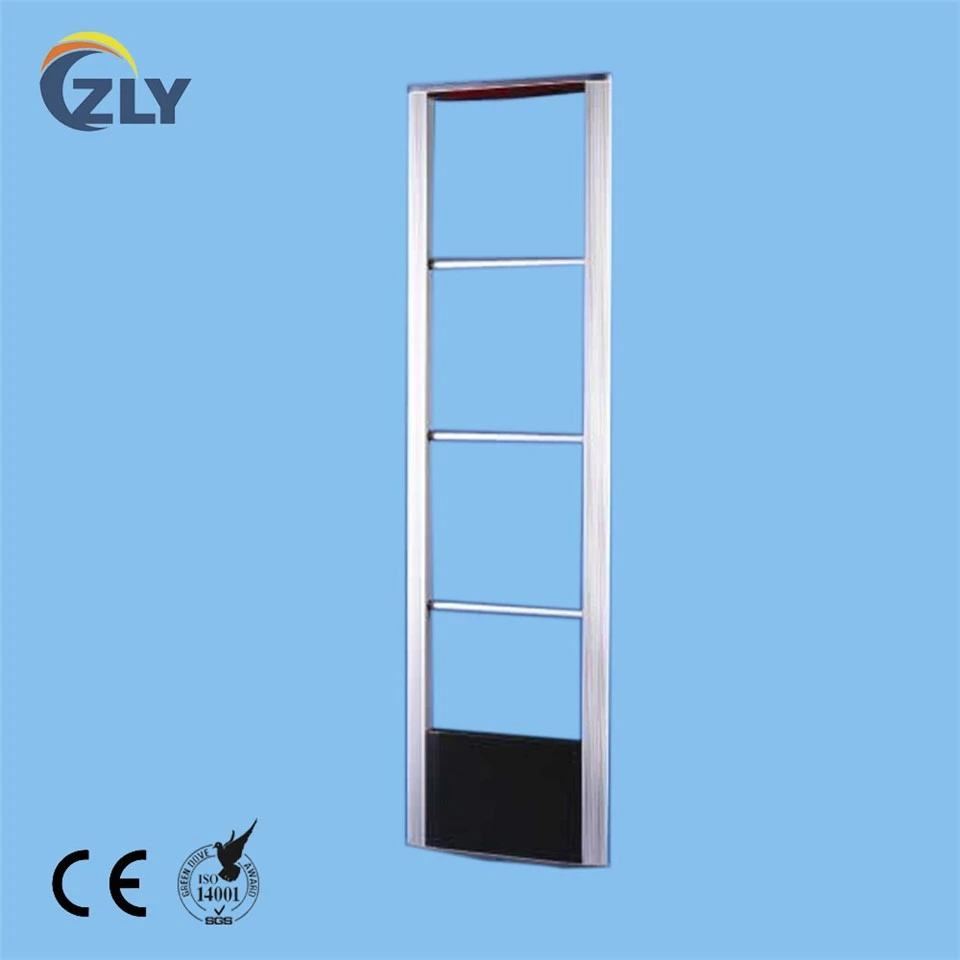
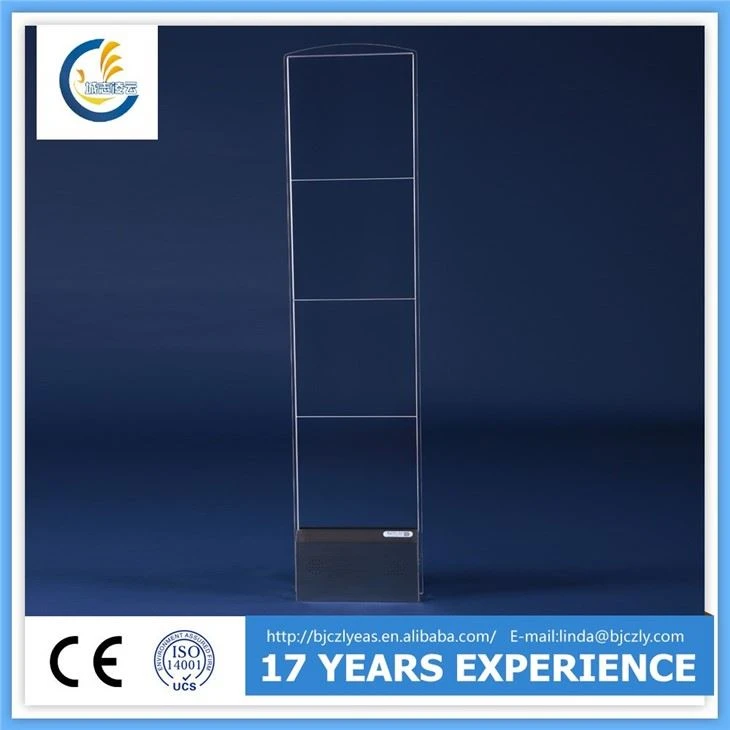
The RF technology operates at a specific frequency, typically around 8.2 MHz, which allows for reliable detection and minimal interference. There are different types of EAS RF antennas available, such as the RF 8.2MHZ Mono Security antenna and the RF Dual Security Antenna. The mono antenna is a single-sided unit, suitable for smaller store entrances or areas with limited space, while the dual antenna provides a wider detection field and is ideal for larger entrances. Additionally, there is the RF Acrylic Mono System, which combines functionality with an aesthetically pleasing design, making it a popular choice for modern retail environments.
The Stationery Store Environment
Stationery stores offer a wide range of products, from pens, pencils, and notebooks to art supplies, greeting cards, and office equipment. These items vary in size, shape, and value, which presents unique challenges when it comes to security. Smaller items like pens and erasers can easily be concealed, while larger items such as printers and scanners are more difficult to steal but still valuable targets for thieves.
In addition to the physical characteristics of the merchandise, the layout of a stationery store also plays a role in security. Many stationery stores have open shelving and display areas, allowing customers to browse and handle products freely. While this enhances the shopping experience, it also increases the risk of theft. Furthermore, stationery stores often experience high foot traffic, especially during peak shopping seasons, making it easier for thieves to blend in and go unnoticed.
Benefits of Using EAS RF Systems in a Stationery Store
Despite the challenges, there are several compelling reasons why an EAS RF system can be a valuable investment for a stationery store.
Deterrence
One of the primary benefits of an EAS RF system is its ability to deter theft. The visible presence of EAS antennas at the store entrance sends a clear message to potential thieves that the store is protected. Knowing that they are likely to be caught if they attempt to steal merchandise, most thieves will think twice before acting. This alone can significantly reduce the incidence of shoplifting in a stationery store.
Early Detection
In the event that a theft does occur, an EAS RF system provides early detection. When a tagged item passes through the antenna without being deactivated, the alarm immediately alerts store staff. This allows them to quickly respond and apprehend the thief before they can leave the store. Early detection not only helps to recover stolen merchandise but also minimizes the financial loss to the store.
Protection of High-Value Items
Stationery stores often carry a range of high-value items, such as expensive art supplies, designer notebooks, and high-end office equipment. These items are particularly vulnerable to theft and can have a significant impact on the store's bottom line if stolen. By tagging these high-value items with EAS tags, the store can ensure that they are protected and that any attempt to steal them will be detected.
Integration with Existing Systems
Many EAS RF systems can be easily integrated with existing point-of-sale (POS) systems. This allows for seamless deactivation of EAS tags at the time of purchase, ensuring that legitimate customers can leave the store without triggering the alarm. Integration with the POS system also provides valuable data and analytics, such as the number of alarms triggered and the time of day when thefts are most likely to occur. This information can be used to improve security measures and optimize store operations.
Considerations for Implementing an EAS RF System in a Stationery Store
While the benefits of an EAS RF system are clear, there are several considerations that stationery store owners should keep in mind when implementing such a system.
Tag Placement
Proper tag placement is crucial for the effective operation of an EAS RF system. Tags should be placed on the merchandise in a way that ensures they are not easily removed or concealed. For smaller items, such as pens and pencils, tags can be attached to the packaging or directly to the item. For larger items, tags can be placed in a discreet location on the product. It is also important to ensure that all high-value items are tagged to maximize protection.
Antenna Placement
The placement of EAS antennas is also important. Antennas should be installed at the store entrance in a way that provides optimal coverage. The distance between the antennas should be carefully calibrated to ensure that all tagged items passing through the entrance are detected. Additionally, the antennas should be positioned in a way that does not obstruct the flow of traffic or interfere with the customer experience.
Staff Training
Proper staff training is essential for the successful implementation of an EAS RF system. Store staff should be trained on how to use the system, including how to tag and deactivate merchandise, how to respond to alarms, and how to handle suspected thieves. Training should also include information on the importance of security and the role that each staff member plays in protecting the store's assets.
Maintenance and Support
Like any technology, an EAS RF system requires regular maintenance and support to ensure its proper operation. This includes checking the system for any malfunctions, replacing batteries in the tags, and updating the software as needed. It is important to choose a reliable EAS RF system supplier that offers comprehensive maintenance and support services to minimize downtime and ensure the long-term effectiveness of the system.
Conclusion
In conclusion, an EAS RF system can be a valuable asset for a stationery store. It provides an effective deterrent against theft, early detection of stolen merchandise, and protection of high-value items. By carefully considering the tag placement, antenna placement, staff training, and maintenance requirements, stationery store owners can ensure that their EAS RF system is implemented and operated effectively.
If you are a stationery store owner interested in learning more about how an EAS RF system can benefit your business, I encourage you to contact me. I would be happy to discuss your specific needs and provide you with a customized solution. Together, we can help you protect your merchandise, reduce theft, and improve the overall security of your store.
References
- Electronic Article Surveillance: A Guide to Protecting Your Retail Business. (n.d.). Retrieved from [No link provided]
- Retail Loss Prevention Best Practices. (n.d.). Retrieved from [No link provided]
- The Impact of EAS Systems on Retail Theft. (n.d.). Retrieved from [No link provided]