

Hey there! As a supplier of RF Dual System, I often get asked about how accurate the data transmission of this system is. So, I thought I'd take a deep - dive into this topic and share some insights with you all.
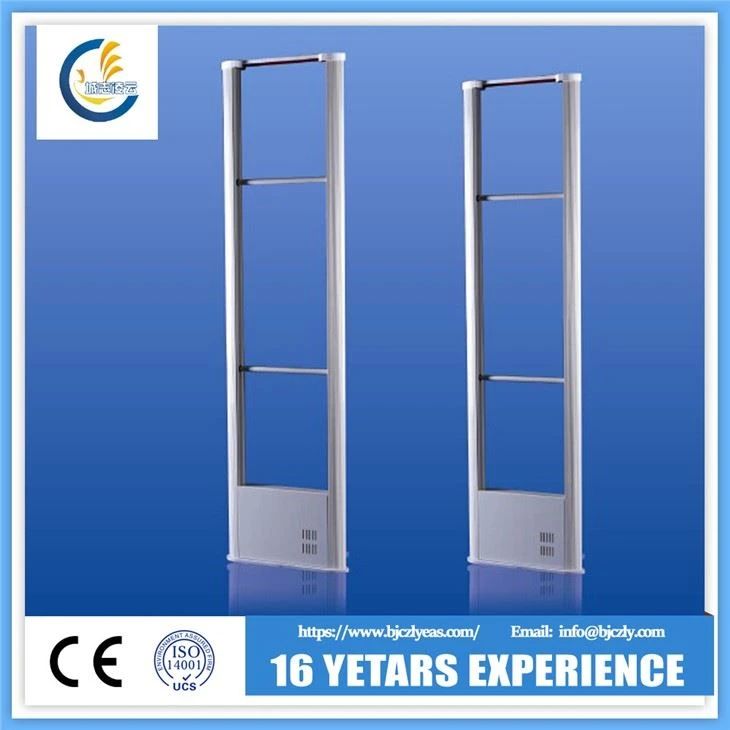
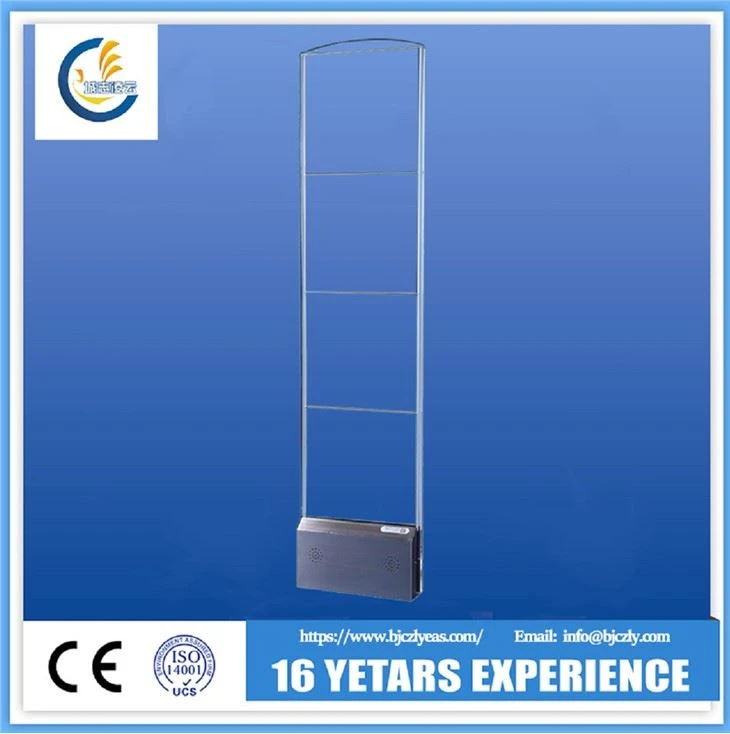
First off, let's understand what the RF Dual System is. The RF Dual System, or the EAS RF Dual Anti - theft System, is a popular choice in the electronic article surveillance (EAS) world. It's mainly used in retail stores, libraries, and other places to prevent theft. The system works by using radio - frequency technology to detect tags attached to items. When a tagged item passes through the detection area without proper authorization, an alarm goes off.
Now, onto the accuracy of data transmission. The data transmission in an RF Dual System refers to the process of sending and receiving signals between the main unit and the sensors or antennas. In a well - designed system, this data transmission should be highly accurate for the system to function effectively.
One of the primary factors that affect the accuracy of data transmission is the quality of the hardware components. For example, the RF Dual Security Antenna plays a crucial role. A high - quality antenna can transmit and receive signals clearly over a certain range. It is designed to pick up the radio frequencies emitted by the tags accurately. If the antenna is of poor quality, it may not be able to detect the tags reliably, leading to false alarms or missed detections.
Another important component is the RF Acrylic Sensor. These sensors are responsible for converting the radio - frequency signals into electrical signals that the main unit can process. A good sensor will have high sensitivity, which means it can detect even weak signals from the tags. This is especially important in large - scale retail environments where there might be a lot of interference.
Interference is a major headache when it comes to data transmission accuracy. Radio - frequency signals can be easily disrupted by other electronic devices, such as Wi - Fi routers, mobile phones, and even fluorescent lights. To combat this, modern RF Dual Systems are equipped with advanced signal - filtering technology. This technology can distinguish between the signals from the tags and the background noise, ensuring that only relevant data is transmitted.
However, despite these technological advancements, achieving 100% accuracy in data transmission is nearly impossible. There are always going to be some external factors that can affect the system, like the layout of the store. If the store has a lot of metal fixtures or large obstacles, the radio - frequency signals may get blocked or reflected in unexpected ways, leading to inaccurate data transmission.
To improve the accuracy of the data transmission, proper installation and calibration of the system are essential. During installation, it's important to place the antennas and sensors at the right locations. They should be positioned in a way that maximizes the detection area while minimizing interference. Calibration is also crucial. The system needs to be calibrated regularly to adjust for changes in the environment, such as new equipment being installed or changes in the inventory.
In real - world scenarios, the accuracy of the RF Dual System's data transmission can vary depending on the specific application. In a small, well - organized retail store with minimal interference, the system can achieve a very high level of accuracy, perhaps upwards of 95%. But in a large, busy department store with a complex layout and a lot of electronic devices, the accuracy might drop to around 90%.
It's also important to note that continuous research and development are taking place in this field. Manufacturers are constantly working on improving the technology to increase the accuracy of data transmission. For example, new algorithms are being developed to better filter out interference and improve signal processing.
So, if you're in the market for an EAS system and you're considering an RF Dual System, you should weigh the pros and cons. While the data transmission may not be 100% accurate, the technology has come a long way, and in many cases, it can provide a reliable solution for theft prevention.
If you're interested in learning more about our RF Dual Systems or are thinking about making a purchase, we'd be more than happy to have a chat with you. We can discuss your specific needs, provide a customized solution, and give you a better idea of how the system will perform in your environment. Don't hesitate to reach out to us for a detailed discussion and to start a potential procurement process.
References:
- Industry reports on electronic article surveillance systems
- Research papers on radio - frequency technology and data transmission in security systems
- Product manuals of RF Dual System components.