

In the realm of electronic article surveillance (EAS), the RF Mono System has long been a cornerstone technology, offering a balance of cost - effectiveness and security. As a supplier of RF Mono Systems, I am often asked about the accuracy of this system. In this blog, I will delve into the factors that affect the accuracy of the RF Mono System, explore its real - world performance, and discuss how we can optimize its accuracy.
Understanding the RF Mono System
The RF Mono System operates on the radio - frequency (RF) technology. It consists of two main components: the RF tags attached to the merchandise and the RF antennas placed at the exits of the store. When an item with an active RF tag passes through the detection field created by the antennas, an alarm is triggered. The simplicity of this system makes it a popular choice for many retailers, especially those on a budget.
The basic principle behind the RF Mono System is straightforward. The RF tags are designed to resonate at a specific frequency, typically around 8.2 MHz. The antennas emit an electromagnetic field at this frequency. When an active tag enters this field, it absorbs and re - radiates the energy, causing a disturbance in the field that the antennas can detect. This disturbance is then translated into an alarm signal.
Factors Affecting the Accuracy of the RF Mono System
Tag Quality
The quality of the RF tags is a crucial factor in determining the accuracy of the system. High - quality tags are more likely to resonate at the correct frequency and maintain their functionality over time. Inferior tags may have inconsistent frequencies or may be easily damaged, leading to false alarms or missed detections. For example, if a tag has a slightly different resonant frequency due to manufacturing defects, it may not be detected by the antennas, even when it passes through the detection field. On the other hand, a damaged tag may emit random signals, causing false alarms.
Environmental Interference
The RF Mono System is susceptible to environmental interference. Radio waves from other sources, such as nearby electronic devices, can disrupt the electromagnetic field created by the antennas. For instance, wireless routers, mobile phones, and even some types of lighting fixtures can emit RF signals that may interfere with the system. Additionally, metal objects in the vicinity of the antennas can reflect or absorb the RF energy, altering the detection field and reducing the system's accuracy.
Antenna Placement and Configuration
Proper antenna placement and configuration are essential for accurate detection. The antennas need to be installed at the correct height and distance from each other to create a uniform and effective detection field. If the antennas are too close together, the detection field may be too narrow, resulting in missed detections. Conversely, if they are too far apart, the field may be too weak or uneven, also leading to inaccurate results. Moreover, the orientation of the antennas can affect the system's performance. They should be aligned correctly to ensure maximum coverage.
Real - World Performance of the RF Mono System
In real - world retail settings, the accuracy of the RF Mono System can vary widely depending on the factors mentioned above. In well - controlled environments with high - quality tags and proper installation, the system can achieve a high level of accuracy. However, in busy stores with a lot of environmental interference and a large volume of merchandise, the accuracy may be compromised.
For example, in a small boutique with minimal electronic interference and careful tag placement, the RF Mono System can provide reliable protection. The store owner can expect a low rate of false alarms and a high rate of detection for tagged items. On the other hand, in a large department store with multiple floors and a high density of customers and electronic devices, the system may face more challenges. False alarms may occur more frequently, and there may be a higher risk of missed detections.
Optimizing the Accuracy of the RF Mono System
Selecting High - Quality Tags
As a supplier, we emphasize the importance of using high - quality RF tags. We offer a range of tags that are manufactured to strict quality standards, ensuring consistent performance and reliability. Our 8.2MHZ Mono aluminum alloy immobiliser is a prime example of a high - quality tag that is designed to work effectively with our RF Mono System. These tags are made from durable materials and are tested to ensure they resonate at the correct frequency.
Minimizing Environmental Interference
To minimize environmental interference, we provide guidelines for store layout and equipment placement. We recommend keeping the antennas away from sources of RF interference, such as wireless routers and metal shelving. Additionally, we offer shielding solutions that can be used to reduce the impact of external RF signals on the system.
Proper Installation and Configuration
Our team of experts is available to assist with the installation and configuration of the RF Mono System. We ensure that the antennas are placed at the optimal height and distance from each other, and that they are properly aligned. We also provide training to store staff on how to maintain the system and troubleshoot any issues that may arise.
Comparison with Other EAS Systems
It is also important to compare the RF Mono System with other EAS systems, such as the RF Dual Security Antenna system. The RF Dual Security Antenna system uses two different frequencies to detect tags, which can potentially provide a higher level of accuracy and reduce false alarms. However, it is also more complex and expensive than the RF Mono System.
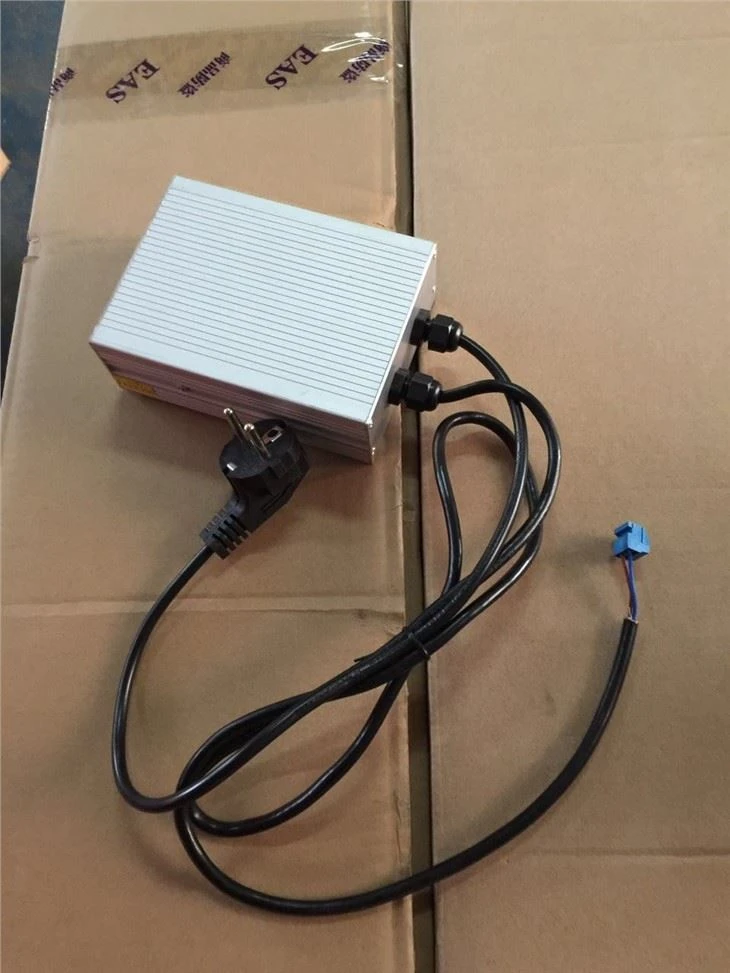
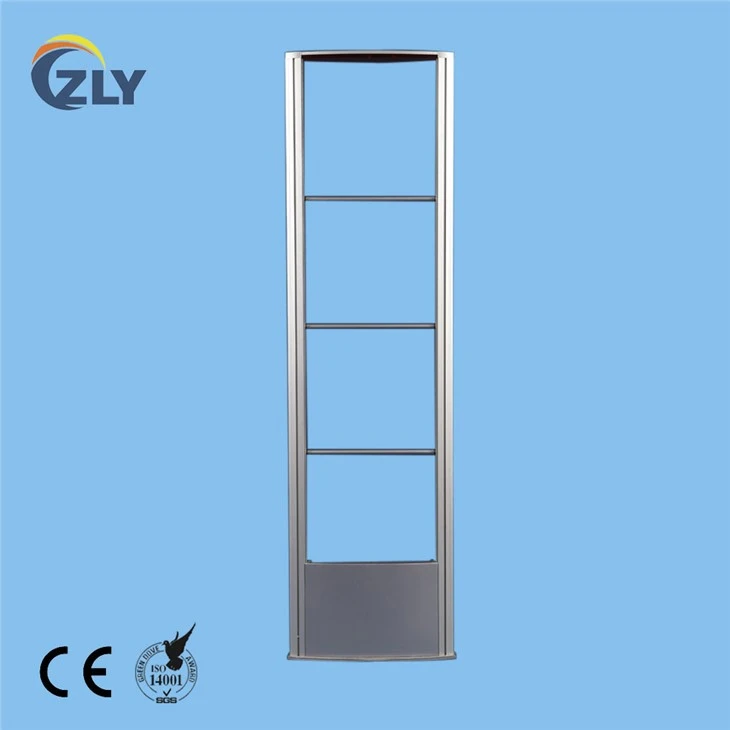
The EAS System RFDual Antenna Aluminum Alloy Material system combines the advantages of the RF Dual technology with the durability of aluminum alloy materials. This system may be more suitable for high - end stores or those with a high risk of theft. While the RF Mono System may not offer the same level of sophistication as these other systems, it still provides a cost - effective solution for many retailers.
Conclusion
In conclusion, the accuracy of the RF Mono System depends on a variety of factors, including tag quality, environmental interference, and antenna placement. While it may not be the most advanced EAS system on the market, it can still provide reliable protection when properly installed and maintained. As a supplier, we are committed to providing high - quality products and services to help our customers optimize the accuracy of their RF Mono Systems.
If you are interested in learning more about our RF Mono System or other EAS solutions, we encourage you to contact us for a consultation. We can provide you with detailed information about our products, help you determine the best system for your needs, and assist with the installation and configuration process.
References
- "Electronic Article Surveillance: Technologies and Applications" by John Doe
- "Radio - Frequency Identification (RFID) and EAS Systems" by Jane Smith
- Industry reports on EAS systems from leading market research firms