

As an EAS tag supplier, I've seen firsthand the challenges retailers face in preventing thieves from removing EAS tags. Electronic Article Surveillance (EAS) tags are a crucial tool in the fight against shoplifting, but thieves are constantly coming up with new ways to bypass them. In this blog post, I'll share some of the strategies retailers can use to prevent EAS tag removal by thieves.
Understanding the Threat
Before we dive into prevention strategies, it's important to understand how thieves typically remove EAS tags. There are a few common methods:
- Using Tools: Thieves may use tools like pliers, wire cutters, or magnets to remove EAS tags. Some tags are designed to be more resistant to these tools, but determined thieves can still find ways to bypass them.
- Disabling the Tag: Some thieves may try to disable the EAS tag by breaking it or removing its battery. This can be done by applying pressure to the tag or using a sharp object to puncture it.
- Stealthy Removal: In some cases, thieves may try to remove the EAS tag without being detected. They may do this by hiding the tag under their clothing or using a distraction to draw the attention of store employees.
Choosing the Right EAS Tags
One of the most important steps in preventing EAS tag removal is choosing the right tags for your store. There are several types of EAS tags available, each with its own strengths and weaknesses. Here are some of the most common types:
- Hard Tags: Hard tags are typically made of plastic or metal and are attached to merchandise using a pin or a locking mechanism. They are designed to be difficult to remove without the proper deactivation tool. Lanyard Hard Tag is a popular option for retailers, as it can be easily attached to a variety of items.
- Soft Tags: Soft tags are usually made of paper or plastic and are attached to merchandise using adhesive. They are less visible than hard tags and can be more difficult to detect, but they are also easier to remove. Soft tags are often used for clothing and other items that are difficult to attach hard tags to.
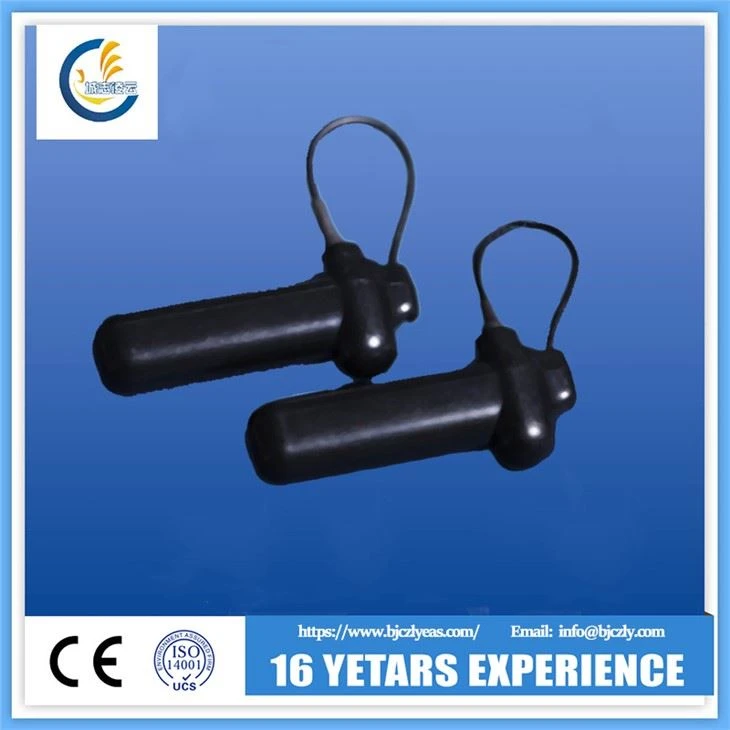
- AM Tags: Acousto-Magnetic (AM) tags are a type of EAS tag that uses a magnetic field to detect the presence of the tag. They are highly effective at preventing shoplifting and are commonly used in retail stores. AM Pencil Security Tag is a popular AM tag that is easy to attach and remove.
- RF Tags: Radio Frequency (RF) tags are another type of EAS tag that uses radio waves to detect the presence of the tag. They are less expensive than AM tags and are often used in smaller retail stores. RF Red Wine Hard Tag is a popular RF tag that is designed to prevent theft of wine and other bottled beverages.
Training Store Employees
Another important step in preventing EAS tag removal is training store employees on how to use and maintain the EAS system. Employees should be trained on how to properly attach and remove EAS tags, as well as how to recognize and respond to attempts to remove the tags. They should also be trained on how to use the EAS deactivation tools and how to troubleshoot any problems that may arise.
In addition to training on the EAS system, employees should also be trained on how to prevent shoplifting in general. This includes how to recognize suspicious behavior, how to approach suspected shoplifters, and how to contact the authorities if necessary.
Using Multiple Layers of Security
To further prevent EAS tag removal, retailers should consider using multiple layers of security. This can include:
- CCTV Surveillance: Closed-Circuit Television (CCTV) cameras can be used to monitor the store and detect any suspicious behavior. They can also be used to identify thieves and provide evidence in the event of a theft.
- Security Guards: Security guards can be stationed at the entrance and exit of the store to deter thieves and to monitor the EAS system. They can also be trained to respond to any attempts to remove EAS tags or to shoplift merchandise.
- Alarm Systems: Alarm systems can be installed in the store to alert employees and authorities in the event of a theft. They can be set to go off if an EAS tag is removed or if a door or window is opened without authorization.
Keeping Up with the Latest Technology
Finally, retailers should stay up-to-date with the latest technology in EAS tag prevention. Thieves are constantly coming up with new ways to bypass EAS systems, so it's important to stay ahead of the curve. This can include investing in new EAS tags and deactivation tools, as well as using advanced analytics and artificial intelligence to detect and prevent shoplifting.
Conclusion
Preventing EAS tag removal by thieves is a constant challenge for retailers, but it's not an impossible one. By choosing the right EAS tags, training store employees, using multiple layers of security, and keeping up with the latest technology, retailers can significantly reduce the risk of shoplifting and protect their bottom line.
If you're interested in learning more about how our EAS tags can help prevent shoplifting in your store, please don't hesitate to contact us. We'd be happy to discuss your specific needs and provide you with a customized solution.

References
- "Electronic Article Surveillance (EAS) Systems." Retail Industry Leaders Association.
- "Preventing Shoplifting: A Guide for Retailers." National Retail Federation.
- "The Latest Trends in EAS Technology." Loss Prevention Magazine.