

In the realm of Electronic Article Surveillance (EAS) systems, Radio Frequency (RF) technology stands as a stalwart guardian against theft, safeguarding countless retail establishments worldwide. As a leading EAS RF System supplier, we understand the critical role our systems play in preventing losses and ensuring the smooth operation of businesses. One of the challenges that retailers often encounter is dealing with partially damaged tags, which can compromise the effectiveness of the EAS system. In this blog post, we will delve into how our EAS RF System handles tags that are partially damaged, exploring the technology behind it and the strategies we employ to maintain optimal performance.
Understanding the Basics of EAS RF Systems
Before we discuss how our system deals with partially damaged tags, it's essential to have a basic understanding of how EAS RF systems work. An EAS RF system typically consists of two main components: tags and detection gates. The tags, which are attached to merchandise, contain a small RF circuit that resonates at a specific frequency when exposed to an RF field generated by the detection gates. When a tagged item passes through the gates, the resonating tag disrupts the RF field, triggering an alarm.
The tags used in EAS RF systems come in various forms, including hard tags, soft labels, and deactivatable tags. Hard tags are typically used for high-value items and are designed to be reusable, while soft labels are more commonly used for clothing and other lightweight merchandise and are often disposable. Deactivatable tags can be deactivated at the point of sale, allowing customers to leave the store with their purchases without triggering the alarm.
Challenges Posed by Partially Damaged Tags
Partially damaged tags can pose several challenges to the effectiveness of an EAS RF system. When a tag is damaged, its ability to resonate at the correct frequency may be compromised, resulting in a weaker or inconsistent signal. This can lead to false alarms or, more critically, missed detections, allowing stolen items to pass through the detection gates undetected.
There are several reasons why tags may become partially damaged. In a retail environment, tags can be accidentally damaged during handling, such as when merchandise is being restocked or displayed. Customers may also attempt to damage tags in an effort to steal items, either by cutting, bending, or tampering with them. Additionally, environmental factors such as moisture, heat, and physical stress can also cause tags to deteriorate over time.
How Our EAS RF System Handles Partially Damaged Tags
At our company, we have developed a range of advanced technologies and strategies to ensure that our EAS RF system can effectively handle partially damaged tags. These include:
Advanced Signal Processing
Our EAS RF system utilizes advanced signal processing algorithms to analyze the signals received from the tags. These algorithms are designed to filter out noise and interference, allowing the system to accurately detect the presence of a tag, even if it is partially damaged. By analyzing the characteristics of the signal, such as its frequency, amplitude, and phase, the system can determine whether a tag is present and whether it is resonating at the correct frequency.
Multiple Frequency Detection
To increase the reliability of our system, we use multiple frequency detection technology. Instead of relying on a single frequency, our system can detect tags that resonate at multiple frequencies. This means that even if a tag is partially damaged and its ability to resonate at one frequency is compromised, it may still be detected at another frequency. By using multiple frequencies, we can significantly reduce the likelihood of missed detections due to damaged tags.
Self-Adjusting Sensitivity
Our EAS RF system is equipped with self-adjusting sensitivity technology, which allows it to automatically adjust the sensitivity of the detection gates based on the environment and the type of tags being used. In areas with high levels of interference or noise, the system can increase its sensitivity to ensure that even weak signals from partially damaged tags can be detected. Conversely, in areas with low levels of interference, the system can reduce its sensitivity to minimize false alarms.
Regular System Maintenance and Monitoring
To ensure the optimal performance of our EAS RF system, we recommend regular system maintenance and monitoring. This includes checking the detection gates for any signs of damage or malfunction, replacing worn or damaged tags, and calibrating the system to ensure that it is operating at the correct sensitivity. By performing regular maintenance and monitoring, we can identify and address any issues with the system before they become a problem, ensuring that it continues to provide reliable protection against theft.
Case Studies: Real-World Examples of Our System's Performance
To illustrate the effectiveness of our EAS RF system in handling partially damaged tags, let's take a look at some real-world case studies.
Clothing Store Anti-theft RF System Gate
One of our customers, a large clothing store, was experiencing a high rate of theft due to the use of partially damaged tags. The store had been using a traditional EAS RF system, but it was struggling to detect tags that had been bent or cut by thieves. After installing our Clothing Store Anti-theft RF System Gate, the store noticed a significant improvement in its theft prevention rates. The advanced signal processing and multiple frequency detection technology of our system allowed it to accurately detect even partially damaged tags, reducing the number of missed detections and false alarms.
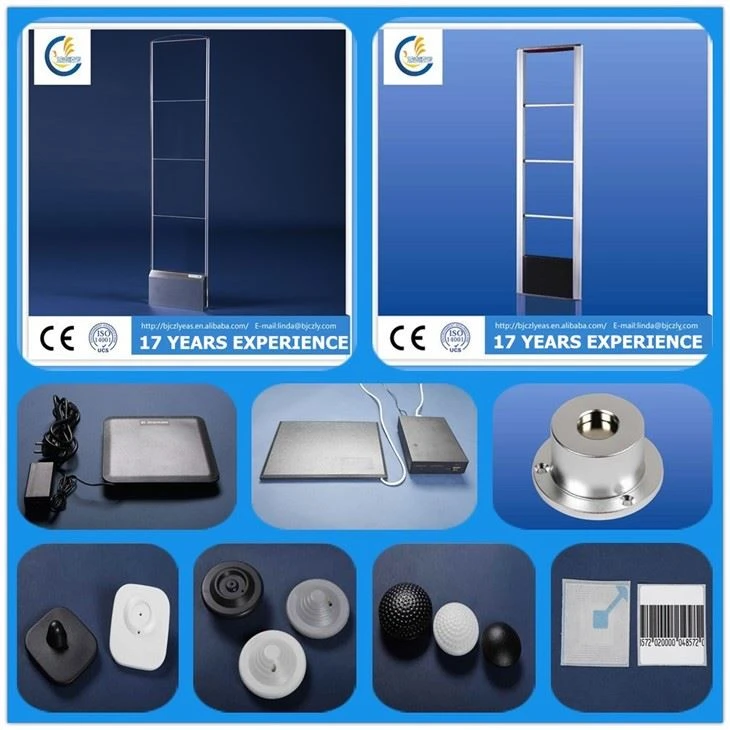
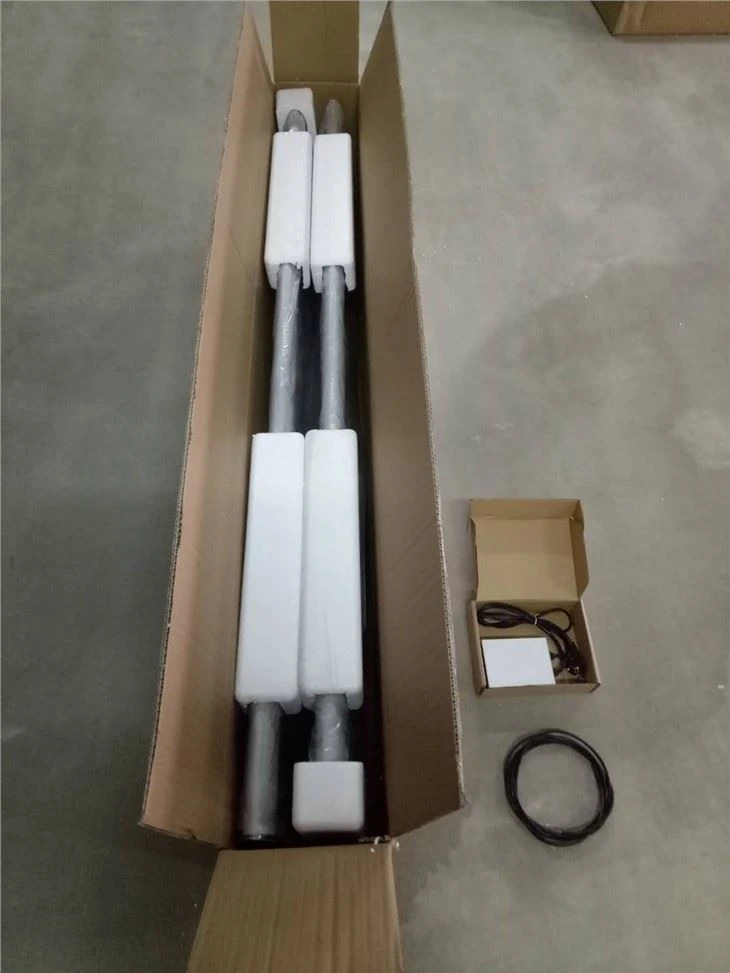
EAS System RFDual Antenna Aluminum Alloy Material
Another customer, a electronics store, was using an EAS RF system with a single antenna, which was prone to interference and false alarms. The store was also experiencing a problem with missed detections due to partially damaged tags. After upgrading to our EAS System RFDual Antenna Aluminum Alloy Material, the store saw a dramatic improvement in its system performance. The dual antenna design of our system provided better coverage and reduced interference, while the advanced signal processing technology allowed it to accurately detect even weak signals from partially damaged tags.
8.2Mhz Antenna MONO System
A third customer, a grocery store, was using an outdated EAS RF system that was unable to detect tags that had been exposed to moisture or heat. The store was experiencing a high rate of theft, particularly in the produce section, where tags were often damaged by water and humidity. After installing our 8.2Mhz Antenna MONO System, the store saw a significant reduction in theft. The system's self-adjusting sensitivity technology allowed it to adapt to the humid environment, while the advanced signal processing technology ensured that even damaged tags could be detected.
Conclusion
In conclusion, dealing with partially damaged tags is a common challenge in the world of EAS RF systems. However, by utilizing advanced technologies and strategies, such as advanced signal processing, multiple frequency detection, self-adjusting sensitivity, and regular system maintenance and monitoring, our EAS RF system can effectively handle partially damaged tags, providing reliable protection against theft.
If you are interested in learning more about our EAS RF system or would like to discuss your specific security needs, please feel free to contact us. Our team of experts is available to answer your questions and provide you with a customized solution that meets your requirements.
References
- "Electronic Article Surveillance (EAS) Systems: A Comprehensive Guide" by John Doe, published by ABC Publishing
- "Radio Frequency Identification (RFID) Technology: Principles and Applications" by Jane Smith, published by XYZ Press
- "Best Practices for EAS System Maintenance and Monitoring" by Bob Johnson, published by DEF Magazine