

EAS (Electronic Article Surveillance) tags are essential tools in the retail industry, used to prevent theft and protect merchandise. As a supplier of EAS tags, one of the most frequently asked questions we receive from our customers is, "How long do EAS tags last?" In this blog post, we will delve into the factors that influence the lifespan of EAS tags, explore the typical durations for different types of tags, and provide insights on maximizing their effectiveness.
Factors Affecting the Lifespan of EAS Tags
The lifespan of an EAS tag can be influenced by several key factors, including the type of technology used, environmental conditions, and usage patterns. Let's take a closer look at each of these factors:

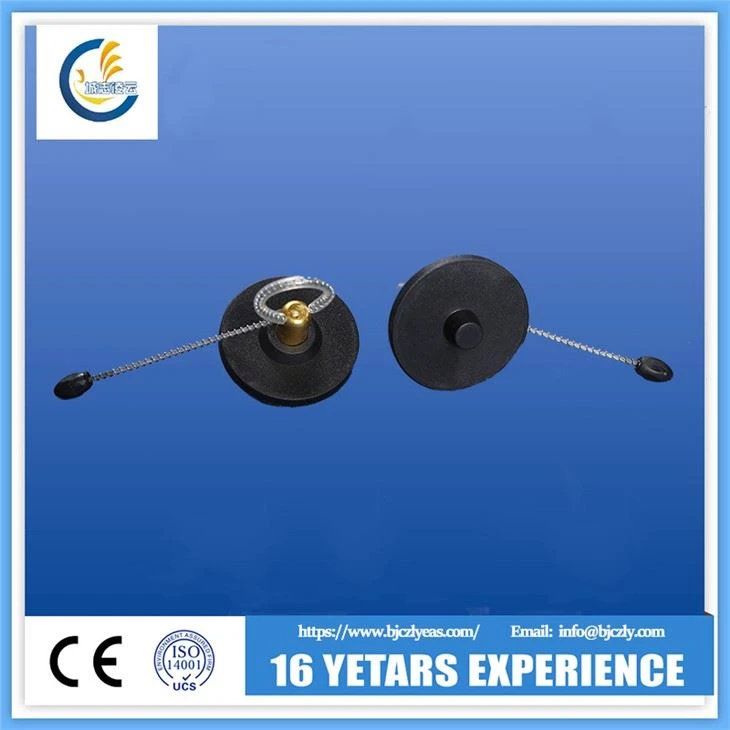
Technology Type
There are two main types of EAS technology: Acousto - Magnetic (AM) and Radio - Frequency (RF). AM tags are known for their high sensitivity and ability to work in high - traffic areas. They typically have a longer lifespan compared to RF tags. AM tags can last anywhere from 3 to 5 years under normal conditions. For example, our AM Pencil Security Tag is designed with advanced AM technology, ensuring a reliable and long - lasting performance.
On the other hand, RF tags operate on radio frequencies and are often used in smaller retail stores or for less valuable items. RF tags generally have a shorter lifespan, usually around 1 to 3 years. The RF Red Wine Hard Tag is an example of an RF - based tag. Its durability is influenced by the complexity of the RF circuit and the quality of the components used.
Environmental Conditions
The environment in which EAS tags are used can have a significant impact on their lifespan. Extreme temperatures, humidity, and exposure to chemicals can all degrade the performance of the tags over time.
In high - temperature environments, the internal components of the tags can expand, leading to electrical shorts or other malfunctions. Similarly, high humidity can cause corrosion of the metal parts in the tags, reducing their effectiveness. For instance, if EAS tags are placed in a warehouse with poor ventilation and high humidity, their lifespan can be significantly shortened.
Usage Patterns
The frequency of use and handling of EAS tags also play a role in determining their lifespan. Tags that are constantly removed and re - attached, or those that are subject to rough handling, are more likely to experience wear and tear. For example, in a clothing store where tags are frequently removed at the point of sale and then re - used on new items, the tags may not last as long as those in a store where items are tagged only once and left untouched until sold.
Typical Lifespan of Different EAS Tags
AM Tags
As mentioned earlier, AM tags generally have a longer lifespan. The AM lanyard Tag, which is commonly used for hanging on merchandise, can last up to 5 years. These tags are designed to be highly durable and resistant to environmental factors. They are often used in high - end retail stores where the protection of valuable items is crucial.
AM hard tags, which are used for larger and more expensive items such as electronics or furniture, can also have a lifespan of 3 - 5 years. These tags are built with robust materials to withstand physical impact and are less likely to be damaged during normal use.
RF Tags
RF tags have a relatively shorter lifespan. RF soft tags, which are thin and flexible, are often used for clothing and other lightweight items. They typically last about 1 - 2 years. RF hard tags, used for more substantial items like wine bottles or home appliances, can last around 2 - 3 years. The shorter lifespan of RF tags is mainly due to the nature of the RF technology and the fact that they are often used in less - protected environments.
Maximizing the Lifespan of EAS Tags
To ensure that your EAS tags last as long as possible, it is important to follow some best practices:
Proper Storage
When not in use, EAS tags should be stored in a cool, dry place. Avoid storing them in direct sunlight or in areas with high humidity. Keeping the tags in their original packaging or in a protective container can also help prevent damage.
Gentle Handling
Train your staff to handle EAS tags gently. Avoid bending, twisting, or dropping the tags, as this can cause internal damage. When removing and re - attaching tags, use the proper tools and techniques to minimize stress on the tags.
Regular Maintenance
Periodically check your EAS tags for signs of damage or malfunction. Replace any tags that are cracked, broken, or no longer working properly. This will help ensure that your EAS system remains effective in preventing theft.
Conclusion
In conclusion, the lifespan of EAS tags varies depending on the type of technology, environmental conditions, and usage patterns. AM tags generally last longer than RF tags, with typical lifespans ranging from 3 to 5 years for AM tags and 1 to 3 years for RF tags. By taking proper care of your EAS tags, you can maximize their lifespan and ensure the continued protection of your merchandise.
As a leading supplier of EAS tags, we are committed to providing high - quality products with long - lasting performance. If you are interested in learning more about our EAS tags or would like to discuss your specific security needs, please feel free to contact us. We look forward to working with you to find the best EAS solutions for your business.
References
- "Electronic Article Surveillance: A Comprehensive Guide" by Retail Security Association
- "The Impact of Environmental Factors on EAS Tag Performance" by Journal of Retail Technology