

In today's dynamic retail and industrial landscapes, Anti-Magnetic (AM) tags have emerged as a cornerstone for ensuring security and enhancing operational efficiency across a wide array of applications. As a leading AM tag supplier, I've witnessed firsthand the transformative impact these tags can have when configured correctly for specific use - cases. This blog aims to provide a comprehensive guide on how to configure an AM tag for various applications, sharing insights and best practices based on our extensive experience in the field.

Understanding the Basics of AM Tags
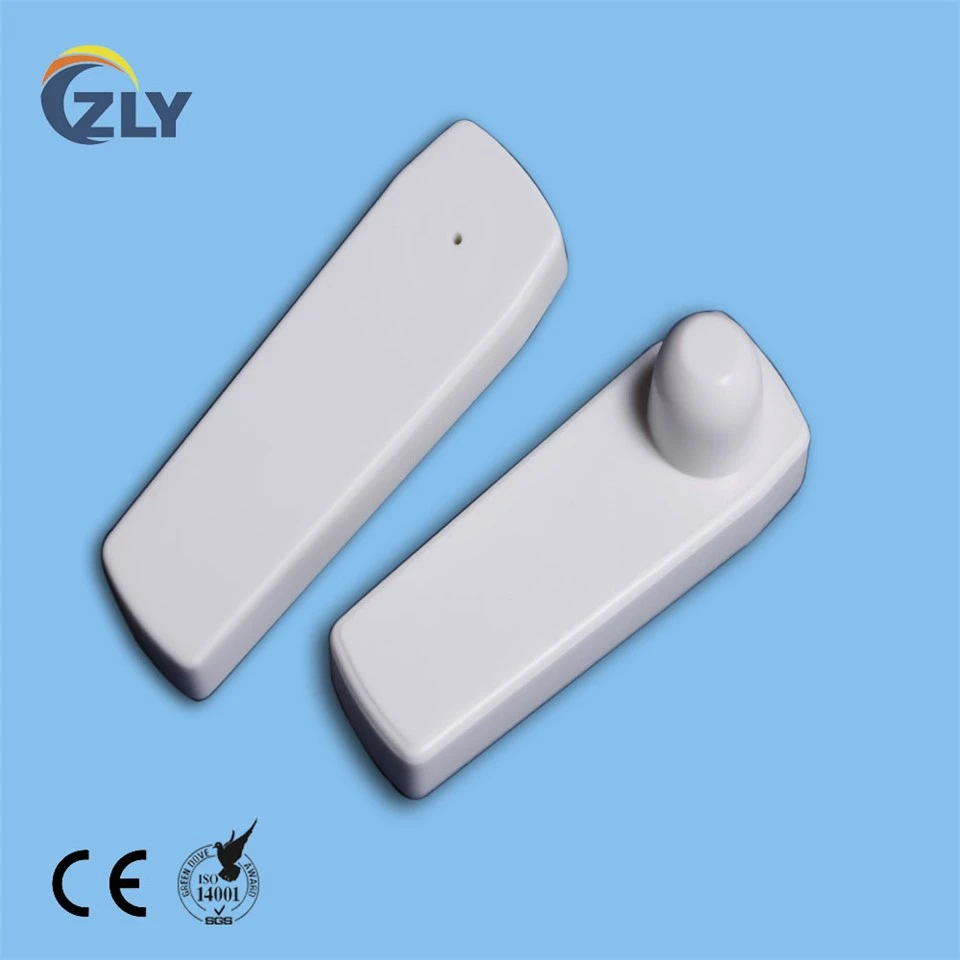
Before delving into configuration, it's crucial to understand what AM tags are and how they function. AM tags are electronic devices designed to trigger an alarm when they pass through an Electronic Article Surveillance (EAS) system. They operate on the principle of magnetic field interference, using a ferromagnetic material that resonates at a specific frequency when exposed to an external magnetic field.
The key components of an AM tag include the ferromagnetic strip, which is the core element responsible for the magnetic resonance, and the encapsulation material, which protects the strip and gives the tag its physical form. The frequency at which the tag resonates is a critical parameter, as it determines compatibility with the EAS system and the tag's performance in different environments.
Assessing the Application Requirements
The first step in configuring an AM tag is to thoroughly assess the specific requirements of the application. Different industries and use - cases have unique needs, and understanding these is essential for optimal configuration.
Retail Environment
In the retail sector, the primary goal of using AM tags is to prevent theft. Consider the type of products being protected. For high - value items such as jewelry or electronics, a more robust and tamper - resistant tag may be required. On the other hand, for smaller, lower - value items like stationery, a more discreet and cost - effective tag would be suitable. For example, the AM Pencil Tag is specifically designed for stationery items. Its small size and lightweight design make it ideal for attaching to pencils, pens, and other small writing instruments without affecting the product's usability.
The layout of the store also plays a significant role. If the store has multiple entrances and exits, the EAS system needs to cover all areas effectively. This may require adjusting the tag's sensitivity and the placement of the detection antennas to ensure reliable detection.
Food and Beverage Industry
In the food and beverage industry, hygiene and product safety are of utmost importance. When protecting products like milk powder drums, tags need to be non - toxic and resistant to moisture. The 58KHZ Milk Powder Drum anti - theft Tag is a great example. It is designed to withstand the harsh conditions often found in food storage and handling environments. Additionally, the frequency of 58KHZ is carefully chosen to ensure compatibility with the EAS systems commonly used in this industry.
Industrial Applications
For industrial applications, such as tracking and securing parts in a manufacturing plant, durability and readability are key. Tags need to be able to withstand rough handling, vibrations, and extreme temperatures. The tag's configuration should also allow for easy integration with the existing inventory management systems. This may involve programming the tag with specific identification codes or data that can be read by the scanners used in the plant.
Selecting the Right Tag
Based on the application requirements, the next step is to select the appropriate AM tag. Our product range includes a variety of tags, each tailored to different needs.
When choosing a tag, consider the following factors:
- Size and Shape: The tag should fit the product without causing any inconvenience or damage. For example, a thin and flexible tag may be suitable for attaching to clothing, while a larger, more rigid tag may be better for bulkier items.
- Frequency: The tag's frequency must match the frequency of the EAS system. Common frequencies for AM tags are in the range of 58KHZ, which is widely used in many retail and industrial applications.
- Sensitivity: The tag's sensitivity determines how easily it can be detected by the EAS system. For applications where false alarms are a concern, a tag with adjustable sensitivity may be required.
Configuring the Tag
Once the right tag is selected, the configuration process can begin. Here are the key steps involved:
Tag Activation
Most AM tags come in an inactive state and need to be activated before use. Activation typically involves exposing the tag to a specific magnetic field or using a special programming device. This process sets the tag's resonance frequency and enables it to interact with the EAS system.
Encoding Data
In some applications, it may be necessary to encode data onto the tag. This could include product information, inventory numbers, or security codes. The encoding process varies depending on the tag's design and the encoding device used. It's important to ensure that the data is accurately encoded and can be easily read by the relevant scanners or readers.
Tag Placement
The placement of the tag on the product is crucial for its effectiveness. The tag should be placed in a location where it is not easily visible or accessible to potential thieves but can still be detected by the EAS system. For example, on clothing, the tag can be attached to the inside seam or a hidden area. On larger items, it can be placed on the back or bottom.
Testing and Optimization
After configuring the tag, it's essential to conduct thorough testing to ensure its proper functioning. This involves passing the tagged products through the EAS system at different angles and speeds to simulate real - world scenarios.
During testing, pay attention to the following:
- Detection Rate: The tag should be detected consistently by the EAS system without false alarms. If the detection rate is low, the tag's sensitivity may need to be adjusted, or its placement may need to be re - evaluated.
- Interference: Check for any interference from other electronic devices or magnetic fields in the vicinity. Interference can cause false alarms or prevent the tag from being detected. If interference is detected, steps should be taken to minimize its impact, such as re - positioning the EAS system or using shielding materials.
Based on the test results, make any necessary adjustments to optimize the tag's performance. This may involve fine - tuning the tag's configuration, changing the placement, or upgrading the EAS system.
Maintenance and Support
Once the AM tags are in use, regular maintenance is required to ensure their continued effectiveness. This includes checking the tags for damage, replacing any worn - out tags, and keeping the EAS system up - to - date.
As a supplier, we offer comprehensive support services to our customers. Our team of experts can provide technical assistance, training on tag configuration and maintenance, and prompt replacement of defective tags.
Conclusion
Configuring an AM tag for specific applications is a multi - step process that requires careful consideration of the application requirements, tag selection, configuration, testing, and maintenance. By following the guidelines outlined in this blog, you can ensure that your AM tags are configured correctly and provide reliable security and operational benefits.
If you are interested in learning more about our AM tags or have specific requirements for your application, we invite you to reach out to us for a detailed consultation. Our team is ready to work with you to find the best solutions for your needs.
References
- Electronic Article Surveillance: Principles and Applications. [Author's name], [Publication year].
- Handbook of Anti - Theft Technologies in Retail. [Author's name], [Publication year].
- Industrial Applications of Electronic Tracking and Security Systems. [Author's name], [Publication year].