

Hey there! As a supplier of RF Mono Systems, I've seen firsthand how these systems can revolutionize security in various industries. But like any technology, there's always room for improvement and expansion. In this blog post, I'll share some tips on how to expand the function of the RF Mono System.
Understanding the Basics of RF Mono System
Before we dive into expanding its functions, let's quickly go over what an RF Mono System is. It's a type of Electronic Article Surveillance (EAS) system that uses radio frequency (RF) technology to detect the presence of tagged items. These systems are commonly used in retail stores, libraries, and other businesses to prevent theft.

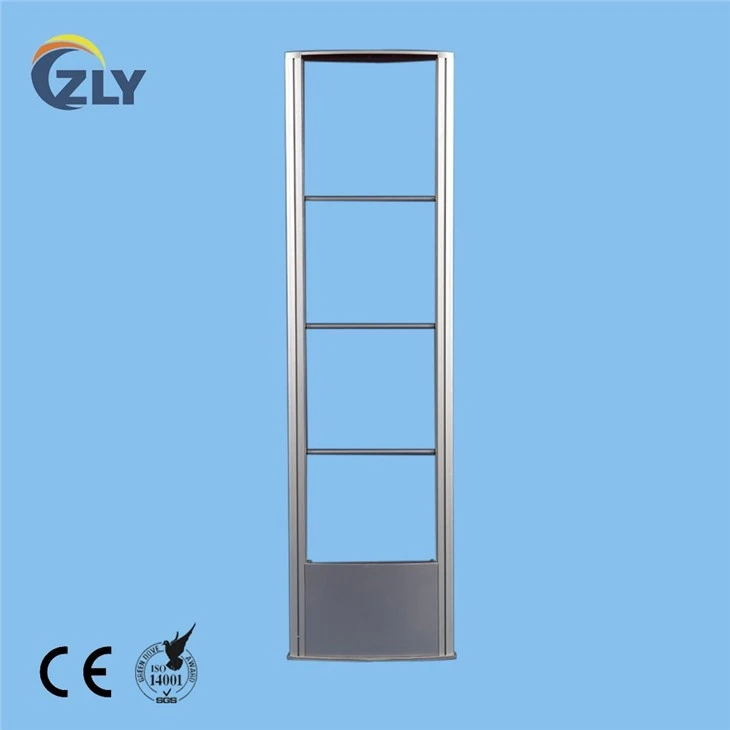
The core components of an RF Mono System typically include antennas, sensors, and tags. The antennas emit an RF signal, and when a tagged item passes through the detection zone, the tag disrupts the signal, triggering an alarm. It's a simple yet effective way to keep track of inventory and deter shoplifting.
Expanding the Detection Range
One of the most straightforward ways to expand the function of an RF Mono System is to increase its detection range. This can be particularly useful in large retail stores or warehouses where you need to monitor a wide area.
- Upgrade the Antennas: Investing in high-quality antennas can significantly improve the detection range. For example, the RF 8.2Mhz aluminum MONO antenna is designed to provide a broader and more consistent detection field. These antennas are built with advanced technology that can enhance the RF signal strength, allowing for better coverage.
- Add Additional Antennas: In some cases, adding more antennas to your existing system can also help expand the detection range. You can strategically place these antennas in different areas of your store or facility to create a larger monitoring zone. Just make sure to configure them properly to avoid interference.
Enhancing the Sensitivity
Another important aspect of expanding the function of an RF Mono System is to enhance its sensitivity. This means being able to detect even the smallest or weakest RF signals, which can be crucial for detecting items with low-powered tags.
- Calibrate the Sensors: Regularly calibrating your sensors can ensure that they are operating at their optimal sensitivity. Over time, sensors may lose their accuracy due to environmental factors or normal wear and tear. By calibrating them, you can fine-tune their settings to detect tags more effectively.
- Use High-Sensitivity Sensors: Consider upgrading to high-sensitivity sensors if you need to detect a wide range of tag types. The RF Acrylic Sensor is a great option as it offers enhanced sensitivity and reliability. These sensors are designed to pick up even the faintest RF signals, making them ideal for detecting hard-to-find tags.
Integrating with Other Systems
Integrating your RF Mono System with other security or business systems can also expand its functionality. This can provide you with a more comprehensive and efficient security solution.
- Point of Sale (POS) Integration: Connecting your RF Mono System to your POS system can help you track inventory in real-time. When a tagged item is sold, the POS system can automatically deactivate the tag, preventing false alarms. This integration can also provide valuable data on sales and inventory levels, allowing you to make more informed business decisions.
- Video Surveillance Integration: Combining your RF Mono System with a video surveillance system can enhance your security measures. When an alarm is triggered, the video surveillance system can automatically start recording the area, providing you with visual evidence of the incident. This can be useful for identifying suspects and preventing future thefts.
Adding New Features
In addition to expanding the detection range, enhancing sensitivity, and integrating with other systems, you can also add new features to your RF Mono System to meet your specific needs.
- Remote Monitoring: With the advancement of technology, many RF Mono Systems now offer remote monitoring capabilities. This allows you to monitor your system from anywhere using a smartphone, tablet, or computer. You can receive real-time alerts, view system status, and even control the system settings remotely.
- Customizable Alarms: Some RF Mono Systems allow you to customize the alarm settings based on your preferences. You can choose different alarm sounds, adjust the volume, and even set up different alarm levels for different types of tags. This can help you differentiate between different types of incidents and respond more effectively.
Choosing the Right Tags
The type of tags you use with your RF Mono System can also have a significant impact on its functionality. Different tags have different features and capabilities, so it's important to choose the right ones for your specific needs.
- High-Performance Tags: For maximum security, consider using high-performance tags that are more difficult to remove or deactivate. These tags are designed to provide a stronger RF signal and are less likely to be tampered with.
- Specialty Tags: There are also specialty tags available for specific applications. For example, some tags are designed for use with clothing, while others are suitable for electronics or other high-value items. By choosing the right specialty tags, you can ensure that your RF Mono System is optimized for your particular business.
Conclusion
Expanding the function of an RF Mono System can provide you with a more effective and comprehensive security solution. By upgrading the antennas, enhancing the sensitivity, integrating with other systems, adding new features, and choosing the right tags, you can take your security to the next level.
If you're interested in learning more about how to expand the function of your RF Mono System or are looking to purchase a new system, feel free to reach out to us. We're here to help you find the best solution for your business. Check out our Aluminium RF Mono Anti-theft System for a reliable and high-performance option.
References
- Industry reports on RF Mono Systems
- Manufacturer's documentation for RF Mono System components