

As a supplier of RF Mono Systems, I've been deeply involved in understanding and addressing the challenges related to system reliability. In this blog, I'll share some real - world insights and practical strategies on how to improve the reliability of the RF Mono System.
Understanding the RF Mono System
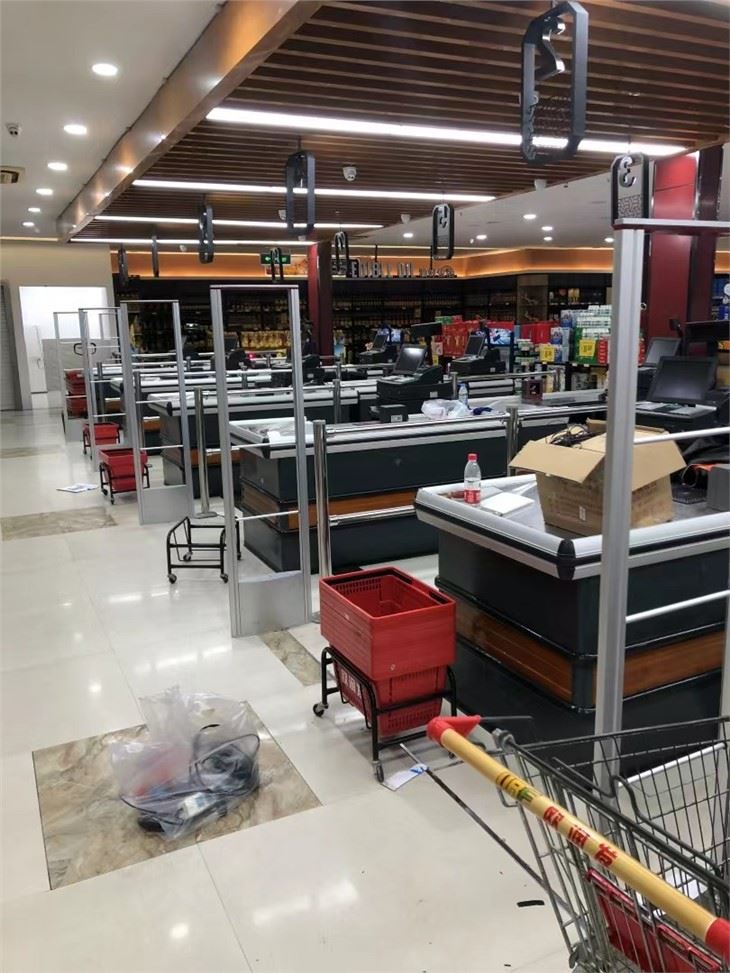
Before we dive into the ways to enhance reliability, let's quickly go over what an RF Mono System is. The RF Mono System is a popular type of Electronic Article Surveillance (EAS) system. It uses radio - frequency technology to detect the unauthorized removal of tagged items from a protected area.
These systems are widely used in various industries, such as retail stores, libraries, and museums, to prevent theft. But just like any other tech, they're not immune to issues that can affect their reliability.
Common Factors Affecting Reliability
- Environmental Interference: RF signals can be disrupted by a whole bunch of things in the environment. For instance, large metal objects can reflect or absorb the RF signals, which in turn can cause false alarms or missed detections. And let's not forget about other electronic devices operating on similar frequencies. They can also interfere with the RF Mono System, leading to inconsistent performance.
- Component Quality: The quality of the components used in the system plays a huge role. Low - quality antennas might not transmit or receive signals effectively. Faulty power supplies can cause the system to shut down unexpectedly. And unreliable sensors can lead to inaccurate readings.
- Installation Errors: A badly installed RF Mono System is just asking for trouble. If the antennas aren't properly aligned or calibrated, the system's detection range will be compromised. Also, incorrect wiring can cause electrical interference and affect the overall performance.
- Lack of Maintenance: Like any piece of equipment, RF Mono Systems need regular maintenance. Dust and debris can accumulate on the components over time, which can impact their functionality. And without regular software updates, the system might not be able to handle new types of threats or operate at its best.
Strategies to Improve Reliability
Minimizing Environmental Interference
- Site Selection and Planning: When setting up the RF Mono System, it's crucial to choose a location that's free from major sources of interference. Avoid areas near large metal racks, electrical equipment, or industrial machinery. Before installation, conduct a thorough site survey to identify any potential interference sources.
- Frequency Management: RF frequencies are like a crowded highway. You need to make sure your system is using a frequency that has less traffic. Some RF Mono Systems come with the ability to adjust the operating frequency. By finding an under - utilized frequency in your area, you can reduce the chances of interference.
- Shielding: For areas where interference can't be completely avoided, consider using shielding materials. There are special RF - shielding paints and films that can be applied to walls or enclosures to block unwanted RF signals.
Using High - Quality Components
- Antenna Selection: The antenna is the heart of the RF Mono System. You want to choose high - gain, low - loss antennas that are designed specifically for the frequency range of your system. Make sure they have a wide radiation pattern to cover the entire detection area effectively.
- Power Supplies: Invest in reliable power supplies with built - in surge protection. A good power supply will ensure a stable and clean power source for the system, reducing the risk of power - related failures.
- Sensors and Tags: High - quality sensors are essential for accurate detection. And don't forget about the tags. They should be durable and have a strong RF signal. When customers are satisfied with the performance of the tags, they're more likely to trust your entire system.
Proper Installation and Calibration
- Professional Installation: It's always a good idea to hire a professional installer with experience in RF Mono Systems. They know how to properly align the antennas, run the wiring, and calibrate the system. This will help you avoid many common installation mistakes right from the start.
- Regular Calibration: Even after a proper installation, the system needs to be calibrated regularly. As the environment changes or components age, the calibration can drift, leading to inaccurate detection. By performing regular calibration checks, you can ensure that the system is operating at its optimal performance.
Regular Maintenance and Monitoring
- Component Cleaning: Regularly clean the antennas, sensors, and other components to remove dust and debris. This simple step can go a long way in maintaining the system's performance. Use a soft, dry cloth to gently wipe the components.
- Software Updates: Keep the system's software up - to - date. Software updates often include bug fixes, security patches, and performance improvements. They can also enhance the system's ability to detect new types of threats.
- System Monitoring: Implement a monitoring system that can track the performance of the RF Mono System in real - time. Look for signs of interference, signal strength fluctuations, or other anomalies. Early detection of problems can prevent major failures down the road.
Comparing with Other Systems
In the market, you might also come across the RF Dual System. While the RF Mono System uses a single frequency, the RF Dual System operates on two frequencies. The RF Dual System can offer some advantages in terms of detection accuracy and reduced interference. However, it also comes with a higher cost.
Our Aluminium RF Mono Anti - theft System is a great option for many businesses. It's built with high - quality aluminium components, which not only make it durable but also help in reducing interference. We also offer a wide range of EAS RF Security System Products to meet different customer needs.

Conclusion
Improving the reliability of the RF Mono System is a multi - faceted process. By understanding the common factors that affect reliability and implementing the right strategies, you can ensure that your system provides consistent and accurate performance. Whether it's minimizing environmental interference, using high - quality components, proper installation and calibration, or regular maintenance and monitoring, every step counts.
If you're interested in enhancing the reliability of your RF Mono System or exploring our range of products, we're here to help. Don't hesitate to reach out for a discussion on how we can customize a solution for your specific needs. Let's work together to create a more secure environment with reliable RF Mono Systems.
References
- White, T. (2020). Electronic Article Surveillance Systems: A Comprehensive Guide. Security Press.
- Brown, M. (2019). RF Technology in Retail Security. Retail Tech Journal.
- Green, S. (2021). Maintaining and Improving RF System Performance. Tech Maintenance Review.