

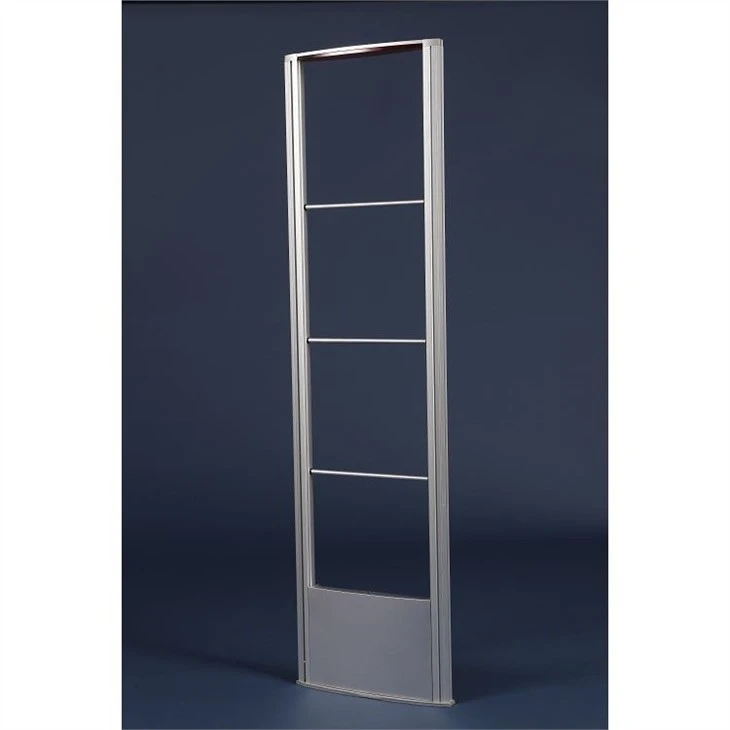
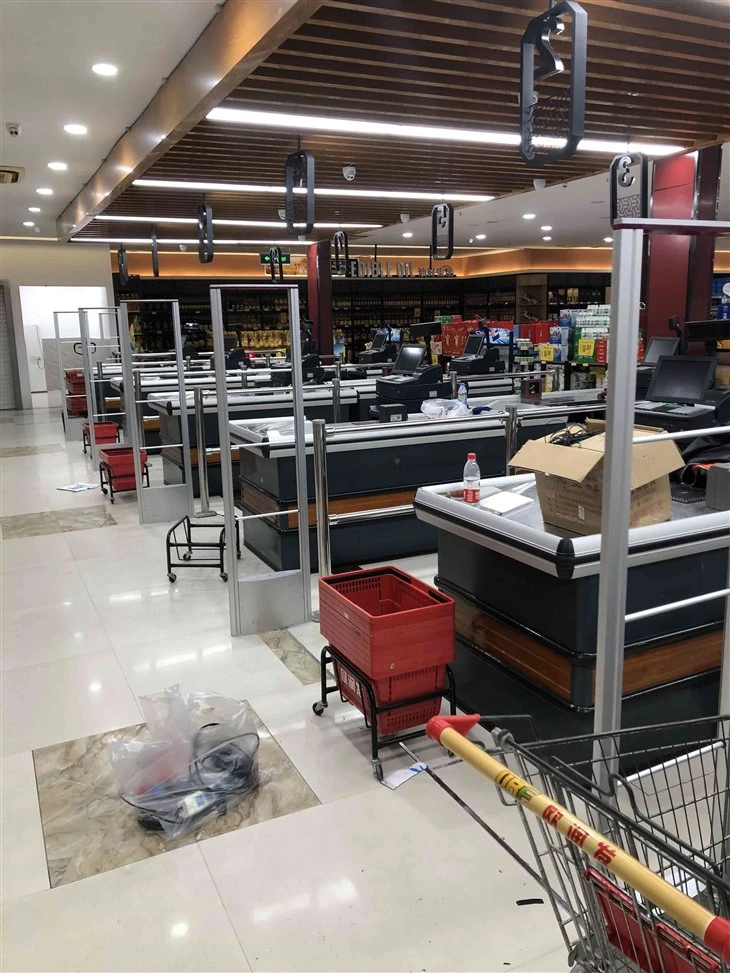
Hey there! As a supplier of RF Mono Security Gates, I've seen firsthand how moisture can mess with these crucial pieces of equipment. Moisture damage isn't just a minor annoyance; it can seriously affect the performance and lifespan of your RF Mono Security Gate. So, let's dig into how you can prevent that from happening.
Understanding the Problem
Before we jump into solutions, it's important to know why moisture is such a big deal for RF Mono Security Gates. These gates rely on precise electrical components and radio frequency signals to work effectively. When moisture gets into the system, it can cause corrosion, short circuits, and interference with the RF signals. This leads to false alarms, reduced detection accuracy, and ultimately, a less reliable security system.
Moisture can sneak in through various ways. High humidity levels in the environment are a common culprit. Places like warehouses, storage facilities, and outdoor areas are especially prone to high humidity. Condensation can also form inside the gate when there's a significant temperature difference between the inside and outside of the unit. Additionally, direct contact with water from spills, leaks, or even heavy rain can quickly damage the internal components.
Choose the Right Location
One of the easiest ways to prevent moisture damage is to think carefully about where you place your RF Mono Security Gate. Avoid areas that are prone to flooding or high humidity. Basements, for example, tend to be damp, so it's best to steer clear unless you have proper dehumidification in place. If possible, choose a well - ventilated area. Good air circulation helps keep the moisture level down around the gate.
When installing the gate, make sure it's not near any sources of water, like sinks, water pipes, or air - conditioning units that might leak. Also, keep it away from doors and windows that could let in rain or drafts. And if you're using the gate outdoors, find a spot that's sheltered from the elements, perhaps under a large overhang or awning.
Protection through Enclosures
Investing in a high - quality enclosure for your RF Mono Security Gate is a smart move. A protective enclosure acts as a barrier between the gate and the moist environment. Look for enclosures made of materials that are resistant to moisture, such as stainless steel or high - grade plastic.
These enclosures should be waterproof and sealed tightly to prevent any water or moisture from seeping in. Make sure the enclosure has proper gaskets around the doors and openings to create a watertight seal. Some enclosures also come with built - in ventilation systems that help to reduce humidity inside.
If you're using the RF 8.2Mhz aluminum MONO antenna, ensure that its enclosure is also well - protected, as the antenna is a critical part of the system and can be easily damaged by moisture.
Dehumidification
Using dehumidifiers in the area where the RF Mono Security Gate is installed can significantly reduce the risk of moisture damage. Dehumidifiers work by removing excess moisture from the air. They come in different sizes and capacities, so you can choose one that's appropriate for the size of the room or area.
For smaller spaces, a portable dehumidifier might be sufficient. These are easy to move around and can be placed close to the gate. In larger areas, like warehouses, a whole - room dehumidifier would be more effective. Make sure to regularly empty the water collection tank and maintain the dehumidifier according to the manufacturer's instructions.
Another option is to use desiccant packs inside the gate's enclosure. These packs absorb moisture and can help keep the internal environment dry. Replace the desiccant packs regularly to ensure they continue to work effectively.
Regular Maintenance and Inspections
Regular maintenance is key to preventing moisture damage. Schedule routine inspections of the RF Mono Security Gate to check for any signs of moisture ingress. Look for watermarks, condensation, or rust on the outer surfaces of the gate. Check the internal components for any signs of corrosion or damage.
If you notice any issues during the inspection, take immediate action. Dry out the affected areas with a dry cloth or compressed air. If the damage is more severe, you may need to replace some of the components. It's also a good idea to clean the gate regularly to remove any dust or debris that could trap moisture.
Employee Training
If your RF Mono Security Gate is used in a business setting, make sure your employees are trained on how to prevent moisture damage. Teach them about the importance of keeping the area around the gate dry and avoiding any spills or leaks near it.
Employees should also be aware of the signs of moisture damage and know who to contact if they notice any problems. By creating a culture of awareness, you can reduce the risk of moisture - related issues and ensure the long - term performance of your 8.2MHZ Mono aluminum alloy immobiliser.
Using a Moisture - Resistant RF Mono Security Gate
When choosing an RF Mono Security Gate, consider one that's designed to be moisture - resistant. Some manufacturers offer gates that have special coatings or materials that help to repel water and prevent corrosion.
These moisture - resistant gates can be a great investment, especially if you're installing the gate in a high - humidity environment. They may cost a bit more upfront, but they can save you money in the long run by reducing the need for frequent repairs and replacements. Additionally, our EAS RF Mono Anti - theft System is engineered to withstand various environmental conditions, including moisture, to provide you with reliable security.
Conclusion
Preventing moisture damage to your RF Mono Security Gate is essential for maintaining its performance and reliability. By choosing the right location, using proper enclosures, implementing dehumidification, conducting regular maintenance, training your employees, and investing in a moisture - resistant gate, you can keep your security system in top shape.
If you're in the market for a high - quality RF Mono Security Gate or have any questions about preventing moisture damage, I'd love to chat. We're here to help you find the best solutions for your security needs. Let's start a conversation and see how we can work together to protect your assets.
References
- Smith, J., "Understanding the Impact of Moisture on Electronic Security Systems", Journal of Security Technology, 2022.
- Brown, A., "Best Practices for Protecting RF Equipment from Moisture", Security World Magazine, 2023.