

Hey there! As an AM Tag supplier, I've seen firsthand how important it is to protect these little guys from damage. AM Tags, or Acousto - Magnetic Tags, are crucial for anti - theft systems in many retail and commercial settings. If they get damaged, well, the whole security system can be compromised. So, let's dig into some ways to keep those AM Tags in tip - top shape.
Understanding the Basics of AM Tags
Before we jump into protection methods, let's quickly go over what AM Tags are. These tags work on the principle of acousto - magnetic resonance. When an item with an active AM Tag passes through an AM detection system at the exit of a store, it sets off an alarm. They're commonly used on all sorts of products, from clothing to electronics.
There are different types of AM Tags out there. For example, the Filling product Security Tag is designed specifically for products like milk and other consumables. Then we have the AM Pencil Tag, which is often used for smaller items, and the Commodity Hard Tag, which is a durable option for a wide range of goods.
Proper Handling During Installation
One of the first steps in protecting AM Tags is to handle them correctly during installation. First off, make sure you've got the right tools for the job. Using the wrong tools can cause physical damage to the tags. For instance, if you're trying to attach a hard tag and you use a tool that's too sharp, you might puncture or crack the tag, rendering it useless.
When attaching the tags, be gentle. Don't yank or pull on them too hard. Some tags are attached with a pin or a clip, and applying too much force can break these components. Also, follow the manufacturer's instructions carefully. Different tags may have different installation requirements, and ignoring these can lead to premature damage.
Storage Conditions
How you store your AM Tags can have a huge impact on their lifespan. First of all, keep them in a dry environment. Moisture is the enemy of AM Tags. If they get wet, it can corrode the internal components and disrupt the magnetic field that makes them work. A humidity - controlled storage area is ideal. You can use dehumidifiers in the storage room if necessary.
Temperature is another important factor. Extreme heat or cold can damage the tags. High temperatures can cause the plastic casing to warp, while freezing temperatures can make the components brittle. Try to keep the storage temperature between 20 - 25 degrees Celsius (68 - 77 degrees Fahrenheit).
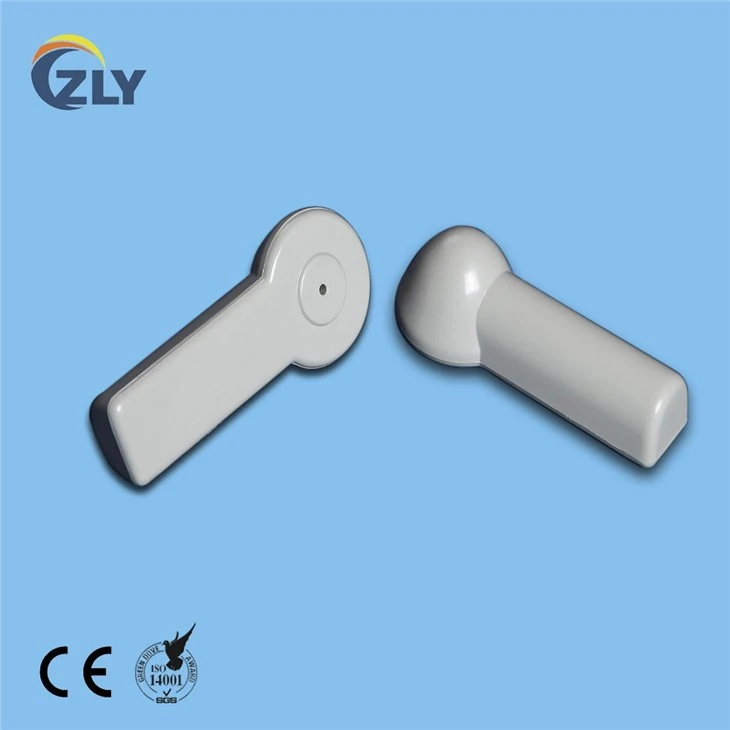
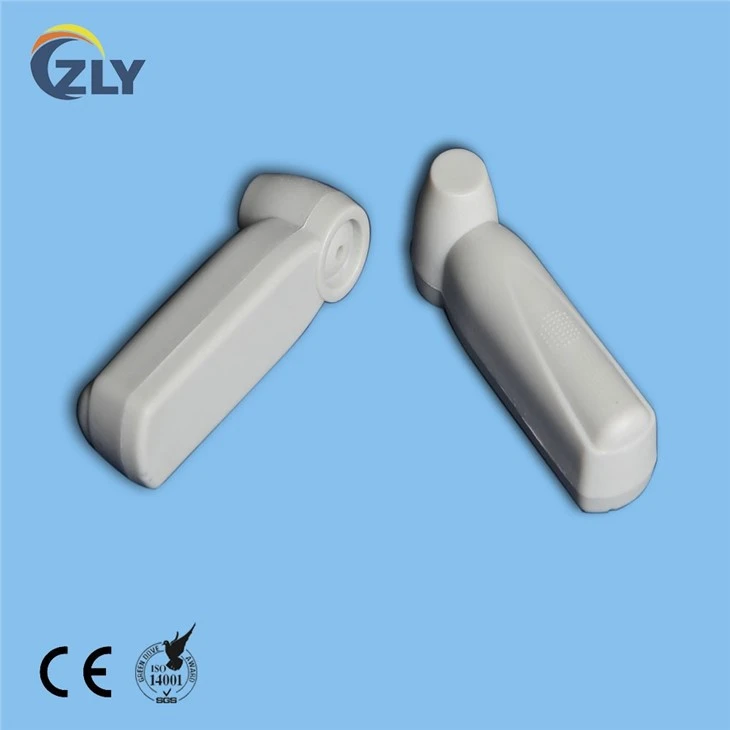
Also, store the tags in an organized way. Don't just throw them in a box all jumbled up. This can cause them to scratch or bump into each other, leading to damage. Use trays or compartments to keep them separated and protected.
Protection During Transportation
If you're shipping AM Tags to your customers or moving them around within your own facility, you need to take extra precautions. First, use proper packaging. Bubble wrap or foam inserts can provide a cushioning effect and protect the tags from impact during transit.
Label the packages clearly as "Fragile" so that handlers are aware of the delicate nature of the contents. If possible, choose a reliable shipping carrier with a good track record for handling fragile items.
When loading and unloading the packages, be careful. Avoid dropping or throwing them. Even a small impact can cause internal damage to the tags that may not be immediately visible but can affect their performance later on.
Regular Inspections
Regular inspections are key to catching any potential damage early. Set up a schedule to check your AM Tags. Look for any visible signs of damage, such as cracks, chips, or loose parts. If you notice any of these issues, remove the damaged tags from circulation immediately.
You can also perform functional tests on the tags. Use a test device to see if the tags are still working properly. This can help you identify tags that may have internal damage even if they look okay on the outside.
Employee Training
Your employees play a big role in protecting AM Tags. Make sure they're properly trained on how to handle, install, and store the tags. Provide them with clear guidelines and training materials.
Train them to recognize the signs of damage and what to do if they find a damaged tag. Encourage them to report any issues immediately so that you can take action to prevent further problems.
Avoiding Chemical Exposure
AM Tags can be sensitive to certain chemicals. Keep them away from cleaning agents, solvents, and other harsh chemicals. These substances can corrode the tags and damage their internal components.
If you need to clean an area where AM Tags are present, use mild, non - abrasive cleaners. And make sure to dry the area thoroughly to prevent any moisture from getting on the tags.
Updating Your Security Systems
As technology advances, so do AM Tags. Newer models may be more durable and less prone to damage. Consider upgrading your security system and the tags you use periodically. This can not only improve the protection of your products but also reduce the risk of tag damage.
Conclusion
Protecting AM Tags from damage is essential for maintaining an effective anti - theft system. By following these tips on proper handling, storage, transportation, inspections, and more, you can ensure that your AM Tags last longer and work more reliably.
If you're in the market for high - quality AM Tags or need more advice on protecting them, don't hesitate to reach out. We're here to help you keep your products secure. Whether you're a small boutique or a large - scale retailer, we've got the right solutions for you. Let's start a conversation about how we can meet your AM Tag needs and protect your business from theft.
References
- Industry reports on anti - theft technology
- Manufacturer's guidelines for AM Tags