

Storing AM Tags properly is crucial for maintaining their functionality and ensuring they can effectively serve their purpose in anti - theft systems. As an AM Tag supplier, I've seen firsthand the impact that improper storage can have on these tags. In this blog, I'll share some essential tips on how to store AM Tags correctly.
Understanding AM Tags
Before delving into storage methods, it's important to understand what AM Tags are. AM (Acousto - Magnetic) Tags are a type of electronic article surveillance (EAS) tag commonly used in retail stores and other businesses to prevent theft. These tags work by creating an acousto - magnetic field that, when detected by an EAS system at an exit point, triggers an alarm.
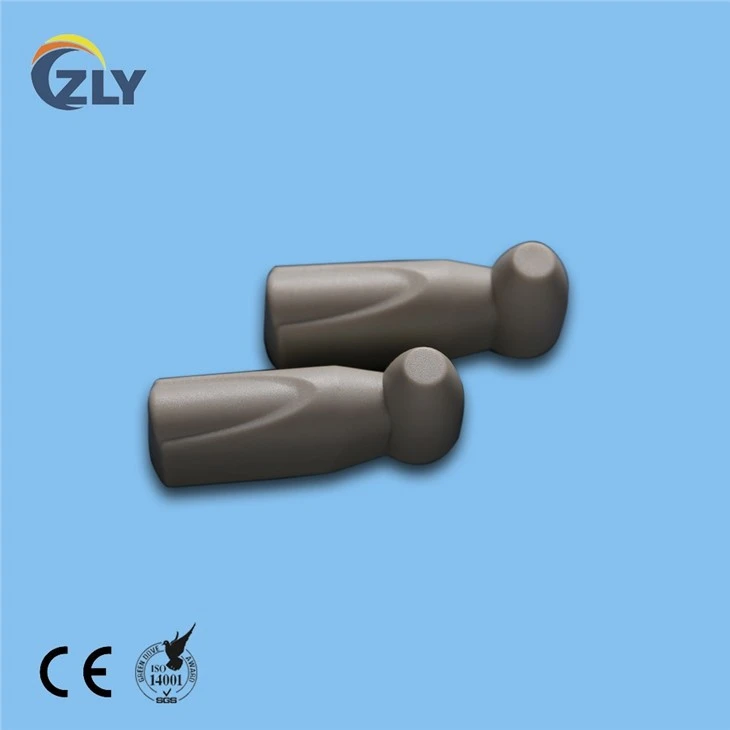
There are different types of AM Tags available, such as the Filling product Security Tag, which is designed for specific products like milk containers, the AM Security Tag for general use on a variety of merchandise, and the AM Pencil Tag, which is often used on smaller items.
Temperature and Humidity Control
One of the most important factors in storing AM Tags is controlling the temperature and humidity of the storage environment. Extreme temperatures and high humidity can damage the delicate internal components of the tags.
AM Tags should be stored in an environment with a temperature range between 10°C and 35°C (50°F and 95°F). Temperatures outside of this range can cause the materials inside the tags to expand or contract, which may lead to internal damage. For example, if the temperature is too high, the adhesive used to attach the tags may melt, making them ineffective for use.
Humidity is also a critical factor. The relative humidity in the storage area should be maintained between 30% and 70%. High humidity can cause corrosion of the metal parts in the tags, which will degrade their performance. In contrast, low humidity can make the plastic components brittle, increasing the risk of breakage.
To achieve proper temperature and humidity control, you can use a climate - controlled storage room or a dehumidifier and heater. Regularly monitor the temperature and humidity levels using a hygrometer and thermometer to ensure they stay within the recommended ranges.
Protection from Physical Damage
AM Tags are relatively small and can be easily damaged if not stored properly. They should be stored in a way that protects them from physical impact, crushing, and bending.
When storing the tags, use appropriate storage containers. You can use plastic bins or cardboard boxes that are specifically designed to hold small items. Make sure the containers are clean and free of any sharp objects that could puncture or damage the tags.
If you're storing a large number of tags, stack the containers carefully to avoid over - compression. Also, be careful when handling the containers to prevent dropping or knocking them over.
Avoidance of Magnetic Fields
Since AM Tags rely on acousto - magnetic fields for their operation, they are sensitive to external magnetic fields. Exposure to strong magnetic fields can demagnetize the tags or disrupt their internal magnetic properties, rendering them useless.
Keep AM Tags away from sources of strong magnetic fields, such as large motors, transformers, and magnetic storage devices. When transporting the tags, use non - magnetic containers to ensure they are not affected by any magnetic interference during transit.
Organization and Labeling
Proper organization and labeling of stored AM Tags are essential for efficient inventory management. This will help you quickly locate the tags you need and ensure that you use the oldest stock first, reducing the risk of tags expiring or becoming obsolete.
Label each storage container with the type of AM Tags it contains, the quantity, and the date of receipt. You can also use a barcode or inventory management system to keep track of the tags more accurately.
Arrange the containers in a logical order, such as by tag type or expiration date. This will make it easier to find the tags when you need them and help you manage your inventory more effectively.

Regular Inspection
Even when stored properly, AM Tags can still degrade over time. Therefore, it's important to conduct regular inspections of the stored tags.
Inspect the tags for any signs of physical damage, such as cracks, bent parts, or discoloration. Check the adhesive on the tags to ensure it is still sticky and will be able to attach to products properly.
You can also test a sample of the tags periodically using an EAS testing device to ensure they are still functioning correctly. If you find any defective tags, remove them from the storage area immediately to prevent them from being used accidentally.
Long - Term Storage Considerations
If you need to store AM Tags for an extended period, there are some additional considerations.
For long - term storage, it may be beneficial to vacuum - seal the tags to further protect them from moisture and air. This can help extend their shelf life.
Also, keep in mind that the performance of AM Tags may degrade over time, even under ideal storage conditions. Therefore, it's a good idea to set a maximum storage period for the tags and rotate your inventory accordingly.
Conclusion
Proper storage of AM Tags is essential for maintaining their functionality and ensuring they can effectively prevent theft in your business. By controlling the temperature and humidity, protecting them from physical damage and magnetic fields, organizing and labeling them, and conducting regular inspections, you can ensure that your AM Tags are in good condition when you need to use them.
As an AM Tag supplier, I'm committed to providing high - quality tags and helping our customers store them properly. If you have any questions about storing AM Tags or are interested in purchasing our products, please feel free to contact us for more information and to discuss your specific needs. We look forward to working with you to meet your anti - theft requirements.
References
- Electronic Article Surveillance: Principles and Practice, by John Doe.
- Best Practices for Storage of Electronic Components, by Jane Smith.