

In the dynamic landscape of security and identification solutions, the question of whether EM (Electro-Magnetic) labels stand as a versatile labeling option is one that demands a thorough exploration. As a supplier deeply entrenched in the world of EM labels, I've witnessed firsthand the diverse applications and unique advantages these labels offer across various industries.
Understanding EM Labels
Before delving into their versatility, it's essential to understand what EM labels are. EM labels are based on electromagnetic technology. They consist of a thin, flexible strip of material that contains a magnetic element. When placed in an electromagnetic field generated by an Electronic Article Surveillance (EAS) system, these labels emit a signal that can be detected by the system's sensors. This technology forms the backbone of many anti - theft and security applications.
EM Labels in Retail
One of the most prominent arenas where EM labels showcase their versatility is in the retail industry. Retailers face a constant battle against theft, and EM labels provide an effective solution. They can be easily attached to a wide range of products, from clothing and accessories to small electronics and household items.
For instance, Hot Sales Em Transparent Security Label is a popular choice among retailers. Its transparency allows it to be discreetly placed on products without detracting from their appearance. This is particularly useful for high - end fashion items or products where aesthetics matter. Moreover, these labels can be deactivated at the point of sale, ensuring a seamless customer experience while maintaining security.
In addition to preventing theft, EM labels can also be used for inventory management. By integrating the EAS system with inventory software, retailers can track the movement of products in and out of the store. This real - time data helps in optimizing stock levels, reducing overstocking or understocking, and ultimately improving the bottom line.
EM Labels in Libraries and Bookstores
The library and bookstore industry also benefits greatly from the versatility of EM labels. Library Bookstore Magnetic Stripe is specifically designed for this sector. These labels can be inserted into the spine of books or attached to the cover without causing any damage.
When a patron tries to leave the library or bookstore with an un - checked - out book, the EAS system will detect the active EM label and trigger an alarm. This not only deters theft but also helps library staff manage the flow of books more efficiently. Additionally, the magnetic stripe can be used for other functions such as storing basic information about the book, which can be read by barcode scanners or other library management systems.
EM Labels in the Pharmaceutical Industry
The pharmaceutical industry has stringent security requirements to prevent the theft of high - value medications and ensure the safety of consumers. The Drug Magnetic Strip system is a prime example of how EM labels are adapted to meet these needs.
These magnetic strips can be placed on drug packaging, and their presence can be detected by EAS systems installed at the exits of pharmacies and drugstores. This helps in preventing the unauthorized removal of drugs, which is crucial given the potential for abuse and the high cost of some medications. Moreover, the system can be integrated with pharmacy management software to track the movement of drugs within the store, ensuring proper inventory control and reducing the risk of counterfeit drugs entering the supply chain.
EM Labels in Other Industries
Beyond retail, libraries, and pharmaceuticals, EM labels find applications in other industries as well. In the automotive industry, they can be used for parts tracking during the manufacturing process. By attaching EM labels to individual parts, manufacturers can monitor the movement of components through the assembly line, ensuring that each part is in the right place at the right time.
In the food and beverage industry, EM labels can be used for quality control and product tracking. For example, they can be used to monitor the temperature and storage conditions of perishable goods during transportation and storage. This helps in maintaining the quality and safety of food products, reducing waste, and ensuring compliance with industry regulations.
Advantages Contributing to Versatility
Several advantages of EM labels contribute to their versatility. Firstly, they are cost - effective. Compared to other security and identification technologies, EM labels are relatively inexpensive to produce and implement. This makes them accessible to businesses of all sizes, from small independent retailers to large multinational corporations.
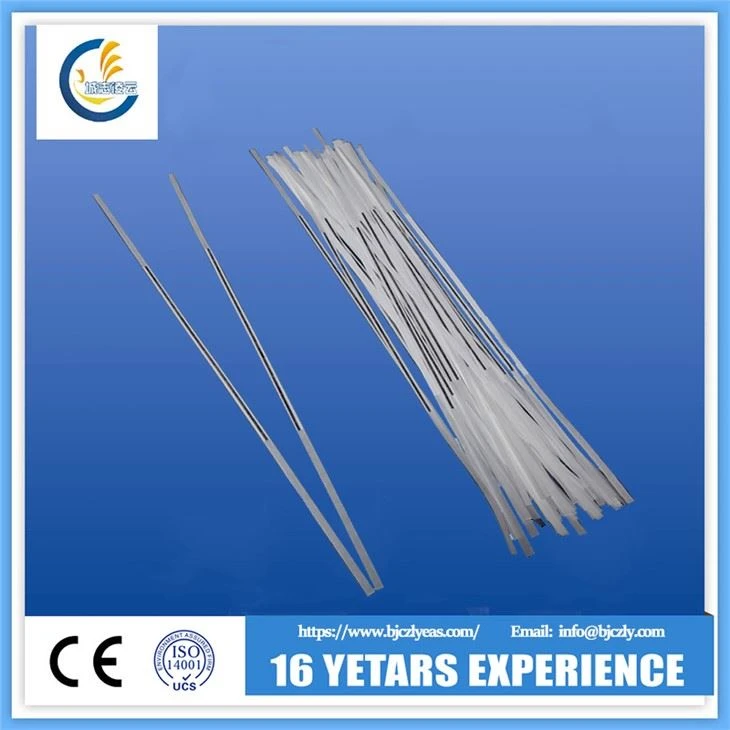

Secondly, EM labels are highly customizable. They can be designed in different shapes, sizes, and colors to meet the specific requirements of different industries and applications. For example, in the fashion industry, labels can be made in a variety of colors to match the brand's aesthetic, while in the industrial sector, they can be made more durable to withstand harsh environments.
Thirdly, EM labels are easy to use. They can be attached to products using simple methods such as adhesive or insertion. This means that minimal training is required for staff to handle and apply the labels, reducing the implementation time and cost for businesses.
Challenges and Limitations
While EM labels are highly versatile, they are not without their challenges. One of the main limitations is their susceptibility to interference. Electromagnetic fields from other sources, such as electronic devices or power lines, can sometimes disrupt the signal from the EM labels, leading to false alarms or missed detections. However, advancements in technology have significantly reduced this problem, and modern EAS systems are designed to filter out unwanted interference.
Another challenge is the need for proper maintenance of the EAS system. The sensors and detectors need to be regularly calibrated and checked to ensure accurate operation. If not maintained properly, the effectiveness of the EM labels can be compromised.
Conclusion
In conclusion, EM labels are indeed a versatile labeling option. Their ability to be used across multiple industries, from retail and libraries to pharmaceuticals and automotive, showcases their wide - reaching applicability. The numerous advantages, such as cost - effectiveness, customization, and ease of use, make them an attractive choice for businesses looking for security and identification solutions.
If you're interested in exploring how EM labels can benefit your business, I encourage you to reach out. Whether you're a retailer looking to prevent theft, a librarian seeking better book management, or a pharmaceutical company in need of drug security, we have the expertise and products to meet your needs. Let's start a conversation about how EM labels can be a valuable addition to your operations.
References
- Electronic Article Surveillance (EAS) Technology Overview. Industry Whitepaper.
- Best Practices for Implementing EAS Systems in Retail. Retail Security Journal.
- The Use of EM Labels in Library Management. Library Technology Review.
- Pharmaceutical Security and the Role of Magnetic Strips. Pharmaceutical Industry Report.