

Hey there! As a supplier of RF Dual System, I've seen firsthand the ins and outs of this technology. In this blog, I'll share some common problems that folks often run into with RF Dual Systems.
1. Interference Issues
One of the most prevalent problems with RF Dual Systems is interference. RF signals operate in a crowded electromagnetic spectrum, and there are a bunch of sources that can cause interference. For instance, other electronic devices in the vicinity, like Wi - Fi routers, Bluetooth devices, and even some types of lighting fixtures, can emit signals that interfere with the RF Dual System.
Imagine you're running a retail store with an RF Dual System for anti - theft purposes. If there's a Wi - Fi router placed too close to the RF sensors, the Wi - Fi signals can disrupt the RF communication between the tags and the detectors. This can lead to false alarms or, even worse, missed detections.
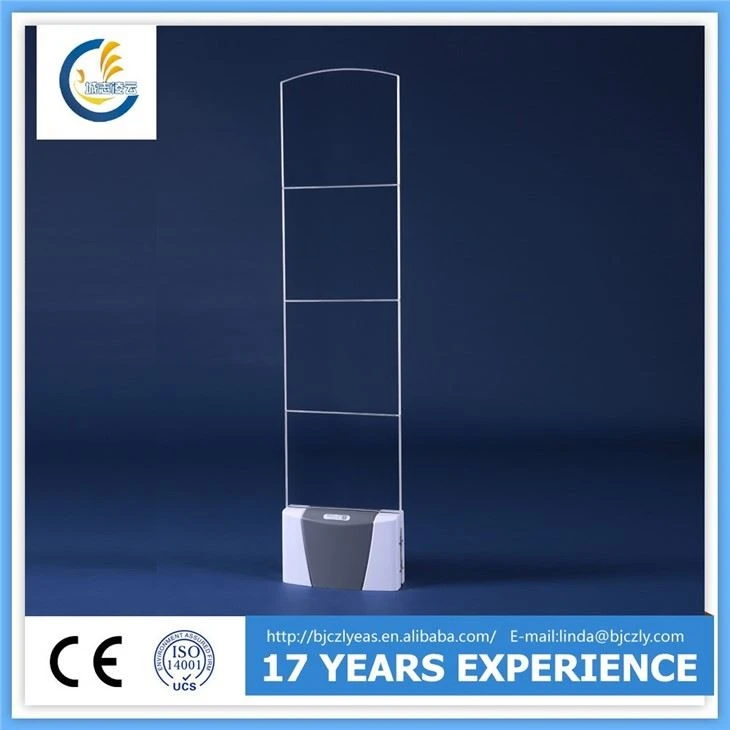
To mitigate this issue, it's important to carefully plan the installation of the RF Dual System. Keep it away from other electronic devices as much as possible. Sometimes, you might need to use shielding materials to block out unwanted signals. And if you're facing persistent interference, you might want to consider using an RF 8.2Mhz aluminum MONO antenna. This type of antenna is designed to be more resistant to interference and can improve the overall performance of your system.
2. Signal Range Limitations
Another common problem is the limited signal range. RF Dual Systems rely on the transmission of radio frequency signals between tags and detectors. The range of these signals can be affected by several factors, such as the power of the transmitter, the presence of obstacles, and the environment.
In a large retail space or a warehouse, the signal might not be able to reach all the areas where tags are placed. For example, if there are large metal racks or thick walls in the store, these can block or weaken the RF signals. As a result, tags on items behind these obstacles might not be detected properly.
To address this, you can install additional detectors or repeaters to extend the signal range. You can also choose higher - power transmitters, but be careful as this might increase the risk of interference. Our EAS RF Security System Products come with different options for signal strength and range, so you can pick the one that suits your specific needs.
3. Tag Sensitivity and Compatibility
Tag sensitivity is a crucial aspect of an RF Dual System. Tags need to be sensitive enough to be detected by the detectors, but not so sensitive that they trigger false alarms easily. Sometimes, tags can lose their sensitivity over time due to wear and tear, exposure to extreme temperatures, or improper storage.
Compatibility is also a big deal. Different RF Dual Systems might use different frequencies or encoding methods. If you try to use tags that are not compatible with your system, they might not be detected at all. For example, if you have an older RF Dual System and you buy new tags that are designed for a more advanced system, there could be compatibility issues.
When choosing tags for your RF Dual System, make sure to select high - quality ones from a reliable supplier. Our company offers a wide range of tags that are carefully tested for sensitivity and compatibility. And if you're unsure which tags to choose, our support team can help you out.
4. False Alarms
False alarms are a real headache for users of RF Dual Systems. They can disrupt the normal operation of a business, annoy customers, and waste time and resources. False alarms can be caused by a variety of factors, including interference, tag sensitivity issues, and improper installation.
As mentioned earlier, interference from other electronic devices can cause false alarms. If the tag sensitivity is set too high, even small changes in the electromagnetic field can trigger an alarm. And if the detectors are not installed correctly, they might pick up stray signals and cause false alarms.

To reduce false alarms, you need to troubleshoot the system carefully. Check for sources of interference, adjust the tag sensitivity, and make sure the detectors are installed properly. Our RF Acrylic Mono System is designed with advanced algorithms to minimize false alarms, but proper maintenance and setup are still key.
5. Maintenance and Upkeep
Like any other technology, RF Dual Systems require regular maintenance and upkeep. Components can wear out over time, and software might need to be updated to ensure optimal performance.
For example, the batteries in the tags need to be replaced periodically. If the batteries run out, the tags won't be detected. The detectors also need to be cleaned and calibrated regularly to make sure they are working correctly. And software updates are important to fix bugs, improve security, and add new features.
It's a good idea to have a maintenance schedule in place. Our company provides maintenance services and can also offer training on how to maintain the system yourself.
6. Cost - Benefit Analysis
When considering an RF Dual System, cost is always a factor. The initial investment in the system, including the detectors, tags, and installation, can be significant. And then there are ongoing costs for maintenance, tag replacement, and software updates.
On the other hand, the benefits of an RF Dual System, such as reducing theft, improving inventory management, and enhancing security, can be substantial. However, it's important to do a cost - benefit analysis to make sure that the system is worth the investment for your business.
We understand that cost is a concern for our customers. That's why we offer competitive pricing on our EAS RF Security System Products and can work with you to find a solution that fits your budget.
Conclusion
So, there you have it - some of the common problems of RF Dual Systems. While these issues can be challenging, they are not insurmountable. With proper planning, installation, maintenance, and the right choice of products, you can overcome these problems and enjoy the benefits of an RF Dual System.
If you're interested in learning more about our RF Dual System products or have any questions about the problems we've discussed, feel free to reach out to us. We're here to help you make the best decision for your business and ensure that your RF Dual System runs smoothly. Let's start a conversation about your specific needs and see how we can work together to solve your security and inventory management challenges.
References
- Various industry reports on RF technology and its applications.
- Manufacturer's manuals and technical documents for RF Dual Systems.