

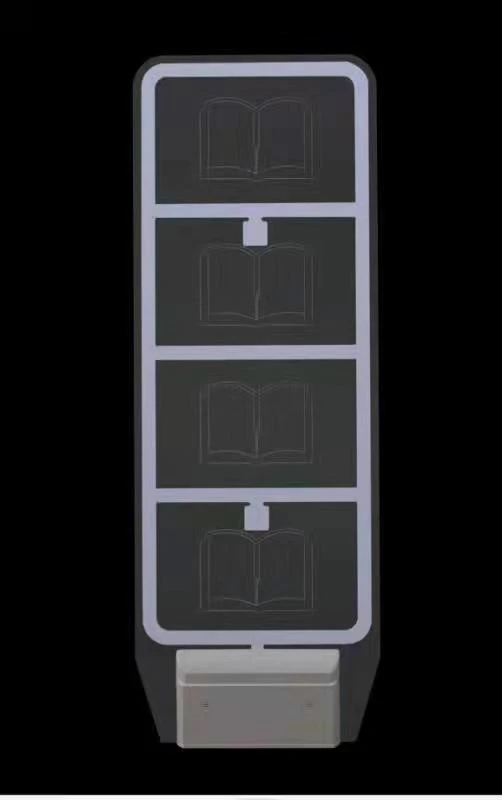
Acrylic EM (Electromagnetic) Systems have gained significant popularity in the field of electronic article surveillance (EAS) due to their sleek appearance, relatively lightweight design, and certain functional advantages. As a supplier of Acrylic EM Systems, I am well - versed in their features and applications. However, like any technology, they also come with a set of disadvantages that potential customers should be aware of.
1. Durability Concerns
One of the primary drawbacks of Acrylic EM Systems is their relatively poor durability compared to some other materials used in EAS systems. Acrylic is a type of plastic, and while it is known for its transparency and aesthetic appeal, it is more prone to scratches and physical damage. In high - traffic areas such as retail stores or libraries, the constant movement of people and goods can lead to accidental collisions with the acrylic antennas. These scratches not only mar the appearance of the system but can also potentially affect its performance.
For example, a scratch on the surface of an acrylic antenna might interfere with the electromagnetic field it generates. The EM field is crucial for detecting the tags attached to merchandise. Any disruption in this field can result in false alarms or missed detections, which are both highly undesirable in an EAS system. In contrast, an EAS EM System made of aluminium is more robust and less likely to be damaged by minor impacts or scratches. Aluminium has a higher resistance to physical wear and tear, making it a more suitable choice for environments where the system is likely to be exposed to rough handling.
2. Environmental Sensitivity
Acrylic EM Systems are also sensitive to environmental factors. Temperature and humidity can have a significant impact on the performance of acrylic materials. High temperatures can cause acrylic to expand, which may lead to warping of the antennas. Warped antennas can distort the electromagnetic field they produce, leading to inconsistent tag detection.
In addition, humidity can also be a problem. Acrylic has a certain degree of water absorption, and in high - humidity environments, the absorbed moisture can affect the electrical properties of the material. This can cause interference with the electromagnetic signals used in the EAS system, resulting in inaccurate tag detection. For instance, in a coastal area where the humidity is constantly high, an acrylic EM system may experience more false alarms or failures to detect tags compared to a system made of a more environmentally resistant material. On the other hand, a Plastic EM Anti Theft System that is specifically designed to be more resistant to environmental factors may offer better performance in such conditions.
3. Cost - Effectiveness in the Long Run
Although acrylic EM Systems may seem cost - effective at the initial purchase stage, they may not be the most economical choice in the long run. Due to their durability issues and environmental sensitivity, these systems may require more frequent maintenance and replacement compared to other types of EAS systems.
The cost of repairing or replacing scratched or warped acrylic antennas can add up over time. Moreover, the potential for false alarms and missed detections can also lead to additional costs for the business. False alarms can disrupt the normal operation of a store or library, causing inconvenience to customers and employees. Missed detections, on the other hand, can result in inventory shrinkage due to theft, which directly impacts the bottom line of the business. In comparison, a more durable and reliable EAS system, even if it has a higher upfront cost, may save money in the long term by reducing maintenance and replacement costs, as well as minimizing losses due to theft.
4. Limited Range and Coverage
Another disadvantage of Acrylic EM Systems is their relatively limited range and coverage compared to some other EAS technologies. The electromagnetic field generated by acrylic antennas has a certain effective range, beyond which the system may not be able to detect tags accurately.
In large - scale retail stores or libraries, this limited range can be a significant problem. For example, in a big - box store with wide aisles and high ceilings, an Acrylic EM System may not be able to cover the entire area effectively. This can leave blind spots where thieves can easily steal merchandise without being detected. A Super wide super high acrylic advanced library anti - theft system attempts to address this issue by offering a wider and higher coverage area, but it may still have limitations compared to other more advanced EAS technologies.
5. Compatibility Issues
Acrylic EM Systems may also face compatibility issues with certain types of tags or other EAS components. The electromagnetic properties of acrylic can interact with the tags in a way that may not be optimal for all tag types. Some tags may not be detected as accurately as others, depending on their design and the strength of the electromagnetic field they generate.
In addition, when integrating an Acrylic EM System with other security systems or technologies, compatibility problems may arise. For example, if a store wants to integrate the EAS system with a CCTV system for better surveillance, the acrylic EM System may not communicate effectively with the CCTV equipment. This can make it difficult to coordinate the security efforts and may reduce the overall effectiveness of the security system.
Conclusion
While Acrylic EM Systems have their advantages, such as their aesthetic appeal and relatively lightweight design, they also come with a number of disadvantages. These include durability concerns, environmental sensitivity, limited long - term cost - effectiveness, limited range and coverage, and compatibility issues. As a supplier of Acrylic EM Systems, I understand that these drawbacks need to be carefully considered by potential customers.
If you are in the market for an EAS system, it is important to weigh the pros and cons of different options based on your specific needs and the environment in which the system will be used. We are always ready to assist you in making an informed decision. If you have any questions or would like to discuss your requirements further, please feel free to reach out to us for a detailed consultation and potential procurement. We look forward to working with you to find the best EAS solution for your business.
References
- "Electronic Article Surveillance: Principles and Applications" - A comprehensive book on EAS systems that discusses the performance and limitations of different materials used in EAS antennas.
- Industry reports on the performance of various EAS technologies in different environmental conditions, which provide insights into the environmental sensitivity of acrylic - based systems.
- Case studies of businesses using Acrylic EM Systems, highlighting the issues they have faced in terms of durability, cost - effectiveness, and compatibility.