

Hey there! I'm a supplier of RF Deactivators, and while these nifty devices have their fair share of perks, it's only fair to talk about the other side of the coin too. So, let's dive into the disadvantages of an RF Deactivator.
Limited Range
One of the most noticeable drawbacks of an RF Deactivator is its limited range. You see, these things rely on radio frequencies to do their job, and the signal strength only goes so far. If an item with an RF tag is just a bit too far from the deactivator, there's a good chance the tag won't be deactivated properly. This can lead to some embarrassing moments at the checkout, where customers have to go back and have the tag re - processed.
I've had customers tell me about situations where they had a big cart full of items, and the items at the edges or in the back were not within the effective range of the EAS Deactivator. It caused delays at the register and left the customers frustrated. And as a store owner, that's the last thing you want, right?
Interference Issues
RF Deactivators operate in a world full of other radio frequency signals. Wi - Fi routers, cell phones, and even other electronic security systems can interfere with the signal of the deactivator. When interference occurs, the deactivator might not work as intended. It could either fail to deactivate the tags or, in some rare cases, accidentally deactivate tags that it shouldn't.
I remember one store that had a Wi - Fi router placed too close to their RF 8.2MHZ deactivator. Every time a customer passed through the checkout area, the deactivator would act up. The tags on some items wouldn't deactivate, and the alarm at the exit would go off. It was a real headache for the store staff and customers alike. Solving this problem often involves re - positioning the deactivator or the interfering devices, which can be a hassle.
Tag Compatibility
Not all RF tags are created equal. There are different types of RF tags with varying frequencies and encoding methods. Some RF Deactivators are only compatible with a specific range of tags. If a store uses a mix of different tags or switches to a new type of tag, the existing deactivator might not be able to deactivate them.
For example, I had a client who decided to switch to a more advanced type of RF tag for better security. Their old 8.2 RF Soft Label Deactivator couldn't handle the new tags. They had to invest in a new deactivator, which meant additional costs and a period of adjustment for the staff.
Maintenance Requirements
RF Deactivators are electronic devices, and like all electronics, they need regular maintenance. Over time, the internal components can wear out, and the performance can degrade. Dust, dirt, and other environmental factors can also affect the deactivator's functionality.
I've seen stores that neglect the maintenance of their deactivators. The deactivators start to malfunction, and the tags aren't deactivated correctly. Regular cleaning, calibration, and component replacement are necessary to keep the deactivator in top - notch condition. But let's face it, not all store owners have the time or the technical know - how to do this themselves. They often have to hire a professional, which adds to the overall cost of using the deactivator.
Cost
Let's talk about money. RF Deactivators can be quite expensive, especially the high - quality ones. There's the initial purchase cost, which can be a significant investment for small businesses. And then there are the ongoing costs, like maintenance, replacement parts, and energy consumption.
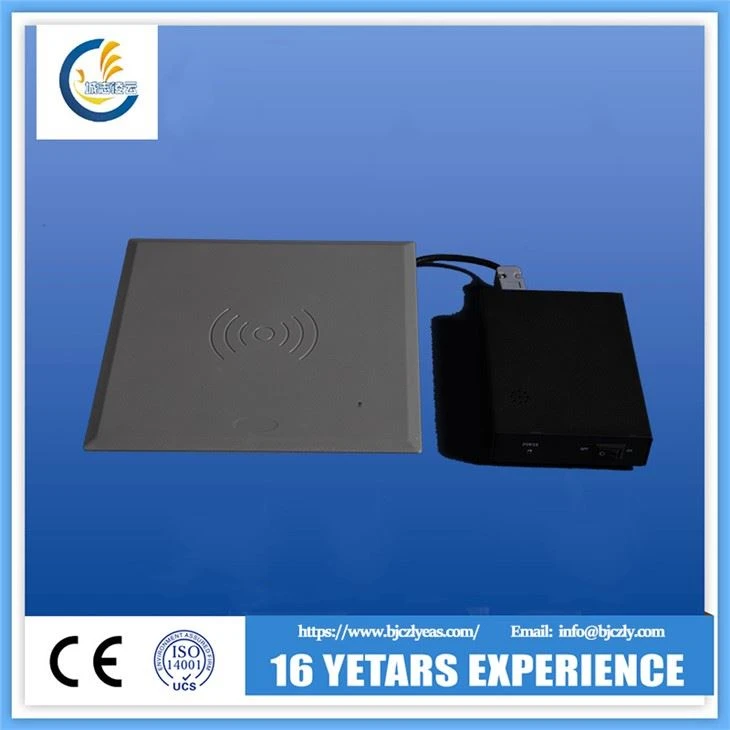
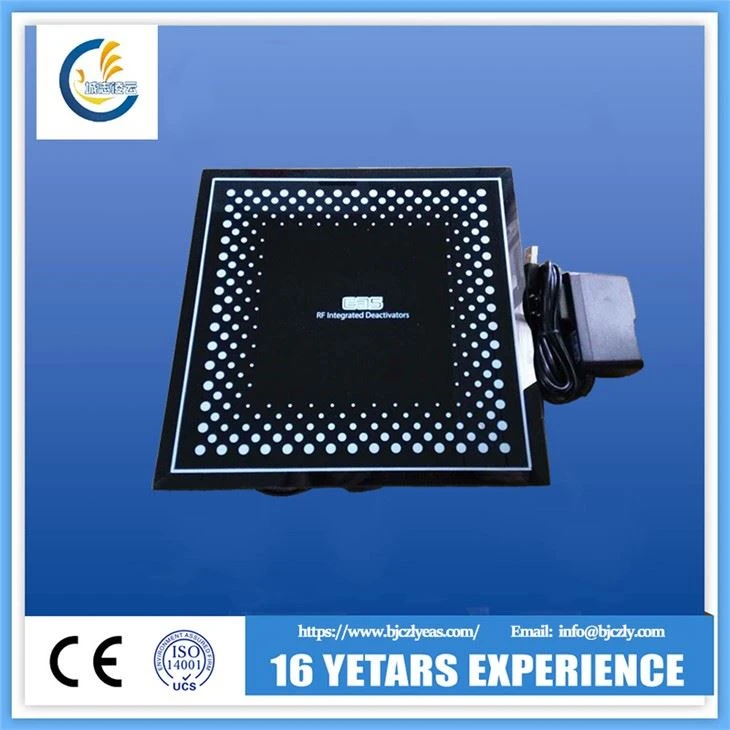
For a small store on a tight budget, the cost of buying and maintaining an RF Deactivator can be a real deterrent. They might have to cut corners in other areas of their business to afford it. And if the deactivator doesn't work as expected, it's like throwing money down the drain.
False Alarms
False alarms are another big issue with RF Deactivators. Sometimes, the deactivator might not fully deactivate a tag, or it could accidentally re - activate a deactivated tag. When a customer walks through the exit with an active tag, the alarm goes off, even though they haven't stolen anything.
False alarms can be embarrassing for the customers and time - consuming for the store staff. They have to stop what they're doing, check the customer's items, and figure out why the alarm went off. It also creates a negative shopping experience for the customers, which can lead to them taking their business elsewhere.
Training Requirements
Properly using an RF Deactivator requires some training. Store staff need to know how to operate the deactivator correctly, how to troubleshoot minor issues, and how to handle situations where the deactivator doesn't work as expected.
I've been to stores where the staff was not adequately trained on using the deactivator. They would place the items in the wrong position, or they wouldn't wait long enough for the deactivation process to complete. This led to a high rate of tags not being deactivated and a lot of frustration for everyone involved.
Security Risks
While RF Deactivators are designed to prevent theft, they can also pose a security risk if not used correctly. If a dishonest employee knows how to bypass the deactivator or if the deactivator is not properly secured, it could be used to steal items from the store.
For example, an employee could use the deactivator to deactivate tags on items they want to steal. Or, if the deactivator is left unattended in an accessible area, a thief could use it to deactivate tags on items in the store. This is a serious concern that store owners need to be aware of.
Environmental Sensitivity
RF Deactivators are sensitive to environmental conditions. Extreme temperatures, humidity, and electromagnetic fields can all affect their performance. In a hot and humid environment, the internal components of the deactivator might overheat or corrode, leading to malfunctions.
I had a store in a coastal area that had problems with their deactivator. The high humidity and salt in the air were causing the deactivator to break down. They had to take extra precautions, like using dehumidifiers and protective covers, to keep the deactivator working properly.
Limited Flexibility
RF Deactivators are often designed for a specific type of retail environment. They might not be suitable for all types of stores or all types of merchandise. For example, a deactivator that works well in a clothing store might not be effective in a grocery store, where the items are often smaller and more densely packed.
If a store wants to expand its product range or change its layout, they might find that their existing deactivator is no longer suitable. They would then have to invest in a new deactivator, which is an additional cost and a hassle.
Despite these disadvantages, RF Deactivators still have a place in the retail security world. They can be an effective way to prevent theft when used correctly. If you're considering purchasing an RF Deactivator for your store, it's important to weigh these disadvantages against the benefits. And if you have any questions or want to discuss your specific needs, don't hesitate to reach out. We're here to help you make the best decision for your business.
References
- Retail Security Industry Reports
- Interviews with Store Owners and Managers
- Technical Documentation of RF Deactivators