

As a supplier of RF Mono Security Gates, I've had the privilege of working closely with these devices, understanding their capabilities, and exploring their limitations. While RF Mono Security Gates are widely recognized for their effectiveness in preventing theft and enhancing security in various environments, it's essential to be transparent about their disadvantages. This blog post aims to provide an in - depth analysis of the drawbacks associated with RF Mono Security Gates, helping potential customers make informed decisions.
1. Limited Detection Range
One of the primary disadvantages of RF Mono Security Gates is their relatively limited detection range. Unlike some other advanced security systems, RF Mono Security Gates typically have a restricted area within which they can accurately detect the presence of tagged items. This limitation can be a significant issue in large - scale retail stores or warehouses where a wide coverage area is required. For example, in a big - box store with a vast sales floor, multiple RF Mono Security Gates may need to be installed at regular intervals to ensure comprehensive coverage. This not only increases the initial installation cost but also adds to the complexity of the system setup and maintenance.
The limited detection range can also lead to false negatives. If a tagged item passes through the gate at a distance slightly beyond the effective detection range, the system may fail to detect it, allowing potential theft to go unnoticed. This can be a major concern for businesses that rely on these security gates to safeguard their merchandise.
2. Susceptibility to Interference
RF Mono Security Gates operate on radio - frequency technology, which makes them vulnerable to interference from various sources. Electronic devices such as mobile phones, Wi - Fi routers, and other radio - frequency emitting equipment can disrupt the normal operation of the security gates. In a modern retail environment, where there is a high density of electronic devices, this interference can be a persistent problem.
For instance, if a customer walks through the RF Mono Security Gate while using a mobile phone, the phone's radio - frequency signals may interfere with the gate's detection mechanism, causing false alarms. False alarms not only disrupt the normal flow of business but also erode the trust of customers and employees in the security system. Moreover, continuous interference can also lead to the degradation of the gate's performance over time, reducing its reliability and effectiveness.
3. Inability to Differentiate Between Tags
RF Mono Security Gates are generally unable to distinguish between different types of RF tags. This means that all tagged items, regardless of whether they are legitimate merchandise or unauthorized tags, will trigger the alarm when passing through the gate. In some cases, this lack of discrimination can be a problem. For example, if a store uses different types of tags for different product categories or for promotional items that are supposed to be exempt from the security system, the RF Mono Security Gate will not be able to differentiate between them.
This can result in unnecessary alarms and inconvenience for customers and staff. Additionally, it can also make it difficult for store employees to quickly identify the source of the alarm, wasting valuable time and resources. In a high - traffic retail environment, this can lead to long queues at the exit and a negative shopping experience for customers.
4. Maintenance Requirements
RF Mono Security Gates require regular maintenance to ensure their optimal performance. Over time, the components of the gate, such as the antennas and sensors, can wear out or become damaged. Dust, dirt, and other environmental factors can also affect the functionality of the gate. If not properly maintained, the security gate may experience reduced sensitivity or increased false alarm rates.
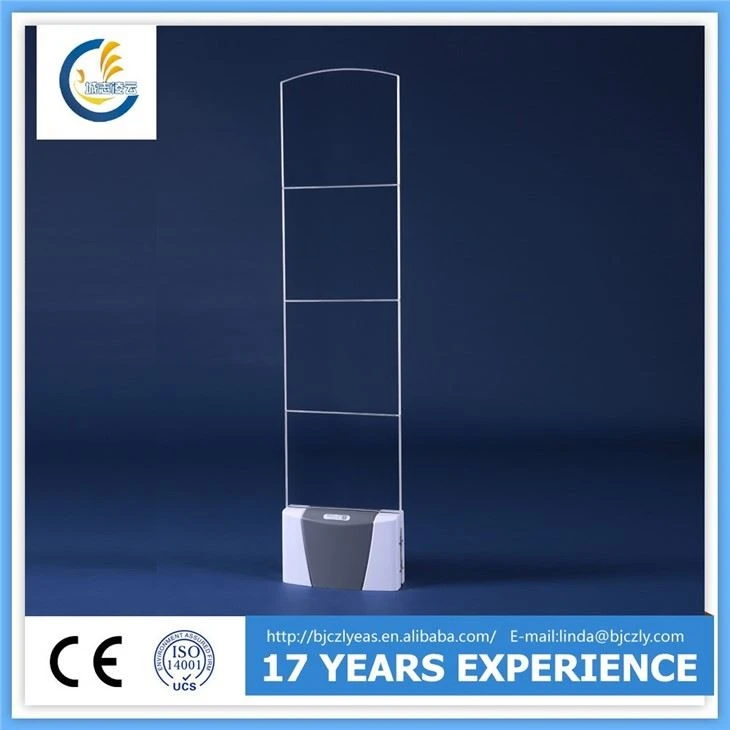
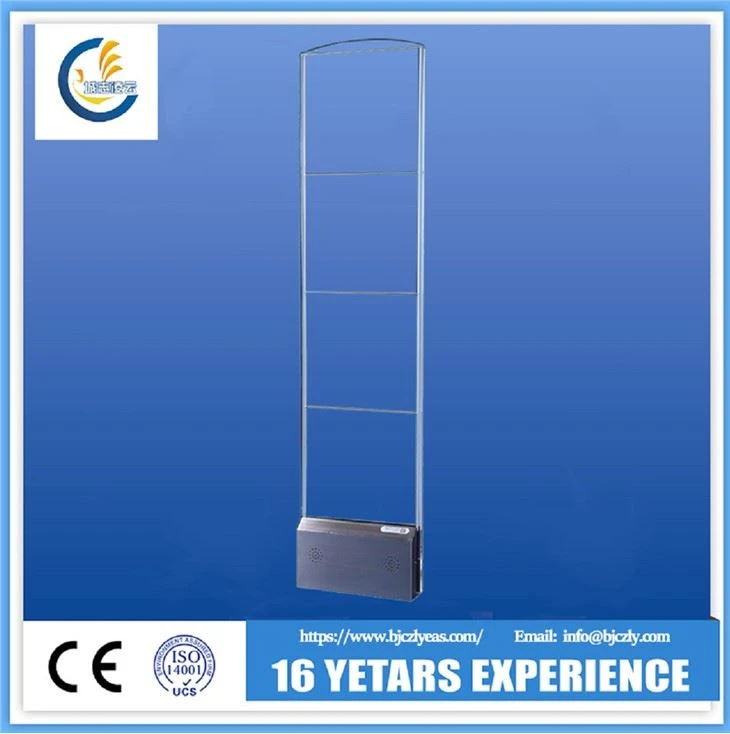
Maintenance tasks include cleaning the sensors, checking the connections, and calibrating the system regularly. These tasks often require specialized knowledge and skills, which may necessitate the hiring of professional technicians. The cost of maintenance can add up over time, especially for businesses with multiple security gates installed. Moreover, during the maintenance process, the security gate may need to be taken out of service, leaving the store vulnerable to theft for a certain period.
5. Tagging Limitations
The effectiveness of RF Mono Security Gates is highly dependent on the proper tagging of merchandise. However, tagging can be a challenging and time - consuming process. Some products may be difficult to tag due to their size, shape, or material. For example, small items or items with irregular surfaces may not be suitable for traditional RF tags.
In addition, if the tags are not placed correctly on the merchandise, the security gate may not be able to detect them accurately. This can lead to false negatives and undermine the security of the store. Furthermore, the cost of tags can also be a significant factor. Businesses need to purchase a large number of tags to cover all their merchandise, which can increase the overall cost of implementing the security system.
6. Compatibility Issues
RF Mono Security Gates may face compatibility issues with other security systems or technologies. In today's integrated security environment, businesses often use multiple security solutions, such as CCTV cameras, access control systems, and alarm monitoring services. However, RF Mono Security Gates may not be fully compatible with these other systems, making it difficult to create a seamless security network.
For example, the data generated by the RF Mono Security Gate may not be easily integrated with the existing security management software, preventing real - time monitoring and analysis. This lack of compatibility can limit the overall effectiveness of the security system and make it more difficult for businesses to manage and respond to security incidents.
Addressing the Disadvantages
Despite these disadvantages, it's important to note that many of these issues can be mitigated with proper planning and implementation. For example, to address the limited detection range, businesses can carefully plan the placement of RF Mono Security Gates and use additional sensors or technologies to extend the coverage area. To reduce the susceptibility to interference, the security gates can be installed in areas with minimal electronic device interference or shielded using special materials.
Moreover, advancements in technology are constantly improving the performance of RF Mono Security Gates. Newer models may have better interference - resistant capabilities, improved tag discrimination, and more user - friendly maintenance features.
If you are considering implementing an RF Mono Security Gate system for your business, it's crucial to understand these disadvantages and weigh them against the benefits. We offer a range of high - quality RF Acrylic Mono System and RF Acrylic Sensor products that are designed to minimize these drawbacks. Our EAS RF Security System Products are backed by our commitment to providing excellent customer service and technical support.
We understand that every business has unique security needs, and we are here to help you find the best solution for your specific requirements. Whether you have questions about our products, need assistance with installation, or want to discuss how to overcome the potential disadvantages of RF Mono Security Gates, our team of experts is ready to assist you. We invite you to contact us to start a conversation about your security needs and explore how our products can enhance the security of your business.
References
- "Radio - Frequency Identification (RFID) and Electronic Article Surveillance (EAS) Systems: A Comparative Analysis" - Journal of Security Technology
- "Challenges and Solutions in Implementing RF - Based Security Systems" - International Journal of Retail Security
- "The Impact of Interference on RF Security Gates" - Proceedings of the Security Technology Conference