

Hey there! As a supplier of the EAS RF Mono System, I'm super stoked to chat with you about the requirements for using this awesome tech in museums. It's a game - changer when it comes to protecting precious artifacts and ensuring a smooth museum experience.
Understanding the EAS RF Mono System
First off, let's quickly go over what the EAS RF Mono System is. It's an Electronic Article Surveillance system that uses Radio Frequency (RF) technology. The "Mono" part means it's a single - frequency system. This system works by having tags attached to the items you want to protect. When an item with an active tag passes through the detection antennas, an alarm goes off, alerting museum staff.
Physical Space Requirements
Museums come in all shapes and sizes, but there are some general physical space requirements for installing the EAS RF Mono System.
Antenna Placement
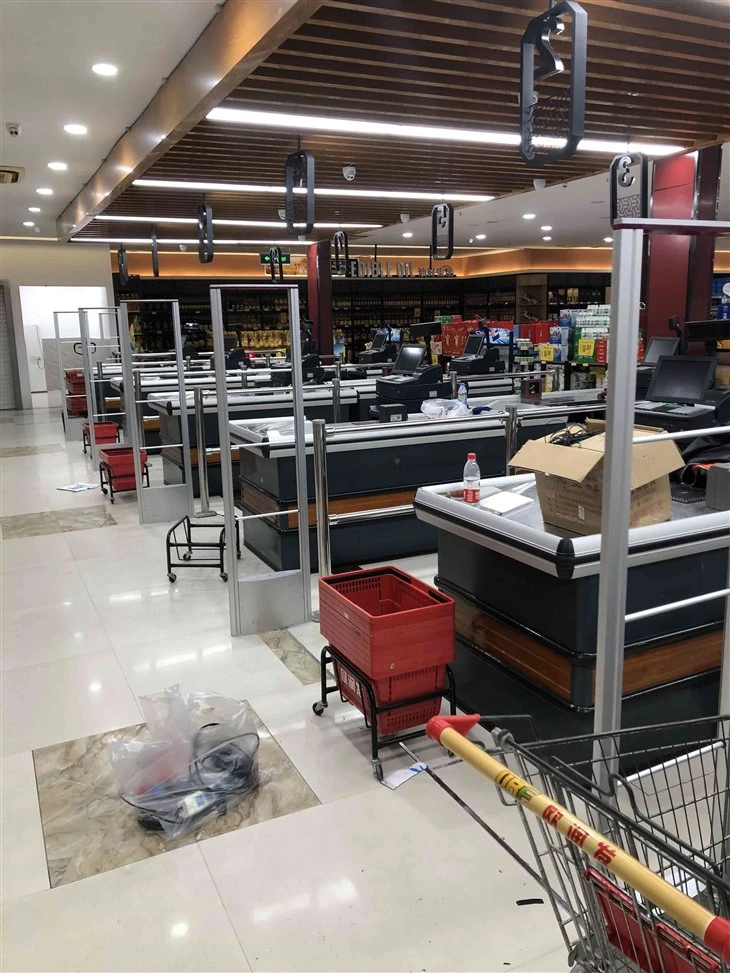
The RF 8.2Mhz aluminum MONO antenna [/eas-system/eas-rf-system/eas-rf-mono-system.html] needs to be placed at the entrances and exits of the museum galleries or the entire museum. You gotta make sure there's enough space between the two antennas. Usually, a distance of around 3 - 4 feet is ideal. This allows for a clear detection zone without any interference.
The antennas should be mounted on sturdy walls or columns. If the museum has a modern, open - plan design with glass partitions, special mounting brackets can be used to attach the antennas to the glass. But you have to ensure that the glass doesn't block or distort the RF signals.
Clearance Around Antennas
There should be no large metal objects or electronic devices near the antennas. Metal can reflect and absorb RF signals, which can reduce the system's effectiveness. So, keep things like metal display cases, large electrical appliances, and even metal - framed artworks at least a couple of feet away from the antennas.
Environmental Requirements
The environment in a museum can have a big impact on the performance of the EAS RF Mono System.
Temperature and Humidity
Museums usually maintain a stable temperature and humidity to preserve the artifacts. The EAS RF Mono System also likes a stable environment. It works best in temperatures between 50°F - 85°F (10°C - 29°C) and a relative humidity of 30% - 70%. Extreme temperatures and high humidity can damage the tags and the antennas over time.

Lighting
Some types of lighting, especially fluorescent lights, can emit electromagnetic interference. This interference can mess with the RF signals of the EAS system. If your museum uses fluorescent lights, you might need to install shielding around the antennas or switch to LED lights, which produce less interference.
Staff Training Requirements
Your museum staff plays a crucial role in the successful operation of the EAS RF Mono System.
System Operation
Staff members need to be trained on how to operate the system. This includes turning the system on and off, checking the status of the antennas, and handling false alarms. They should know how to deactivate the tags when an item is being moved for legitimate reasons, like for cleaning or a special exhibition.
Tag Placement
When new artifacts are added to the collection, staff need to know how to properly attach the tags. The tags should be placed in a way that they're not easily visible or removable by visitors. For small items, the tags can be attached to the back or bottom. For larger items, they can be hidden inside the packaging or attached to an inconspicuous part of the object.
Compatibility Requirements
The EAS RF Mono System should be compatible with other security systems in the museum.
Integration with CCTV
It's a great idea to integrate the EAS system with the museum's CCTV cameras. When an alarm goes off, the CCTV can automatically start recording the area around the antennas. This provides valuable evidence in case of a theft or unauthorized removal of an item.
Compatibility with Access Control Systems
If your museum has an access control system, the EAS RF Mono System should be able to work in harmony with it. For example, when a staff member enters with a valid access card, the EAS system should recognize that the person is authorized and not trigger a false alarm.
Tag Management Requirements
Managing the tags is an important part of using the EAS RF Mono System.
Tag Inventory
You need to keep an accurate inventory of all the tags. This includes information like the tag ID, the item it's attached to, and the date it was installed. This inventory helps you track the tags and ensures that all items are properly protected.
Tag Maintenance
Tags need to be checked regularly for damage or low battery (if they're battery - powered). Damaged tags should be replaced immediately to avoid false alarms or undetected thefts.
Different System Options
We also offer other related systems that might be a good fit for your museum. The 8.2MHZ Auminium Dual System [/eas-system/eas-rf-system/eas-rf-dual-system.html] provides an extra layer of security. It uses two frequencies, which can reduce false alarms and increase the detection accuracy.
The RF Acrylic Mono System [/eas-system/eas-rf-system/rf-acrylic-mono-system.html] is a great option if you're looking for a more aesthetically pleasing solution. The acrylic antennas blend in better with modern museum interiors.
Wrapping It Up and Reaching Out
So, there you have it - all the requirements for using the EAS RF Mono System in museums. From physical space and environmental factors to staff training and tag management, every aspect plays a vital role in ensuring the system works effectively.
If you're interested in implementing the EAS RF Mono System or any of our other EAS solutions in your museum, we'd love to have a chat. We can provide a free consultation and a customized plan based on your museum's specific needs. Don't hesitate to reach out and start the conversation about protecting your precious artifacts with top - notch security technology.
References
- Museum Security Handbook, Various Authors
- Electronic Article Surveillance: Principles and Applications, Industry Experts