

In the ever - evolving landscape of retail security, AM Deactivators have emerged as a crucial tool for businesses aiming to protect their assets while ensuring a seamless customer experience. As a prominent supplier of AM Deactivators, I am excited to delve into what these devices are, how they work, and their significance in the modern retail environment.
What is an AM Deactivator?
AM stands for Acousto - Magnetic, a technology widely used in Electronic Article Surveillance (EAS) systems. An AM Deactivator is a device designed to neutralize or deactivate the acousto - magnetic security tags attached to merchandise. These tags are small, often thin, and can be attached to various products, from clothing and electronics to household items.
The basic principle behind an AM Deactivator is to expose the acousto - magnetic tag to a specific magnetic field. When the tag passes through this field, the internal components of the tag are realigned in such a way that they no longer produce the characteristic signal that triggers the EAS alarm at the store exit. This allows customers to leave the store with their purchased items without setting off false alarms.
How Does an AM Deactivator Work?
AM tags are made up of a ferromagnetic strip and a resonator. When an AM tag is exposed to an external magnetic field, the ferromagnetic strip becomes magnetized. The resonator, which has a specific resonant frequency, starts to vibrate at this frequency. When an EAS detection system emits a magnetic field at the same resonant frequency, the vibrating tag causes a change in the magnetic field, which is detected by the system, triggering an alarm.
An AM Deactivator works by generating a strong, precisely calibrated magnetic field. When a tagged item is placed within this field, the magnetic alignment of the ferromagnetic strip in the tag is disrupted. This change in alignment prevents the tag from vibrating at the resonant frequency, effectively deactivating it. The deactivation process is quick and efficient, usually taking only a fraction of a second.
Types of AM Deactivators
There are several types of AM Deactivators available in the market, each designed to meet different retail needs.
Soft Label Deactivator
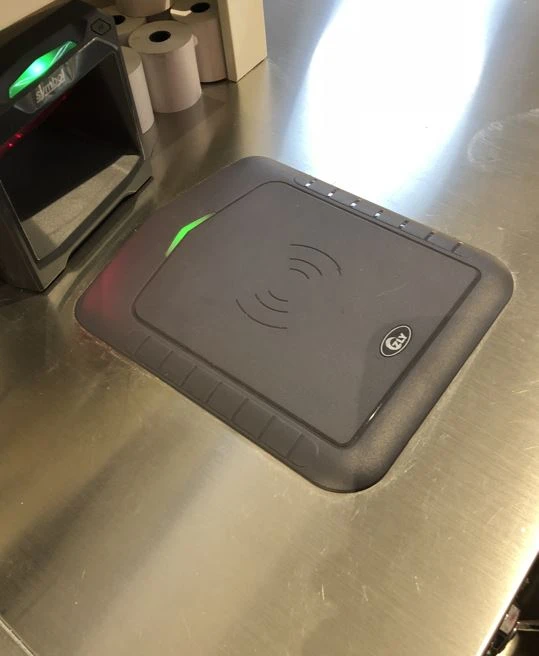
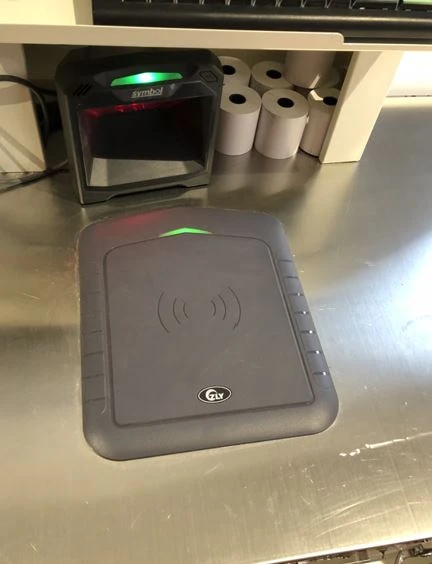
The soft label deactivate is specifically designed to deactivate soft, paper - like AM tags. These tags are often used on clothing, linens, and other lightweight items. Soft label deactivators are typically compact and easy to use, making them ideal for small to medium - sized retail stores. They can be placed on the sales counter for quick and convenient deactivation during the checkout process.
All - in - one AM Deactivator 58KHZ
The All - in - one AM Deactivator 58KHZ is a more advanced and versatile option. It operates at a frequency of 58KHZ, which is a standard frequency for many AM EAS systems. This type of deactivator is suitable for larger retail stores with high - volume sales. It can deactivate a wide range of AM tags, including both soft labels and hard tags. Some all - in - one deactivators also come with built - in power supplies, making them easy to install and operate.
Supermarket Anti - theft 58KHZ AM Deactivator
The Supermarket Anti - theft 58KHZ AM Deactivator is tailored to the specific needs of supermarkets. Supermarkets deal with a large variety of products, from groceries to household goods, all of which may be tagged with AM security tags. This deactivator is designed to handle high - volume deactivation, with a large deactivation area and fast processing speed. It can be integrated into the supermarket's checkout system for seamless operation.
Benefits of Using an AM Deactivator
Reduced Theft
The primary benefit of using an AM Deactivator is the significant reduction in theft. By deactivating tags on purchased items, retailers can ensure that only non - purchased, tagged items trigger the EAS alarm. This acts as a strong deterrent to shoplifters, as the risk of getting caught is much higher.
Improved Customer Experience
False alarms can be a major annoyance for customers. They can cause embarrassment and frustration, leading to a negative shopping experience. An AM Deactivator helps to eliminate false alarms, ensuring that customers can leave the store smoothly. This improves customer satisfaction and loyalty, which is crucial for the long - term success of any retail business.
Cost - Effective
Investing in an AM Deactivator is a cost - effective solution for retail security. The cost of the deactivator is relatively low compared to the potential losses due to theft. Additionally, the efficiency of the deactivation process reduces the time and labor required at the checkout counter, further saving costs.
Considerations When Choosing an AM Deactivator
Compatibility
It is essential to choose an AM Deactivator that is compatible with your existing EAS system. Different EAS systems may use different frequencies and tag types, so make sure the deactivator can work with the tags and detection system you have in place.
Durability
Retail environments can be harsh, with high - volume use and potential for accidental damage. Choose a deactivator that is built to last, with a sturdy construction and reliable components.
Ease of Use
The deactivator should be easy to operate, especially for sales staff who may be handling multiple transactions in a short period. Look for features such as clear indicators, simple controls, and quick deactivation times.
Conclusion
As a supplier of AM Deactivators, I understand the importance of these devices in the retail industry. They play a vital role in protecting retail assets, improving the customer experience, and ensuring the smooth operation of retail stores. Whether you are a small boutique or a large supermarket, there is an AM Deactivator that can meet your specific needs.
If you are interested in learning more about our AM Deactivators or are looking to make a purchase, I encourage you to reach out for a detailed discussion. We are committed to providing high - quality products and excellent customer service. Our team of experts can help you choose the right deactivator for your business and provide support throughout the installation and operation process.
References
- Electronic Article Surveillance: Technologies and Applications. Wiley - IEEE Press.
- Retail Loss Prevention: Strategies and Best Practices. Palgrave Macmillan.