

As a leading EAS Tag supplier, I've witnessed firsthand the critical role these devices play in modern retail security. EAS, or Electronic Article Surveillance, tags are the unsung heroes of the retail world, quietly protecting merchandise from theft and safeguarding the bottom line of businesses. But one question that often arises is: What is the accuracy of EAS Tag detection?
Understanding EAS Tag Technology
Before delving into the accuracy of EAS tag detection, it's essential to understand how these devices work. EAS tags operate on the principle of electromagnetic fields. There are several types of EAS technologies, including radio frequency (RF), acousto - magnetic (AM), and microwave. Each technology has its unique characteristics, but they all share the common goal of detecting when an unauthorized item leaves the store.
RF EAS systems use radio frequency signals to communicate between the tag and the detection antennas. These tags are relatively inexpensive and can be used on a wide range of products. AM EAS systems, on the other hand, utilize acousto - magnetic technology, which offers a higher level of detection accuracy and is less prone to false alarms. Microwave EAS systems use microwave frequencies for detection and are often used in high - end retail environments.

Factors Affecting EAS Tag Detection Accuracy
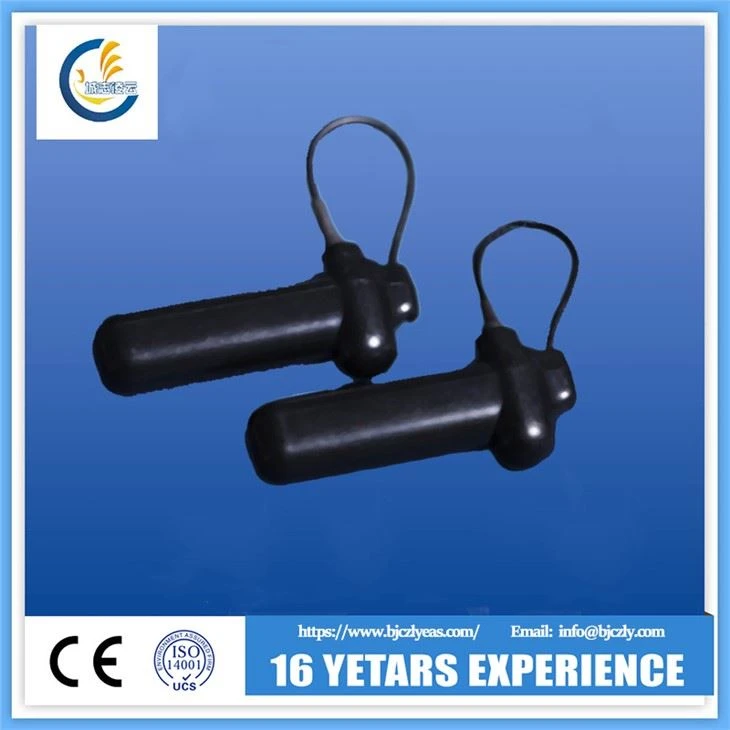
The accuracy of EAS tag detection is influenced by several factors. Firstly, the quality of the EAS tags themselves plays a significant role. High - quality tags are more likely to be detected accurately. At our company, we ensure that all our tags, such as the Lanyard Hard Tag, are manufactured to the highest standards. We use advanced materials and precision manufacturing processes to guarantee reliable performance.
Secondly, the placement of the detection antennas is crucial. Antennas need to be installed correctly to create a strong and consistent electromagnetic field. If the antennas are misaligned or installed in an area with interference, the detection accuracy can be compromised. For example, metal shelves or large electronic devices near the antennas can disrupt the electromagnetic field and lead to false negatives or false positives.
The environment in which the EAS system operates also affects accuracy. A busy retail store with a lot of customer traffic and movement can create challenges for detection. People carrying mobile phones, keys, or other metal objects can cause interference. Additionally, the presence of multiple tags in close proximity can sometimes lead to signal interference, reducing the accuracy of detection.
Measuring EAS Tag Detection Accuracy
To measure the accuracy of EAS tag detection, we typically look at two key metrics: the detection rate and the false alarm rate. The detection rate refers to the percentage of tagged items that are successfully detected as they pass through the detection zone. A high detection rate is essential for effective theft prevention. Our EAS Spider Net Tag has been rigorously tested to achieve a very high detection rate, ensuring that the vast majority of tagged items are detected.
The false alarm rate, on the other hand, is the percentage of times that the EAS system triggers an alarm when there is no actual theft taking place. A low false alarm rate is crucial to avoid annoying customers and staff. Our EAS systems are designed with advanced algorithms and filtering mechanisms to minimize false alarms. For instance, the EAS Anti - theft Alarming Tag Spider Wrap uses intelligent technology to distinguish between legitimate and unauthorized movements, reducing the likelihood of false alarms.
Improving EAS Tag Detection Accuracy
There are several ways to improve the accuracy of EAS tag detection. Regular maintenance of the EAS system is essential. This includes checking the antennas for proper alignment, cleaning the detection zones, and replacing any worn - out or damaged tags. Training store staff on the proper use of the EAS system is also crucial. Staff should be aware of how to handle tagged items correctly and how to troubleshoot minor issues.
Upgrading to the latest EAS technology can also significantly improve accuracy. Newer systems often incorporate advanced features such as better signal processing, enhanced filtering, and improved sensitivity. For example, some of our latest EAS tags use machine learning algorithms to adapt to different store environments and reduce false alarms.
Real - World Applications and Case Studies
In real - world retail environments, the accuracy of EAS tag detection has a direct impact on business performance. A study conducted by a major retail chain found that after upgrading their EAS system to our high - accuracy tags, they saw a significant reduction in theft losses. The detection rate increased from 90% to 98%, and the false alarm rate decreased by 30%. This not only saved the company money but also improved the shopping experience for customers.
Another case study involved a small boutique that was struggling with theft. By installing our Lanyard Hard Tag and a state - of - the - art EAS system, they were able to reduce theft by over 50%. The accurate detection of tagged items deterred potential thieves, and the low false alarm rate ensured that customers were not inconvenienced.
Conclusion
In conclusion, the accuracy of EAS tag detection is a complex but crucial aspect of retail security. While there are several factors that can affect accuracy, with high - quality tags, proper installation, and regular maintenance, it is possible to achieve a very high level of detection accuracy and a low false alarm rate.
As a trusted EAS Tag supplier, we are committed to providing our customers with the best - in - class products and solutions. Our tags, such as the Lanyard Hard Tag, EAS Spider Net Tag, and EAS Anti - theft Alarming Tag Spider Wrap, are designed to meet the highest standards of accuracy and reliability.
If you are interested in learning more about how our EAS tags can improve the security of your retail business, we invite you to contact us for a consultation. Our team of experts will be happy to discuss your specific needs and provide you with a customized solution.
References
- Retail Loss Prevention Journal, "The Impact of EAS Technology on Retail Theft Reduction"
- International Journal of Retail Security, "Factors Affecting the Accuracy of EAS Tag Detection"
- Security Today Magazine, "Best Practices for Improving EAS System Performance"