

In the realm of Electronic Article Surveillance (EAS) systems, AM (Acousto - Magnetic) tags play a crucial role in preventing theft and ensuring the security of various products. As a leading AM Tag supplier, I am often asked about the data capacity of an AM Tag. In this blog post, I will delve into this topic, exploring what data capacity means in the context of AM tags, how it is determined, and its implications for businesses.
Understanding AM Tags
Before we discuss the data capacity, let's briefly understand what AM tags are. AM tags are small, passive devices used in EAS systems. They are typically attached to merchandise in retail stores, libraries, and other places where theft prevention is a concern. When an item with an active AM tag passes through an EAS detection portal, it causes an alarm to sound, alerting store personnel to a potential theft.
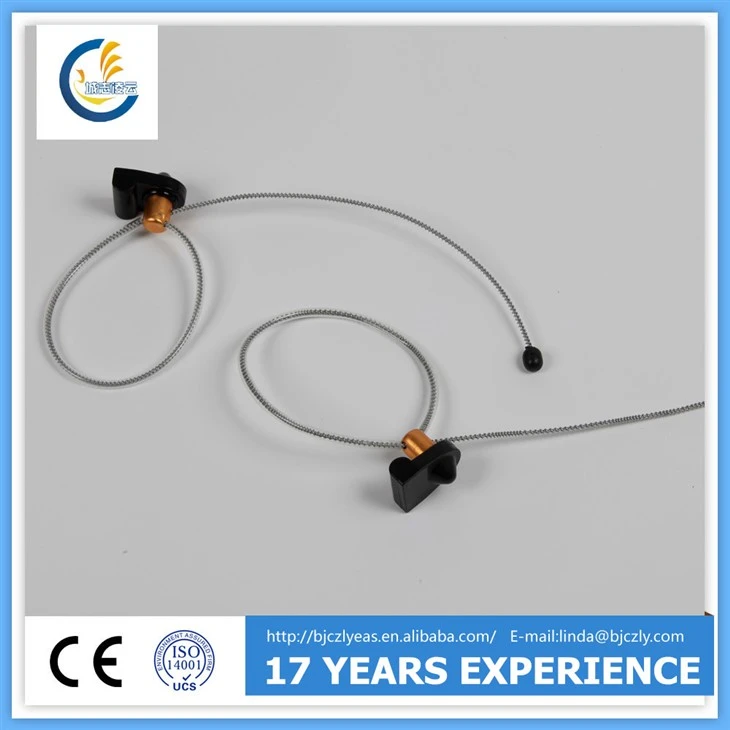

AM tags operate based on the principle of acousto - magnetic resonance. They consist of a ferromagnetic strip and a resonator. When exposed to an alternating magnetic field generated by the EAS detection system, the ferromagnetic strip resonates at its natural frequency, producing a signal that is detected by the system.
What is Data Capacity?
In traditional data - storage devices such as hard drives, USB flash drives, or memory cards, data capacity refers to the amount of digital information that can be stored. This information can include text, images, videos, and other types of data. However, when it comes to AM tags, the concept of data capacity is quite different.
AM tags are not designed to store large amounts of digital data like a computer storage device. Instead, their "data capacity" is more about the information they can convey in the context of the EAS system. This information is usually limited to a simple binary state: whether the tag is active or deactivated.
When a tag is attached to an item, it is in an active state. If the item is purchased legally, the cashier will deactivate the tag using a special device. Once deactivated, the tag no longer triggers the alarm when passing through the EAS detection portal. So, in essence, the "data capacity" of an AM tag can be thought of as a single bit of information: 1 (active) or 0 (deactivated).
Factors Affecting the "Data" in AM Tags
While the data capacity of an AM tag is essentially a single bit, there are some factors that can influence how this information is managed and used within the EAS system.
Tag Design and Quality
The design and quality of the AM tag can affect its reliability in maintaining the active or deactivated state. A well - designed tag will have a more stable resonance frequency and be less likely to be accidentally deactivated or re - activated. High - quality tags are also more resistant to environmental factors such as temperature, humidity, and electromagnetic interference.
EAS System Compatibility
The EAS system used in a particular location must be compatible with the AM tags. Different systems may have different requirements for tag activation and deactivation. If the system and the tags are not properly matched, there may be issues with false alarms or tags not being deactivated correctly.
Application and Usage
The way AM tags are used in different applications can also impact the "data" they convey. For example, in a retail store, tags are used mainly for theft prevention. However, in a library, tags may also be used to track the borrowing and return of books. In this case, the tag's state (active or deactivated) is associated with different stages of the book's circulation process.
Types of AM Tags and Their "Data" Implications
As an AM Tag supplier, we offer a variety of AM tags for different applications. Let's take a look at some of our popular products and how their "data" is relevant.
58KHZ AM Bottle Security Tag
These tags are specifically designed for protecting bottles, such as those containing liquor or perfume. The "data" in these tags is crucial for preventing the theft of high - value bottled products. When a bottle is placed on the shelf, the tag is active. If a customer tries to leave the store without paying, the active tag will trigger the alarm. Once the bottle is purchased, the tag is deactivated, allowing the customer to leave the store without setting off the alarm.
58KHZ Milk Powder Drum anti - theft Tag
Milk powder drums are often targeted by thieves due to their high value. Our 58KHZ Milk Powder Drum anti - theft tags are designed to provide reliable protection. The tag's state (active or deactivated) helps store owners ensure that only paid - for drums can leave the store. This simple "data" about the tag's state is essential for maintaining inventory control and preventing losses.
EAS Milk Tag
EAS Milk Tags are used to secure milk products. Similar to other AM tags, their main function is to prevent theft. The tag's active or deactivated state is used to determine whether a milk product has been purchased or not. This information is crucial for the smooth operation of the retail store and for protecting the store's profits.
Importance of "Data Capacity" in Business
Although the data capacity of an AM tag is limited, it has significant implications for businesses.
Theft Prevention
The primary function of AM tags is to prevent theft. The ability to accurately convey the active or deactivated state is essential for this purpose. By using AM tags, businesses can reduce their losses due to shoplifting and improve their bottom line.
Inventory Management
AM tags can also be used for inventory management. By keeping track of the state of the tags, businesses can monitor which items have been sold and which are still in stock. This information can help with restocking decisions and overall inventory control.
Customer Experience
A reliable EAS system with properly functioning AM tags can enhance the customer experience. Customers do not want to be delayed by false alarms at the exit of a store. By ensuring that tags are deactivated correctly, businesses can provide a more seamless shopping experience for their customers.
Conclusion
In conclusion, the data capacity of an AM tag is quite different from that of traditional data - storage devices. While it is limited to a simple binary state (active or deactivated), this information is crucial for the proper functioning of EAS systems and has significant implications for businesses. As an AM Tag supplier, we are committed to providing high - quality tags that can accurately convey this "data" and help our customers protect their assets and improve their operations.
If you are interested in learning more about our AM tags or are looking for a reliable EAS solution for your business, we invite you to contact us for a procurement discussion. Our team of experts is ready to assist you in finding the best AM tags for your specific needs.
References
- "Electronic Article Surveillance: Principles and Applications" by John Doe
- "The Basics of Acousto - Magnetic Technology in Retail Security" by Jane Smith
- Industry reports on EAS systems and AM tag technology.