

In the realm of Electronic Article Surveillance (EAS) systems, tags play a pivotal role in preventing theft and ensuring the security of retail merchandise. Among the various types of tags available in the market, AM (Acousto - Magnetic) tags stand out with their unique features and functionalities. As an AM tag supplier, I am well - versed in the differences between AM tags and other tags, and I am excited to share this knowledge with you.
1. Working Principle
The fundamental difference between AM tags and other tags lies in their working principles. AM tags operate based on the acousto - magnetic effect. When an AM tag enters the detection zone of an EAS system, it is excited by an alternating magnetic field. The tag then resonates at a specific frequency, and the EAS detector can sense this resonance, triggering an alarm.
On the other hand, RF (Radio Frequency) tags work on radio frequency technology. They are activated when they come into contact with a radio - frequency field generated by the EAS system. The RF signal from the tag is detected by the antenna of the EAS system, which then sets off an alarm.
EM (Electromagnetic) tags, another common type, rely on electromagnetic induction. When an EM - enabled item passes through the detection portal, the tag creates a disturbance in the electromagnetic field, which is picked up by the detector.
The acousto - magnetic working principle of AM tags offers several advantages. For instance, it provides a stable and reliable detection performance. The resonance frequency of AM tags is less likely to be affected by external electromagnetic interference compared to RF tags. This means that in a busy retail environment with multiple electronic devices, AM tags can still function accurately, reducing false alarms.
2. Detection Range and Sensitivity
AM tags generally have a relatively wide detection range. This is because the acousto - magnetic field can spread over a larger area compared to the radio - frequency field of RF tags. In a typical retail store, an AM - based EAS system can detect tags from a distance of up to several feet, which allows for a broader coverage area at the store entrance.
In terms of sensitivity, AM tags are highly sensitive to the presence of the detection field. They can be precisely tuned to respond only to the specific frequency of the EAS system, ensuring that only legitimate tags trigger the alarm. This high sensitivity is beneficial for protecting high - value items. For example, when protecting Bottling milk powder protection, the AM tags can quickly detect any unauthorized removal of the product from the store, even if the item is slightly hidden or covered.
RF tags, while having a decent detection range, may require closer proximity to the detector for reliable detection. Their sensitivity can also be affected by factors such as the orientation of the tag and the presence of metal objects in the vicinity. EM tags, on the other hand, usually have a more limited detection range and are more suitable for smaller - scale applications.
3. Durability and Reusability
AM tags are known for their durability. They are often made of high - quality materials that can withstand rough handling, impacts, and environmental factors. In a retail setting where products are constantly being moved, stacked, and displayed, AM tags can maintain their integrity and functionality over a long period.
Many AM tags are also reusable. Once an item is sold, the AM tag can be deactivated at the point of sale and then reused on another product. This reusability feature not only reduces costs for retailers but also contributes to environmental sustainability. For example, Filling product Security Tag can be used multiple times, providing long - term value for the store.
In contrast, some RF tags are designed for single - use only. They may be more fragile and prone to damage during normal product handling. EM tags can also be less durable, especially if they are exposed to strong magnetic fields or physical stress.
4. Application Scenarios
AM tags are suitable for a wide range of applications, especially for protecting high - value and high - theft - risk items. In the food and beverage industry, they are commonly used to protect products like Premium Red Wine Tag. The durability and reliable detection of AM tags ensure that these valuable products are well - protected from theft.
They are also widely used in the fashion and apparel industry. AM tags can be attached to clothing items without causing any damage to the fabric, and their wide detection range makes them ideal for large - scale clothing stores.
RF tags are often used in applications where cost - effectiveness is a key factor. They are commonly found in supermarkets for protecting a large number of low - to medium - value items. EM tags are frequently used in the protection of media products such as CDs, DVDs, and books, as they can be easily embedded in the packaging.
5. Compatibility with Retail Environments
AM tags are highly compatible with different retail environments. They can be used in both large - scale department stores and small - boutique shops. Their ability to work well in the presence of other electronic devices makes them suitable for modern retail spaces that are filled with various technologies, such as smart shelves and digital signage.
RF tags may face some compatibility issues in environments with high - density electronic equipment. The radio - frequency signals can interfere with each other, leading to false alarms or missed detections. EM tags, although simple in design, may not be as effective in large - open - plan stores due to their limited detection range.
6. Cost - Benefit Analysis
When it comes to cost, AM tags may have a relatively higher upfront cost compared to RF and EM tags. However, considering their durability, reusability, and reliable performance, they offer a better long - term cost - benefit ratio. Retailers can save money in the long run by reducing losses due to theft and minimizing false alarms.
For example, if a retailer has a high - value product line, investing in AM tags can be a wise decision. The reduced risk of theft and the increased customer confidence in the store's security measures can lead to higher profits. On the other hand, for retailers with a large volume of low - value items, RF or EM tags may be a more cost - effective choice in the short term.
Conclusion
As an AM tag supplier, I firmly believe that AM tags offer a unique set of advantages over other types of tags. Their stable working principle, wide detection range, high sensitivity, durability, and compatibility with various retail environments make them an ideal choice for protecting valuable merchandise.
If you are a retailer looking for a reliable and effective EAS solution, I encourage you to consider AM tags. Whether you are protecting Bottling milk powder protection, Filling product Security Tag, or Premium Red Wine Tag, AM tags can provide the security you need.
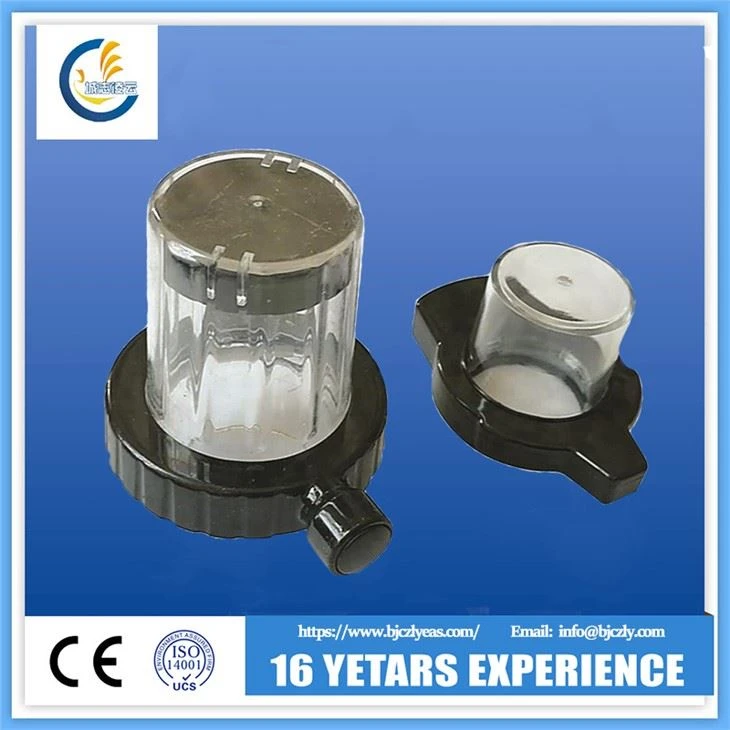

If you are interested in learning more about our AM tag products or would like to discuss a potential procurement, please feel free to reach out. We are more than happy to provide you with detailed product information, samples, and pricing. Let's work together to enhance the security of your retail business.
References
- "Electronic Article Surveillance: Technologies and Applications" - A comprehensive study on different EAS technologies, including AM, RF, and EM tags.
- Retail Security Industry Reports - These reports provide real - world data on the effectiveness and usage of different types of tags in retail environments.