

Yo, what's up everyone! As a supplier of RF Deactivators, I've been getting a lot of questions lately about the electromagnetic compatibility (EMC) of these nifty devices. So, I thought I'd take a few minutes to break it down for you.
First off, let's talk about what RF Deactivators are. These are devices used in the retail industry to deactivate radio - frequency (RF) security tags on products. When a customer buys an item with an RF tag, the cashier uses an RF Deactivator to turn off the tag so it doesn't set off the alarms at the store exit.
Now, onto the big question: what is the electromagnetic compatibility of an RF Deactivator?
Electromagnetic compatibility is all about how well a device can operate in an electromagnetic environment without causing interference to other devices and without being affected by the electromagnetic fields around it. In the case of an RF Deactivator, it needs to work properly in a store full of other electronic devices like cash registers, barcode scanners, and even the security gates themselves.
One of the main aspects of EMC for an RF Deactivator is emissions. These devices emit electromagnetic energy to deactivate the RF tags. But if the emissions are too high or in the wrong frequency range, they can interfere with other electronic equipment. For example, if an RF Deactivator emits a strong signal in the frequency range used by a nearby barcode scanner, it could cause the scanner to malfunction.
To ensure proper EMC, RF Deactivators are designed to emit signals within a specific frequency band. Most RF Deactivators operate at around 8.2 MHz. This frequency is carefully chosen because it's less likely to interfere with other common electronic devices in a retail setting.
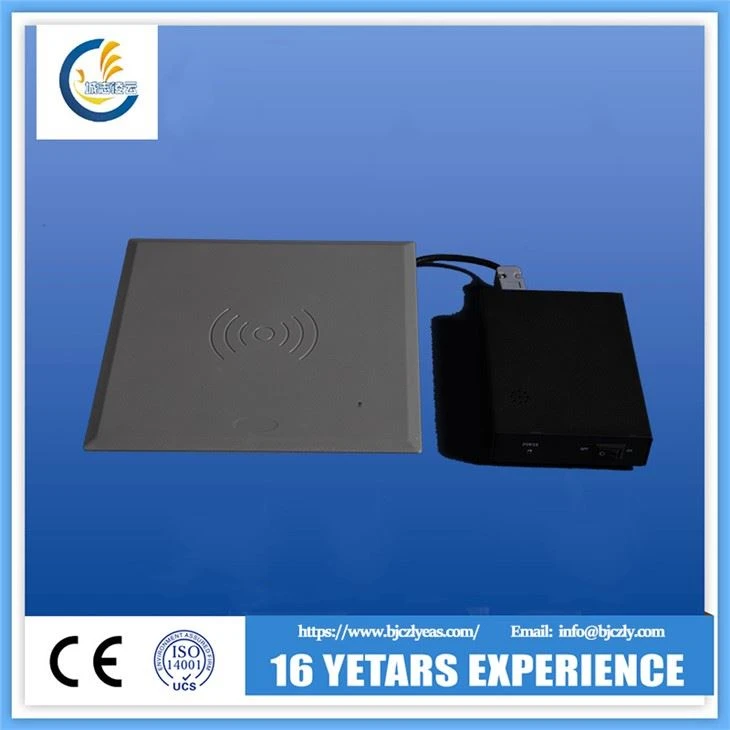
Let's take a look at some of the products we offer. We have the 8.2MJZ RF Label Deactivator All - in - one. This is a great all - in - one solution that's designed to work efficiently while maintaining good electromagnetic compatibility. It's built with advanced technology to keep its emissions within the acceptable range, so you don't have to worry about it causing problems for other equipment in your store.
Another option is the RF 8.2MHZ deactivator. This split - type deactivator is also engineered to meet strict EMC standards. It's perfect for stores that need a more flexible deactivation solution. The split design allows for easy installation and use, and it still manages to keep its electromagnetic emissions in check.
We also have the 8.2Mhz EAS RF Label Deactivator. This device combines the best of both worlds: it's an all - in - one unit that offers reliable deactivation and excellent electromagnetic compatibility.
But it's not just about emissions. An RF Deactivator also needs to be immune to external electromagnetic interference. There are all sorts of electromagnetic fields in a store environment, from the electrical wiring to the wireless signals from mobile phones. An RF Deactivator needs to be able to function properly even when there's a lot of electromagnetic noise around it.
Manufacturers of RF Deactivators use various techniques to improve the device's immunity. For example, they might use shielding materials to protect the internal components from external electromagnetic fields. They also design the internal circuitry in a way that makes it less susceptible to interference.
When it comes to testing for EMC, RF Deactivators go through a series of rigorous tests. These tests measure the emissions of the device and its ability to withstand external interference. Only after passing these tests can a device be considered compliant with EMC standards.
In addition to the technical aspects, EMC is also important from a regulatory perspective. There are international standards and regulations in place to ensure that electronic devices are safe and do not cause excessive electromagnetic interference. By using an RF Deactivator that meets these standards, you can avoid potential legal issues and ensure a smooth operation in your store.
So, if you're in the market for an RF Deactivator, make sure to consider the electromagnetic compatibility of the device. It's not just a technical jargon; it's a crucial factor that can affect the performance of your entire store's electronic system.
If you're interested in learning more about our RF Deactivators or have any questions about electromagnetic compatibility, don't hesitate to reach out. We're here to help you find the best solution for your retail business. Whether you run a small boutique or a large supermarket, we have the right RF Deactivator for you.
Let's work together to keep your store secure and your electronic systems running smoothly! Get in touch with us today to start the conversation about your RF Deactivator needs.
References:

- Industry standards on electromagnetic compatibility for electronic devices
- Technical documentation of RF Deactivators