

As a trusted supplier of Acrylic AM Systems, I often encounter inquiries regarding the maximum temperature these systems can withstand. Understanding this parameter is crucial for ensuring the optimal performance and longevity of the anti - theft devices in various environments. In this blog, we will delve into the scientific aspects of the temperature tolerance of Acrylic AM Systems, discuss the factors influencing it, and provide practical insights for users.
Understanding Acrylic AM Systems
Acrylic AM (Acousto - Magnetic) Systems are widely used in various retail settings, such as clothing stores and supermarkets, for anti - theft purposes. These systems typically consist of an antenna unit and a control unit. The antenna emits an acousto - magnetic field, and when an item with an AM tag passes through this field, an alarm is triggered.
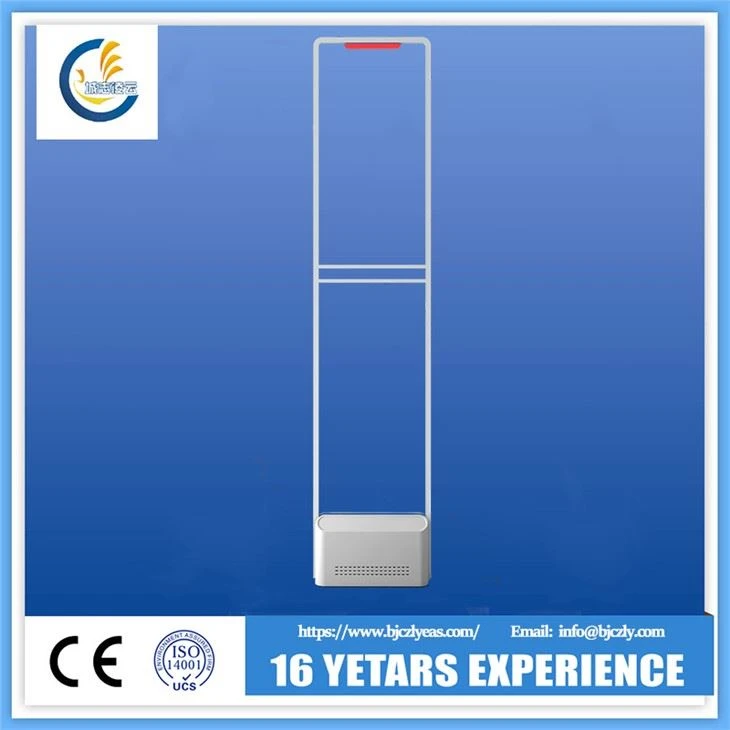
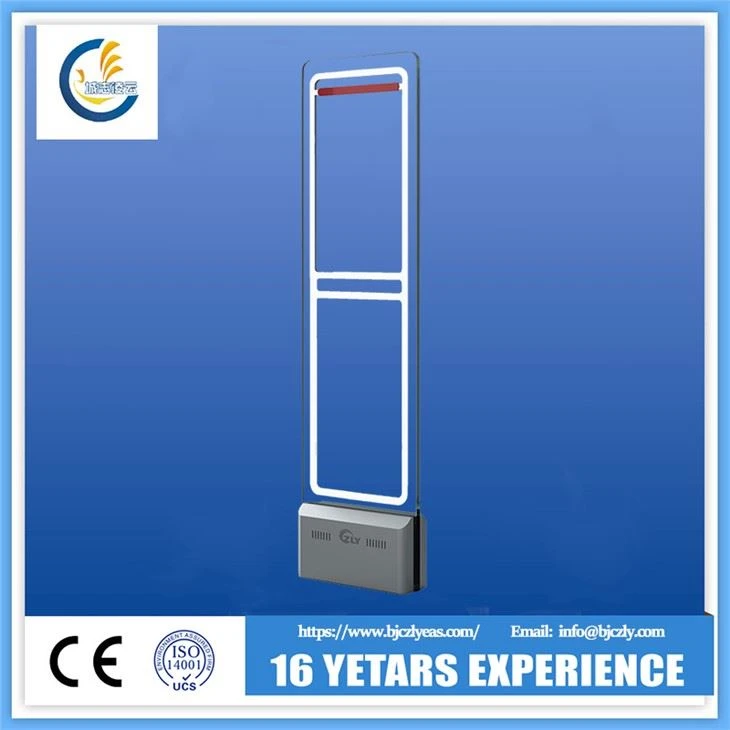
For clothing stores, our EAS AM Security Gate For Clothing Stores is a popular choice. It is designed to blend seamlessly with the store's decor while providing reliable anti - theft protection. The EAS AM Acrylic Antenna is another essential component, which is responsible for generating and detecting the acousto - magnetic signals.
The Science Behind Temperature Tolerance
The maximum temperature that an Acrylic AM System can withstand is determined by the materials used in its construction and the electronic components inside. Acrylic, the primary material for the antenna housing, has its own thermal properties.
Acrylic is a thermoplastic material. It starts to soften at a certain temperature, which is known as the glass transition temperature (Tg). For most acrylics used in our AM systems, the Tg is around 100 - 110°C. However, the actual maximum operating temperature of the Acrylic AM System is lower than the Tg. This is because the electronic components inside the system, such as circuit boards, sensors, and amplifiers, are more sensitive to heat.
Electronic components have their own temperature ratings. For example, many integrated circuits have a maximum operating temperature in the range of 85 - 125°C. If the temperature exceeds this limit, the performance of these components can degrade, leading to false alarms, reduced detection range, or even complete system failure.
Factors Influencing Temperature Tolerance
Environmental Conditions
The ambient temperature in the installation location is the most obvious factor. Stores located in hot climates or areas without proper air - conditioning may expose the Acrylic AM System to higher temperatures. Additionally, direct sunlight can significantly increase the temperature of the system, especially if the antenna is installed near a window.
System Design and Ventilation
The design of the Acrylic AM System also plays a role in its temperature tolerance. A well - designed system will have proper ventilation to dissipate heat. Our EAS AM Acrylic Antenna is designed with ventilation holes to allow air to flow through the antenna housing, reducing the internal temperature.
Usage Patterns
Frequent activation of the system can generate heat. For example, in a busy clothing store where customers are constantly passing through the security gate, the system may experience more heat buildup compared to a store with lower foot traffic.
Testing and Determining the Maximum Temperature
To determine the maximum temperature that our Acrylic AM Systems can withstand, we conduct a series of rigorous tests in our laboratory. We use temperature - controlled chambers to simulate different environmental conditions. The systems are monitored for performance parameters such as detection accuracy, alarm sensitivity, and signal strength at various temperatures.
We start by gradually increasing the temperature in the chamber while keeping other environmental factors constant. We record the temperature at which the system starts to show signs of performance degradation. This temperature is then considered as the maximum operating temperature for practical use.
Practical Recommendations for Users
Installation Location
Choose an installation location away from direct sunlight and heat sources such as radiators or heating vents. In a clothing store, it is advisable to install the EAS AM Security Gate For Clothing Stores in an area with good air circulation.
Temperature Monitoring
Install a temperature sensor near the Acrylic AM System to monitor the ambient temperature. If the temperature approaches the maximum operating temperature, take immediate action to cool down the environment, such as turning on the air - conditioning or adjusting the ventilation.
Regular Maintenance
Regularly clean the ventilation holes of the antenna to ensure proper air flow. Check the system for any signs of overheating, such as a burning smell or discoloration of the acrylic housing.
Supermarket Applications and Temperature Considerations
In supermarkets, the Acrylic AM System may face unique temperature challenges. The large open spaces and high foot traffic can lead to rapid temperature changes. Our Supermarket anti - theft mobile phone debugging solution is designed to be more robust in such environments. However, it is still important to maintain the temperature within the recommended range.
Conclusion
In conclusion, the maximum temperature that an Acrylic AM System can withstand is a complex parameter influenced by multiple factors. While the acrylic material can tolerate relatively high temperatures, the electronic components inside the system are more sensitive. Through rigorous testing, we have determined the maximum operating temperature for our systems to ensure reliable performance.
If you are considering purchasing an Acrylic AM System for your store, whether it is a clothing store or a supermarket, understanding the temperature tolerance is essential. It will help you choose the right installation location, maintain the system properly, and ensure its long - term functionality.
We are always here to provide you with the best solutions and support. If you have any questions or are interested in our Acrylic AM Systems, please feel free to contact us for procurement and further discussions.
References
- "Thermoplastics: Properties and Applications", Polymer Science Handbook, 3rd Edition
- Electronic Component Datasheets, Various Manufacturers
- Internal Testing Reports, Our Company