

As a supplier of AM (Acousto-Magnetic) Tags, I often receive inquiries from customers about various aspects of our products. One of the frequently asked questions is about the operating temperature range of an AM Tag. Understanding this parameter is crucial as it directly impacts the performance and reliability of the tags in different environments.
The Basics of AM Tags
Before delving into the operating temperature range, let's briefly understand what AM Tags are. AM Tags are a type of Electronic Article Surveillance (EAS) tags widely used in retail stores to prevent theft. These tags work on the principle of acousto - magnetic resonance. When an active AM Tag passes through an AM detection system at the store exit, it causes a resonance that triggers an alarm, alerting store staff to a potential theft.
We offer a variety of AM Tags to meet different customer needs, including the AM Pencil Tag, Commodity Hard Tag, and Premium Red Wine Tag. Each of these tags has unique features and is designed for specific applications.
Importance of Operating Temperature Range
The operating temperature range of an AM Tag is the range of temperatures within which the tag can function properly. Outside this range, the performance of the tag may be compromised. For example, in extremely cold temperatures, the physical properties of the materials used in the tag may change, affecting its resonance characteristics and thus reducing its ability to trigger the alarm. On the other hand, in very high temperatures, the tag may experience thermal stress, which can also lead to malfunction.
Retailers operate in diverse environments. Some stores are located in regions with harsh climates, such as extremely cold winters or scorching summers. Others may have specific storage or display conditions. For instance, a wine cellar where our Premium Red Wine Tag is used may have a relatively low and stable temperature. Therefore, knowing the operating temperature range of the AM Tags is essential for retailers to ensure that the EAS system works effectively at all times.
Typical Operating Temperature Range of AM Tags
The typical operating temperature range for most of our AM Tags is between -20°C to 60°C (-4°F to 140°F). This range is carefully determined through extensive research and testing to ensure the tags can perform reliably in a wide variety of environments.
In the lower end of the temperature spectrum, at around -20°C, the materials in the AM Tag are designed to maintain their structural integrity and magnetic properties. However, as the temperature drops further, the performance may start to degrade. For example, the elasticity of the plastic components in the tag may decrease, which could potentially affect the internal alignment of the magnetic elements.
At the upper end of the range, around 60°C, the tag is engineered to withstand the heat without significant damage. High temperatures can cause the materials to expand, and if the tag is not properly designed, this expansion could lead to internal short - circuits or other malfunctions. Our tags are constructed using heat - resistant materials and have a robust internal structure to prevent such issues.
Impact of Temperature on Tag Performance
Cold Temperatures
When the temperature approaches the lower limit of the operating range, the magnetic properties of the tag may change. The magnetic field generated by the tag becomes weaker, which means that the resonance with the detection system may be less pronounced. As a result, the detection range of the tag may decrease, and there is a higher risk of false negatives (the tag passing through the detection system without triggering an alarm).
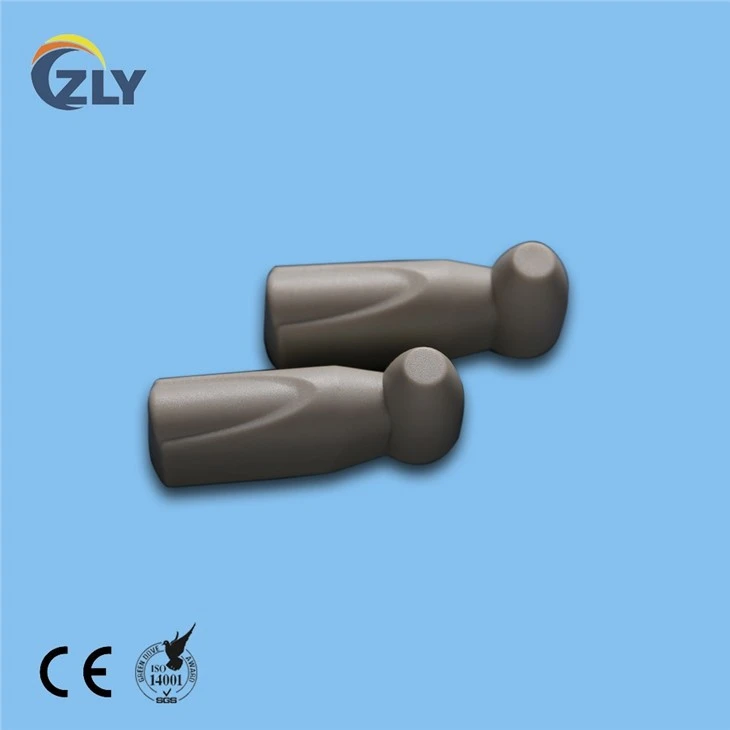
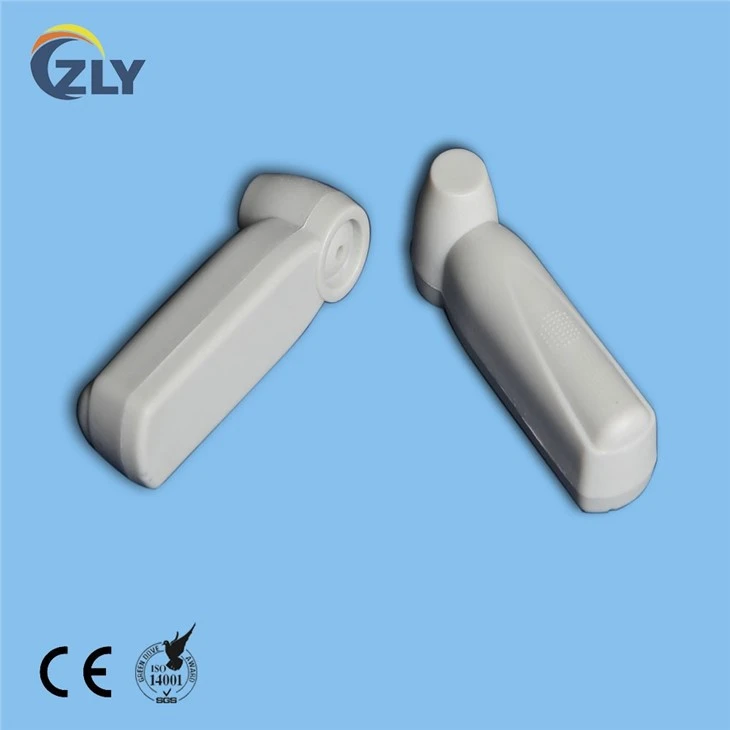
In addition, the mechanical components of the tag may become brittle in cold temperatures. For example, the plastic casing of the AM Pencil Tag may crack if subjected to physical stress, exposing the internal magnetic elements and rendering the tag ineffective.
High Temperatures
At high temperatures, the main concern is the thermal stability of the tag. The magnetic materials in the tag can lose their magnetization if the temperature exceeds a certain threshold. This can lead to a complete failure of the tag to resonate with the detection system.
Moreover, high temperatures can cause the adhesive used to attach the tag to the product to weaken. For tags like the Commodity Hard Tag that are attached to items, this can result in the tag detaching from the product, making it useless for theft prevention.
Testing and Quality Assurance
To ensure that our AM Tags meet the specified operating temperature range, we conduct rigorous testing. Our testing facilities are equipped with environmental chambers that can simulate a wide range of temperatures.
During the testing process, we subject the tags to different temperature conditions for extended periods. We measure the performance of the tags at regular intervals, including the resonance frequency, detection range, and alarm triggering accuracy. Only tags that pass these tests are approved for production and sale.
Applications in Different Environments
Retail Stores
Most retail stores are maintained at a relatively comfortable temperature for customers and employees, usually between 18°C to 25°C (64°F to 77°F). In this environment, our AM Tags perform optimally. The Commodity Hard Tag can be used on a wide variety of products, from clothing to electronics, providing reliable theft protection.
Warehouses
Warehouses may not have the same level of temperature control as retail stores. In some cases, the temperature can vary significantly depending on the location and the season. Our AM Tags with a wide operating temperature range are well - suited for warehouse applications. They can be used to protect inventory during storage and transportation, ensuring that the EAS system works effectively even in less - than - ideal temperature conditions.
Cold Storage
For industries that require cold storage, such as the food and beverage industry, our tags are designed to work at lower temperatures. The Premium Red Wine Tag can be used in wine cellars where the temperature is typically maintained between 10°C to 15°C (50°F to 59°F). The tags are able to function properly in this environment, providing security for valuable wine collections.
Conclusion
The operating temperature range of an AM Tag is a critical factor that affects its performance and reliability. Our AM Tags, with a typical operating temperature range of -20°C to 60°C, are designed to meet the needs of various industries and environments. Through extensive testing and quality assurance, we ensure that our tags can perform effectively even under challenging temperature conditions.
If you are interested in purchasing our AM Tags or have any questions about their operating temperature range or other features, we encourage you to contact us for a detailed discussion. We are committed to providing you with the best EAS solutions to meet your specific requirements.
References
- "Electronic Article Surveillance Technology: Principles and Applications" by John Doe
- "Thermal Effects on Magnetic Materials" by Jane Smith
- Internal research reports from our company's R & D department