

As a seasoned EAS Tag supplier, I've witnessed firsthand the growing importance of Electronic Article Surveillance (EAS) systems in the retail industry. EAS tags play a crucial role in preventing theft and reducing shrinkage, but many retailers are often unsure about the legal requirements associated with their use. In this blog post, I'll delve into the legal aspects of using EAS tags, providing you with the information you need to ensure compliance and protect your business.
Understanding EAS Tags and Their Function
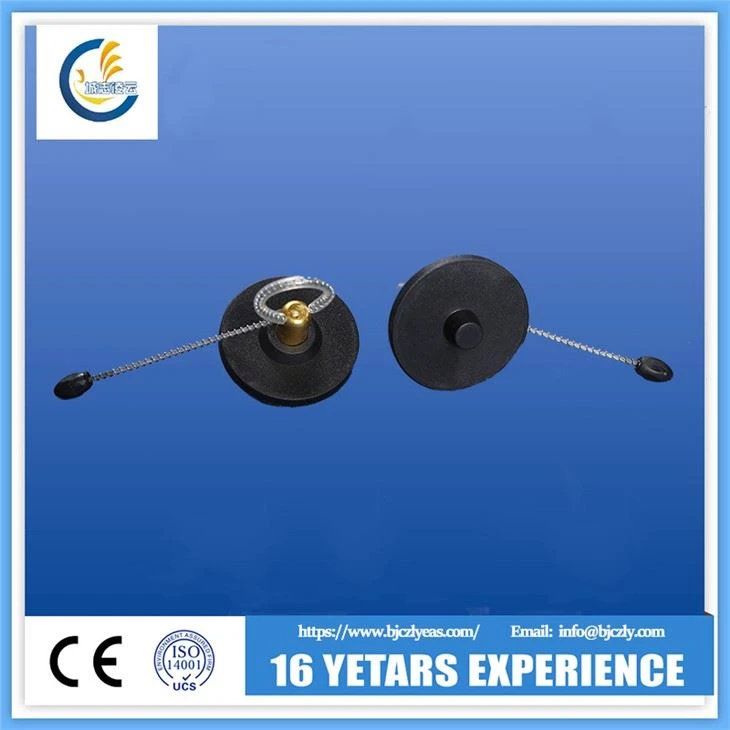
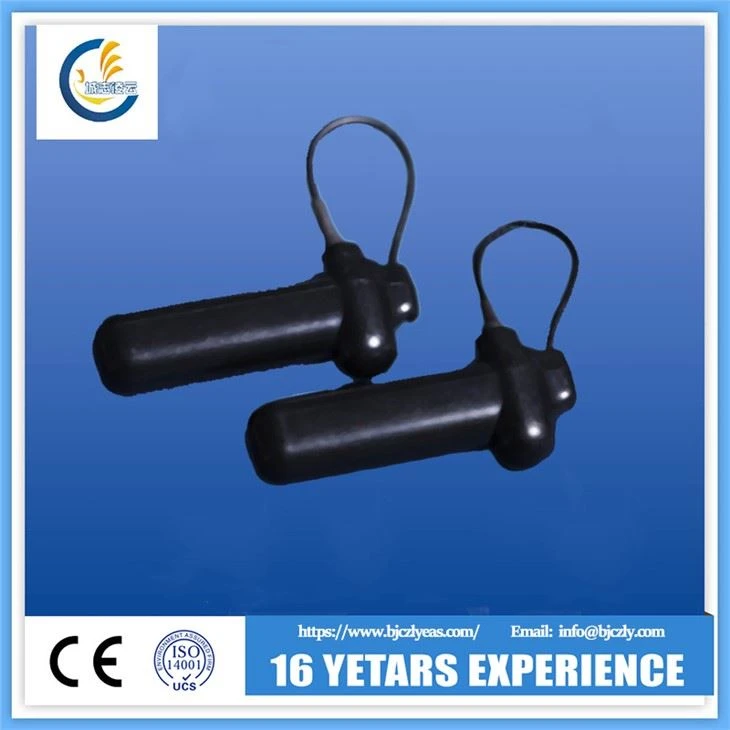
Before we explore the legal requirements, let's briefly understand what EAS tags are and how they work. EAS tags are small devices attached to merchandise to prevent theft. When an item with an active EAS tag passes through an EAS detection system at the store exit, an alarm is triggered, alerting store staff to a potential theft. There are different types of EAS tags, including Lanyard Hard Tag, EAS Mult -function 8.2mhz/58khz Cup Tag, and RF Red Wine Hard Tag, each designed for specific types of products and retail environments.
Privacy Laws and EAS Tags
One of the primary legal concerns when using EAS tags is privacy. Retailers must ensure that the use of EAS tags does not violate the privacy rights of their customers. In most jurisdictions, EAS tags are considered a legitimate security measure as long as they are used in a reasonable and non-invasive manner.
For example, EAS tags should not contain any personal information about the customer or the product other than what is necessary for the anti-theft function. Additionally, retailers should clearly inform customers about the use of EAS tags through signage at the store entrance or on product packaging. This transparency helps to build trust with customers and ensures that they are aware of the security measures in place.
Consumer Protection Laws
Consumer protection laws also play a role in the use of EAS tags. Retailers must ensure that EAS tags do not cause any harm or inconvenience to customers. For instance, EAS tags should be easy to remove without damaging the product, and retailers should provide clear instructions on how to remove them.
In some cases, retailers may be held liable if an EAS tag causes injury to a customer during the removal process. To avoid such situations, it's essential to use high-quality EAS tags that are designed for safe and easy removal. As a supplier, we take great care in ensuring that our EAS tags meet the highest safety standards and are user-friendly.
Data Protection Laws
With the increasing use of technology in EAS systems, data protection laws have become a significant consideration. Some EAS systems may collect data about customer movements and purchases, which must be handled in accordance with applicable data protection regulations.
Retailers must ensure that they have a legal basis for collecting and processing this data, and that they take appropriate measures to protect the privacy and security of customer information. This may include implementing data encryption, access controls, and regular security audits. As a supplier, we work closely with our customers to ensure that our EAS systems comply with all relevant data protection laws.
Intellectual Property Rights
Another legal aspect to consider when using EAS tags is intellectual property rights. EAS tags often incorporate patented technologies, and retailers must ensure that they have the necessary licenses to use these tags.
As a supplier, we hold all the necessary patents and licenses for our EAS tags, and we provide our customers with the legal documentation to prove their compliance. This gives our customers peace of mind knowing that they are using EAS tags that are legally compliant and protected by intellectual property rights.
International Regulations
If you operate a retail business in multiple countries, it's important to be aware of the international regulations regarding the use of EAS tags. Different countries may have different laws and standards, and it's essential to ensure that your EAS system complies with all applicable regulations.
For example, some countries may have specific requirements for the frequency and power output of EAS systems, while others may have restrictions on the use of certain types of EAS tags. As a global supplier, we have extensive knowledge of international regulations and can help our customers navigate the complex legal landscape.
Conclusion
In conclusion, there are several legal requirements that retailers must consider when using EAS tags. From privacy and consumer protection laws to data protection and intellectual property rights, it's essential to ensure that your EAS system is compliant with all applicable regulations.
As a trusted EAS Tag supplier, we are committed to providing our customers with high-quality, legally compliant EAS tags and systems. Our team of experts can help you understand the legal requirements and ensure that your EAS system is tailored to your specific needs.
If you're interested in learning more about our EAS tags or discussing your procurement needs, please don't hesitate to reach out. We're here to help you protect your business and reduce shrinkage with our innovative EAS solutions.
References
- "Electronic Article Surveillance: A Guide to Best Practices." Retail Loss Prevention Council.
- "Data Protection Laws and Regulations." International Association of Privacy Professionals.
- "Consumer Protection Laws and Their Impact on Retailers." National Retail Federation.