

Hey there! As a supplier of RF Mono Systems, I've seen firsthand how important it is to keep these systems in top - notch condition. In this blog, I'm gonna share some tips on how to maintain your RF Mono System effectively.
Understanding the RF Mono System
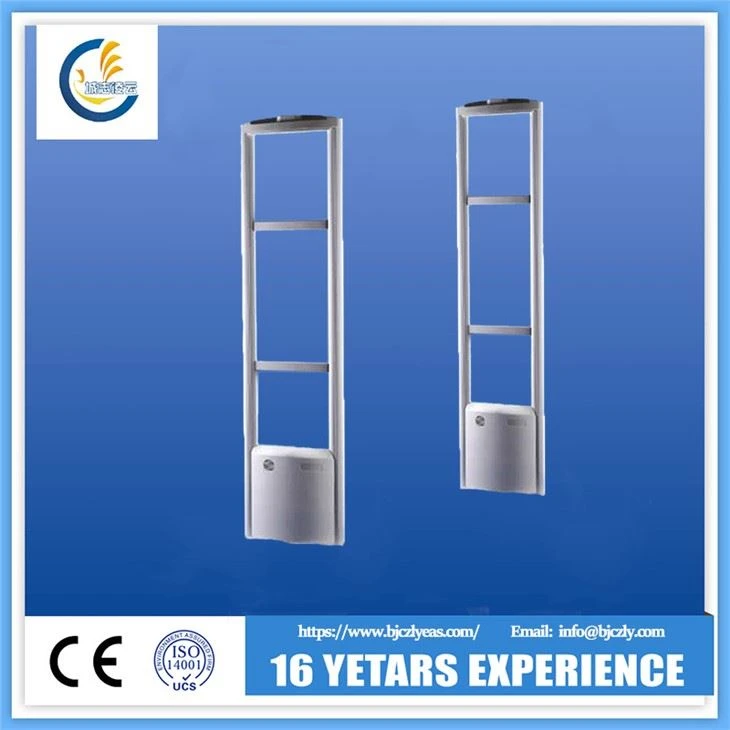
Before we dive into maintenance, let's quickly go over what an RF Mono System is. It's a type of Electronic Article Surveillance (EAS) system that uses radio - frequency technology to detect unauthorized removal of tagged items from a store or other protected area. These systems are popular because they're relatively simple and cost - effective.
Regular Inspections
One of the first steps in maintaining your RF Mono System is to conduct regular inspections. You should check the system at least once a week, if possible. Start by looking at the antennas. Make sure they're clean and free from any physical damage. Any cracks or dents in the antennas can affect the system's performance. You can use a soft, dry cloth to wipe down the antennas.
Also, inspect the cables connecting the antennas to the control unit. Look for any signs of fraying or loose connections. A loose cable can cause signal interference, which will lead to false alarms or missed detections. If you find any damaged cables, replace them immediately.
Software Updates
Just like your smartphone or computer, your RF Mono System needs software updates. These updates often include bug fixes, security patches, and performance improvements. Most modern RF Mono Systems can be updated remotely, which makes the process super easy. Keep an eye on the manufacturer's website for any new software releases and install them as soon as possible.

Calibration
Calibration is crucial for the proper functioning of your RF Mono System. Over time, the system may drift out of calibration, which can result in inaccurate readings. You should calibrate your system at least once a month. This process usually involves using a calibration tag and following the instructions in the system's user manual. If you're not comfortable doing it yourself, you can always call in a professional technician.
Environment Management
The environment where your RF Mono System is installed can have a big impact on its performance. Try to keep the area around the system clean and free from clutter. Dust and debris can accumulate on the antennas and other components, which can interfere with the signal.
Also, be aware of any sources of electromagnetic interference (EMI) in the vicinity. Things like large electrical appliances, fluorescent lights, and even some types of metal shelving can cause EMI. If you notice that your system is having problems, try to identify and remove any potential sources of interference.
Battery Maintenance
If your RF Mono System has a battery backup, it's important to take care of the batteries. Check the battery levels regularly and replace the batteries as needed. Old or weak batteries can cause the system to malfunction. Make sure to use the correct type of batteries recommended by the manufacturer.
Staff Training
Your staff plays a crucial role in the maintenance of your RF Mono System. Make sure they're properly trained on how to use and care for the system. They should know how to perform basic inspections, what to do in case of an alarm, and how to contact technical support if needed. Regular training sessions can help keep your staff up - to - date on the latest best practices.
Troubleshooting Common Issues
Even with regular maintenance, you may still encounter some issues with your RF Mono System. Here are some common problems and how to fix them:
False Alarms
False alarms can be a real headache. They can disrupt the shopping experience for your customers and waste your staff's time. If you're getting a lot of false alarms, first check for any sources of interference as mentioned earlier. You may also need to adjust the sensitivity settings of the system. Refer to the user manual for instructions on how to do this.
Missed Detections
If your system is missing tagged items, it could be due to a calibration issue or a problem with the antennas. Check the calibration first and make sure the antennas are properly aligned and functioning. You can also try testing the system with a known - good tag to see if it's working correctly.
Related Products
If you're interested in other types of EAS systems, we also offer the [Aluminium RF Mono Anti - theft System](/eas - system/eas - rf - system/aluminium - rf - mono - anti - theft - system.html), which has some unique features and benefits. And for a more advanced option, take a look at our [RF Dual Antenna](/eas - system/eas - rf - system/rf - dual - antenna.html) and [RF Dual System](/eas - system/eas - rf - system/rf - dual - system.html).
Contact for Purchase and Consultation
If you have any questions about maintaining your RF Mono System or if you're interested in purchasing a new system, feel free to reach out to us. We're always here to help you make the best decision for your business.
References
- EAS System Handbook by Industry Experts
- Manufacturer's User Manual for RF Mono Systems