

As a supplier of the ABS Plastic AM System, I am frequently asked whether this system can be used for printing consumer products. In this blog, I will delve into this question, exploring the capabilities, limitations, and potential applications of the ABS Plastic AM System in the realm of consumer product manufacturing.
Understanding the ABS Plastic AM System
ABS (Acrylonitrile Butadiene Styrene) is a widely used thermoplastic polymer known for its strength, toughness, and heat resistance. The AM (Additive Manufacturing) System, commonly referred to as 3D printing, is a process of creating three - dimensional objects by adding material layer by layer. The ABS Plastic AM System combines the benefits of ABS plastic with the flexibility and precision of 3D printing technology.
One of the key advantages of the ABS Plastic AM System is its ability to produce complex geometries that would be difficult or impossible to achieve using traditional manufacturing methods. This is because 3D printing builds objects from the ground up, allowing for the creation of internal structures, undercuts, and organic shapes. For consumer products, this means that designers can unleash their creativity and develop innovative products with unique features.
Advantages of Using ABS Plastic AM System for Consumer Products
Customization
Consumer preferences are becoming increasingly diverse, and there is a growing demand for customized products. The ABS Plastic AM System enables manufacturers to offer personalized consumer goods. For example, in the jewelry industry, customers can have their names, initials, or unique designs incorporated into their ABS plastic jewelry pieces. Similarly, in the field of consumer electronics, custom - designed phone cases with intricate patterns or personalized logos can be easily produced using this system.
Rapid Prototyping
Before mass - producing a consumer product, it is essential to test and validate the design. The ABS Plastic AM System allows for rapid prototyping, which significantly reduces the time and cost associated with traditional prototyping methods. Designers can quickly print multiple iterations of a product, make necessary adjustments, and get feedback from potential customers. This iterative process helps in refining the product design and ensuring that the final product meets the market requirements.
Low - Volume Production
For small - scale businesses or startups, mass - production of consumer products can be a risky and costly venture. The ABS Plastic AM System is well - suited for low - volume production. It eliminates the need for expensive molds and tooling, making it more cost - effective to produce a limited number of units. This is particularly beneficial for niche consumer products or products with a short product life cycle.
Examples of Consumer Products That Can Be Printed
Home Decor Items
ABS plastic can be used to print a variety of home decor items such as vases, wall art, and decorative figurines. The ability to create complex shapes and detailed designs makes it possible to produce unique and eye - catching pieces. For instance, a 3D - printed vase with a geometric pattern or an abstract shape can add a modern touch to any living space.
Toys
The toy industry can also benefit from the ABS Plastic AM System. Toys can be designed with complex features and moving parts, providing children with more engaging play experiences. Additionally, the system allows for the production of limited - edition or collectible toys, which can attract collectors and enthusiasts.
Commercial protection base
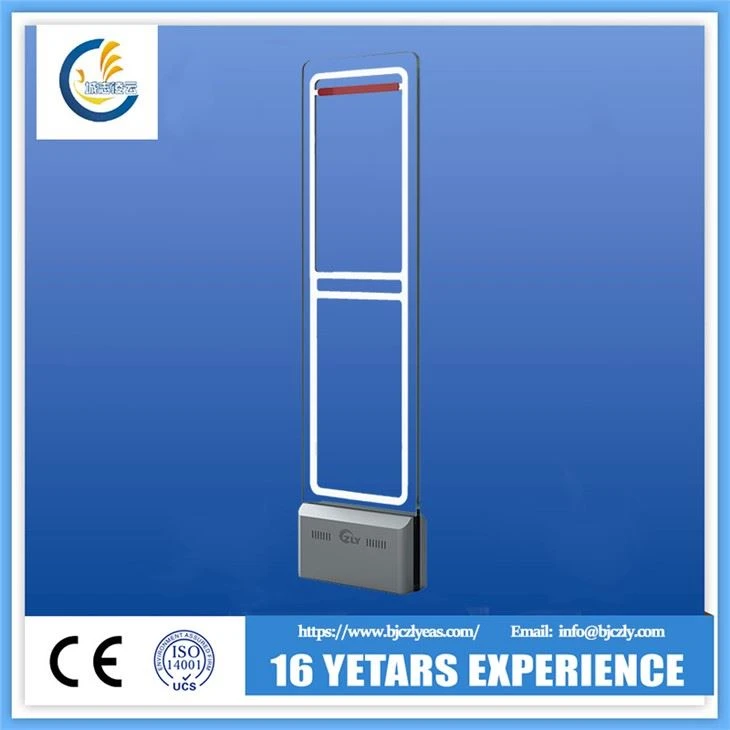
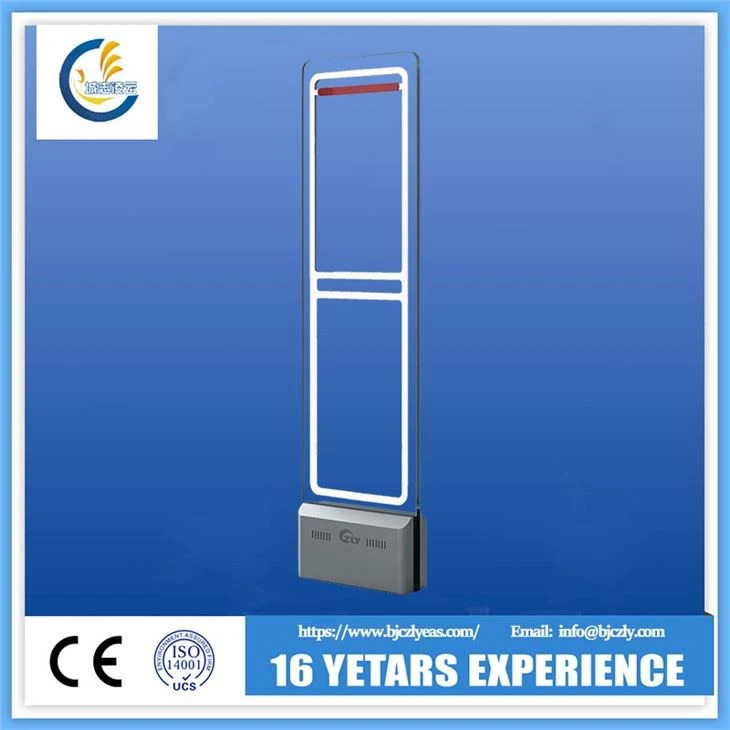
In the security industry, the ABS Plastic AM System can be used to print commercial protection bases. These bases are often used in conjunction with security systems such as best price EAS AM anti shoplifting system and EAS Am Security Gate System. The ability to customize the shape and size of the protection base according to the specific requirements of the security system makes the ABS Plastic AM System a valuable tool.
Limitations and Challenges
Surface Finish
One of the limitations of the ABS Plastic AM System is the surface finish of the printed objects. Compared to products manufactured using traditional methods such as injection molding, 3D - printed ABS plastic products may have a rougher surface. However, post - processing techniques such as sanding, polishing, and painting can be used to improve the surface quality.
Material Properties
Although ABS plastic is a strong and durable material, the properties of 3D - printed ABS parts may differ from those of traditionally manufactured parts. For example, the strength and stiffness of 3D - printed ABS may be affected by the printing orientation and layer adhesion. Manufacturers need to carefully consider these factors when designing consumer products to ensure that they meet the required performance standards.
Production Speed
The production speed of the ABS Plastic AM System is relatively slow compared to traditional manufacturing methods. For high - volume production, this can be a significant drawback. However, advancements in 3D printing technology are continuously being made, and new systems are being developed to increase the printing speed.
Overcoming the Challenges
To overcome the limitations of the ABS Plastic AM System, manufacturers can adopt several strategies.
Advanced Post - Processing Techniques
Investing in advanced post - processing equipment and techniques can significantly improve the surface finish of 3D - printed ABS products. For example, using chemical vapor smoothing can create a smooth and glossy surface on the printed parts.
Material Research and Development
Continuous research and development in ABS plastic materials can help in improving the mechanical properties of 3D - printed parts. New formulations of ABS plastic with enhanced strength, stiffness, and heat resistance are being developed to meet the requirements of different consumer products.
Hybrid Manufacturing
Combining the ABS Plastic AM System with traditional manufacturing methods can be an effective approach. For example, 3D - printed ABS parts can be integrated with parts produced using injection molding or machining. This hybrid manufacturing approach allows manufacturers to take advantage of the benefits of both methods.
Conclusion
In conclusion, the ABS Plastic AM System has great potential for use in printing consumer products. Its advantages in terms of customization, rapid prototyping, and low - volume production make it an attractive option for manufacturers. However, it also faces some limitations such as surface finish, material properties, and production speed. By adopting appropriate strategies to overcome these challenges, manufacturers can leverage the capabilities of the ABS Plastic AM System to develop innovative and high - quality consumer products.
If you are interested in exploring the possibilities of using the ABS Plastic AM System for your consumer product manufacturing needs, we would be more than happy to have a discussion with you. Contact us to start a procurement negotiation and discover how this system can transform your product development process.
References
- Gibson, I., Rosen, D. W., & Stucker, B. (2014). Additive Manufacturing Technologies: 3D Printing, Rapid Prototyping, and Direct Digital Manufacturing. Springer.
- Wohlers, T., & Gornet, P. (2018). Wohlers Report 2018: 3D Printing and Additive Manufacturing State of the Industry. Wohlers Associates.
- ASTM International. (2019). Standard Terminology for Additive Manufacturing Technologies. ASTM F2792 - 12a.