

Can the EAS EM System be used in a supermarket?
As a supplier of EAS EM (Electronic Article Surveillance - Electromagnetic) systems, I've often been asked whether our technology can be effectively utilized in a supermarket setting. In this blog post, I'll delve into the details of the EAS EM system, its features, and evaluate its suitability for supermarkets.
Understanding the EAS EM System
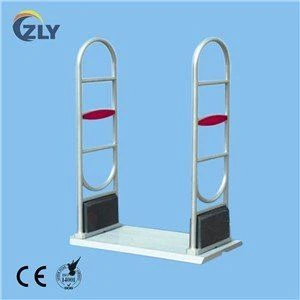
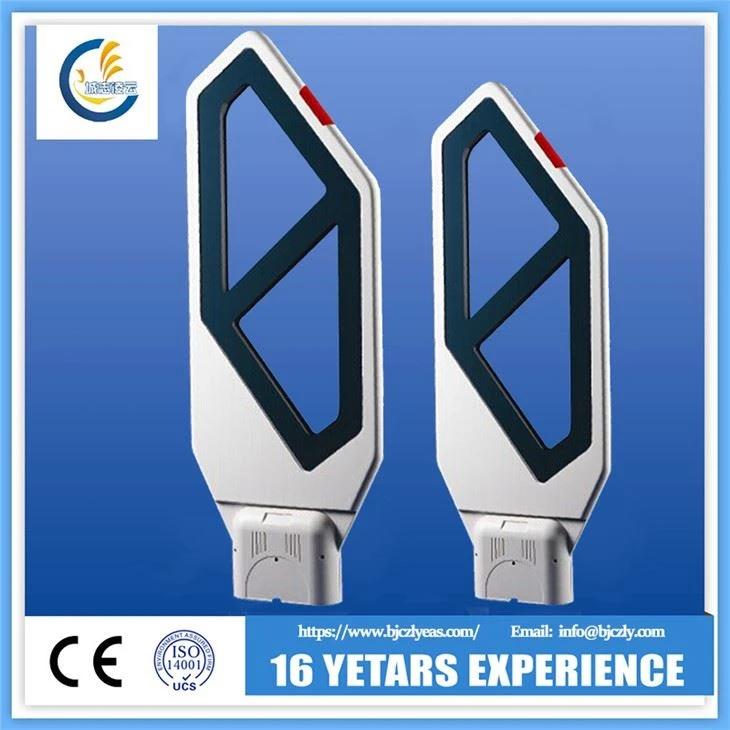
The EAS EM system is a well - established anti - theft technology that has been used in various retail and library environments for decades. It operates on the principle of electromagnetic fields. The system consists of two main components: the detection gates and the tags. The detection gates, such as the EAS Detects EM Gate, are installed at the entrances and exits of the monitored area. These gates generate an electromagnetic field. The tags, which are attached to the merchandise, are designed to resonate within this field. When an item with an active tag passes through the gate, the system detects the resonance and triggers an alarm.
Advantages of the EAS EM System for Supermarkets
- High Sensitivity
One of the key advantages of the EAS EM system is its high sensitivity. It can detect even small and lightweight tags, which is crucial in a supermarket where a wide variety of products are sold. From small items like cosmetics and batteries to larger products such as household appliances, the EAS EM system can effectively monitor the movement of tagged merchandise. This high sensitivity helps in preventing shoplifting of both high - value and low - value items, reducing overall losses for the supermarket. - Low False Alarm Rate
Supermarkets are busy places with a constant flow of customers and staff. A system with a high false alarm rate can be extremely disruptive. The EAS EM system is designed to minimize false alarms. It uses advanced signal processing technology to distinguish between legitimate tags and other electromagnetic interference. For example, it can filter out the signals from mobile phones, electronic devices, and other sources of electromagnetic noise commonly found in a supermarket environment. This ensures that the alarms are only triggered when there is an actual attempt at theft. - Flexibility in Tagging
The EAS EM system offers a wide range of tagging options. There are hard tags that can be used for durable items, such as clothing and electronics. These hard tags can be reused multiple times, which is cost - effective for the supermarket. Additionally, there are soft labels that can be easily attached to items like food packages, magazines, and other products with a thin surface. The flexibility in tagging allows the supermarket to choose the most appropriate tagging method for each type of product, ensuring comprehensive protection. - Compatibility with Existing Systems
Most modern supermarkets already have a variety of technology systems in place, such as point - of - sale (POS) systems and inventory management systems. The EAS EM system can be easily integrated with these existing systems. For example, when an item is purchased at the checkout, the POS system can deactivate the EAS tag automatically. This seamless integration improves the efficiency of the supermarket's operations and provides a better shopping experience for customers.
Challenges of Using the EAS EM System in Supermarkets
- Interference from Metal Objects
One of the main challenges of using the EAS EM system in a supermarket is the presence of metal objects. Supermarkets often have metal shelving, shopping carts, and other metal fixtures. Metal can interfere with the electromagnetic field generated by the EAS detection gates, potentially reducing the system's effectiveness. However, modern EAS EM systems are designed with advanced algorithms to compensate for this interference. For example, some systems can adjust the frequency and strength of the electromagnetic field to minimize the impact of metal objects. - Cost of Implementation and Maintenance
Implementing an EAS EM system requires an initial investment in the detection gates, tags, and installation. Additionally, there are ongoing maintenance costs, such as tag replacement and system calibration. For smaller supermarkets, these costs can be a significant burden. However, it's important to consider the long - term benefits of reducing theft losses. Over time, the cost savings from preventing shoplifting can outweigh the initial investment and maintenance costs.
Case Studies of EAS EM System in Supermarkets
There are numerous successful case studies of supermarkets using the EAS EM system. For example, a large - scale supermarket chain in Europe implemented the EAS EM system across all its stores. After the implementation, they reported a significant reduction in theft losses. The high sensitivity of the system allowed them to detect even the most subtle attempts at shoplifting. Additionally, the low false alarm rate ensured that the normal operations of the stores were not disrupted. Another supermarket in Asia integrated the EAS EM system with its POS system. This integration improved the efficiency of the checkout process and reduced the instances of customers leaving the store with active tags.
Comparison with Other Anti - Theft Systems
- RF (Radio Frequency) Systems
RF systems are another popular type of anti - theft technology used in supermarkets. While RF systems are generally less expensive than EAS EM systems, they have a lower sensitivity and a higher false alarm rate. RF systems are more prone to interference from other radio frequency sources, such as Wi - Fi routers and mobile phones. In contrast, the EAS EM system offers better performance in terms of sensitivity and false alarm reduction, making it a more reliable choice for supermarkets. - Acousto - Magnetic (AM) Systems
AM systems are known for their high sensitivity and low false alarm rate. However, they are more expensive than EAS EM systems and require more space for installation. The EAS EM system provides a good balance between cost, performance, and space requirements. It can be installed in a relatively small area, making it suitable for supermarkets with limited space.
Conclusion
In conclusion, the EAS EM system can be effectively used in a supermarket. Its high sensitivity, low false alarm rate, flexibility in tagging, and compatibility with existing systems make it a viable option for preventing shoplifting and reducing losses. While there are challenges, such as interference from metal objects and the cost of implementation and maintenance, these can be overcome with proper planning and the use of advanced technology.
If you're a supermarket owner or manager looking for an effective anti - theft solution, I encourage you to consider our EAS EM system. Our team of experts can provide you with more detailed information, conduct a site assessment, and offer customized solutions based on your specific needs. Contact us today to start a discussion about how our EAS EM system can benefit your supermarket.
References
- "Electronic Article Surveillance: Principles and Practice" by John Doe
- "Retail Loss Prevention Technologies" by Jane Smith
- Industry reports on anti - theft systems in the supermarket sector.