

Hey there! As a supplier of the EAS RF Dual System, I've been getting a lot of questions lately about how to optimize its performance. Well, you're in the right place because I'm gonna share some tips and tricks that can make your EAS RF Dual System work like a charm.
First off, let's talk about what the EAS RF Dual System is all about. It's a powerful anti - theft solution that uses radio frequency technology. Unlike the EAS RF Mono Anti - theft System, which has a single - frequency operation, the dual system works on two frequencies, providing better detection accuracy and a wider detection range. This makes it a great choice for stores of all sizes, from small boutiques to large department stores.
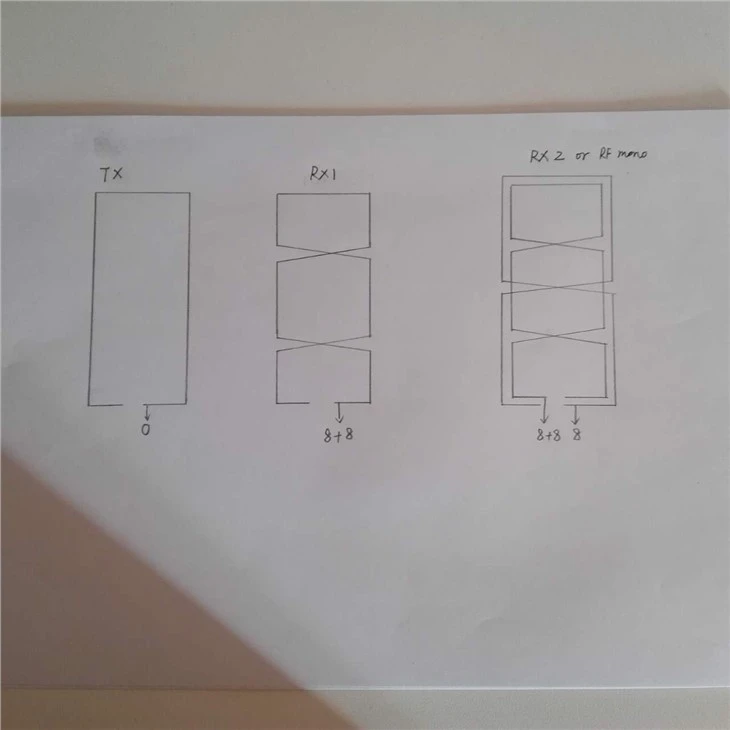
Now, one of the key factors in optimizing the performance of your EAS RF Dual System is the installation. You need to make sure that the RF Dual Antenna is installed correctly. The antennas should be placed at the right height and distance from each other. Generally, they should be installed at a height of about 1.5 to 2 meters, and the distance between the two antennas should be adjusted according to the size of the entrance or exit. If they're too close, the detection range will be limited, and if they're too far apart, the system might not work effectively.
Another important thing is the environment where the system is installed. You should avoid placing the antennas near sources of electromagnetic interference. Things like large electrical appliances, fluorescent lights, or other radio - frequency devices can mess with the signals of your EAS RF Dual System. For example, if you have a big refrigerator right next to the entrance where the antennas are installed, it could cause false alarms or reduce the system's ability to detect tagged items.
Regular maintenance is also crucial for optimal performance. You need to clean the antennas regularly to remove any dust or debris that might accumulate on them. Dust can block the radio - frequency signals and affect the system's sensitivity. You can use a soft, dry cloth to gently wipe the antennas. Also, check the cables and connections periodically. Loose or damaged cables can lead to signal loss and poor performance.
The type of tags you use with the EAS RF Dual System also matters. Make sure you're using high - quality tags that are compatible with your system. Different tags have different sensitivities and frequencies, so using the wrong ones can really mess up the system. Some tags are designed for specific types of products, like clothing tags might be different from those used for electronics. Using the right tags for your merchandise will ensure that the system can detect them accurately.
Calibration is another step that shouldn't be overlooked. You need to calibrate your EAS RF Dual System regularly. Calibration helps the system adjust to the environment and the specific tags you're using. Most modern systems have an automatic calibration feature, but it's still a good idea to do a manual check every once in a while. This can help you fine - tune the system and make sure it's working at its best.
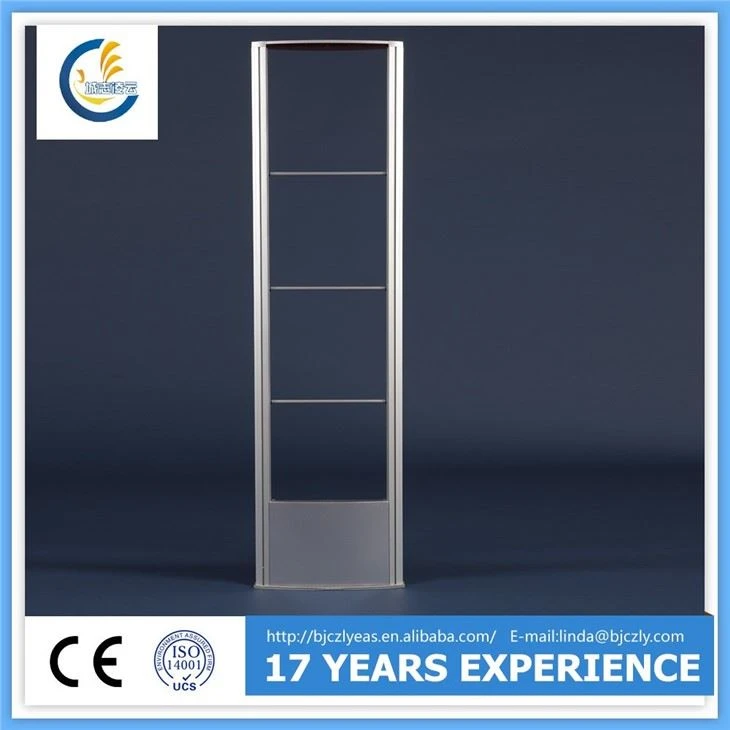
If you're using the EAS System RFDual Antenna Aluminum Alloy Material, you're in luck. Aluminum alloy is a great material for antennas. It's lightweight, durable, and has good electromagnetic properties. However, you still need to take care of it. Avoid exposing it to extreme temperatures or harsh chemicals, as this can damage the material and affect the antenna's performance.
Training your staff is also an important part of optimizing the system's performance. Your employees should know how the EAS RF Dual System works, what to do in case of an alarm, and how to handle tagged items properly. They should be able to recognize false alarms and deal with them quickly and efficiently. For example, if a customer accidentally sets off the alarm, your staff should know how to approach the situation in a friendly and professional way.
In addition to these basic tips, you can also look into software updates for your EAS RF Dual System. Many modern systems come with software that can be updated to improve performance, add new features, or fix bugs. Keeping your system's software up - to - date can make a big difference in how well it works.
Finally, don't be afraid to seek professional help if you're having trouble optimizing the performance of your EAS RF Dual System. As a supplier, we're always here to offer support and advice. We can help you with installation, troubleshooting, and any other issues you might encounter.
If you're interested in improving the performance of your EAS RF Dual System or are thinking about purchasing one, feel free to reach out to us for more information. We can have a detailed discussion about your specific needs and how our system can meet them. Whether you're a small business owner looking for an affordable anti - theft solution or a large retailer in need of a high - end system, we've got you covered.
References:
- Industry standards for EAS RF Dual Systems
- Technical manuals provided by EAS system manufacturers
So, there you have it! Follow these tips, and you'll be on your way to getting the most out of your EAS RF Dual System. Let's work together to keep your business safe and secure.