

Hey there! As a supplier of the EAS RF Dual System, I often get asked whether this system requires regular calibration. In this blog, I'll share my insights on this topic based on my experience in the industry.
First off, let's understand what the EAS RF Dual System is. The EAS RF Dual System, like the 8.2MHZ Auminium Dual System, is a type of Electronic Article Surveillance (EAS) system. It uses radio - frequency (RF) technology to prevent theft in retail stores and other commercial establishments. This system typically consists of a transmitter and a receiver, which create an electromagnetic field at the entrance and exit of a premises. When an item with an active EAS tag passes through this field, an alarm is triggered.
Now, back to the question: Does it need regular calibration? Well, the short answer is yes, but let's dig deeper into why.
Why Calibration is Necessary
Environmental Factors
The performance of the EAS RF Dual System can be affected by various environmental factors. For example, changes in temperature and humidity can cause the components of the system to expand or contract slightly. This can alter the electromagnetic field generated by the system, potentially leading to false alarms or missed detections. Regular calibration helps to adjust the system to account for these environmental changes, ensuring that it continues to operate accurately.
Let's say you have a store in a coastal area where the humidity levels are quite high. Over time, the high humidity can cause corrosion on some of the internal components of the system. This corrosion can disrupt the normal functioning of the transmitter and receiver, and calibration can help identify and correct these issues before they become major problems.
Component Wear and Tear
Just like any other electronic device, the components of the EAS RF Dual System experience wear and tear over time. The coils in the transmitter and receiver, for instance, can degrade with continuous use. This degradation can change the electrical characteristics of the system, which in turn affects its ability to detect EAS tags accurately. By calibrating the system regularly, we can measure the performance of these components and make the necessary adjustments to keep the system working optimally.
Interference from Other Devices
In a modern retail environment, there are numerous electronic devices operating simultaneously. Wi - Fi routers, mobile phones, and other RF - emitting devices can cause interference with the EAS RF Dual System. This interference can disrupt the electromagnetic field of the EAS system, leading to inaccurate readings. Calibration allows us to fine - tune the system to minimize the impact of this interference and maintain its performance.
Imagine a large shopping mall where there are multiple Wi - Fi access points and hundreds of customers using their mobile phones. The EAS RF Dual System in one of the stores needs to be calibrated regularly to ensure that it can still detect EAS tags despite all the background RF noise.
How Often Should Calibration Be Done?
The frequency of calibration depends on several factors. For a store in a stable environment with relatively low foot traffic, calibration once or twice a year might be sufficient. However, in a high - traffic store or an environment with significant environmental changes, more frequent calibration may be required. For example, a store located in an area with extreme temperature variations might need calibration every three to six months.
It's also a good idea to calibrate the system after any major changes to the store layout. Moving shelves, adding new equipment, or changing the location of the EAS system itself can all affect its performance. In such cases, calibration should be done immediately to ensure that the system is still operating correctly.
The Calibration Process
Calibration of the EAS RF Dual System is a complex process that requires specialized equipment and expertise. Here's a general overview of what it involves:
Initial Assessment
The first step is to conduct a thorough assessment of the system. This includes checking the physical condition of the components, such as the antennas and cables, for any signs of damage or wear. We also measure the basic electrical parameters of the system, such as the output power of the transmitter and the sensitivity of the receiver.
Adjustment of Parameters
Based on the results of the initial assessment, we make adjustments to the system's parameters. This may involve adjusting the frequency, amplitude, and phase of the electromagnetic field to ensure that it is within the optimal range for detecting EAS tags. We use precision calibration equipment to make these adjustments accurately.
Testing
After making the adjustments, we conduct a series of tests to verify the performance of the system. We use test tags to simulate the passage of tagged items through the detection zone. The system should be able to detect these test tags consistently without false alarms. If any issues are detected during the testing phase, we repeat the calibration process until the system meets the required performance standards.
Benefits of Regular Calibration
Reduced False Alarms
One of the biggest benefits of regular calibration is a reduction in false alarms. False alarms can be a major annoyance for both store staff and customers. They can disrupt the shopping experience and waste valuable time and resources. By calibrating the system regularly, we can ensure that it only triggers an alarm when a genuine EAS - tagged item passes through the detection zone, improving the overall efficiency of the store.
Improved Detection Accuracy
Calibration also improves the detection accuracy of the EAS RF Dual System. This means that the system is more likely to detect all EAS - tagged items that are being stolen, reducing the loss due to theft. In a retail business, even a small improvement in detection accuracy can translate into significant savings over time.
Extended System Lifespan
Regular calibration can help extend the lifespan of the EAS RF Dual System. By identifying and addressing potential issues early on, we can prevent major component failures and reduce the need for costly repairs or replacements. This not only saves money but also ensures that the system is available for use when it's needed.
Conclusion
In conclusion, the EAS RF Dual System, such as the EAS RF Dual Anti - theft System, definitely requires regular calibration. It's an essential part of maintaining the system's performance, ensuring accurate detection, and reducing false alarms. As a supplier, we understand the importance of calibration and offer calibration services to our customers.

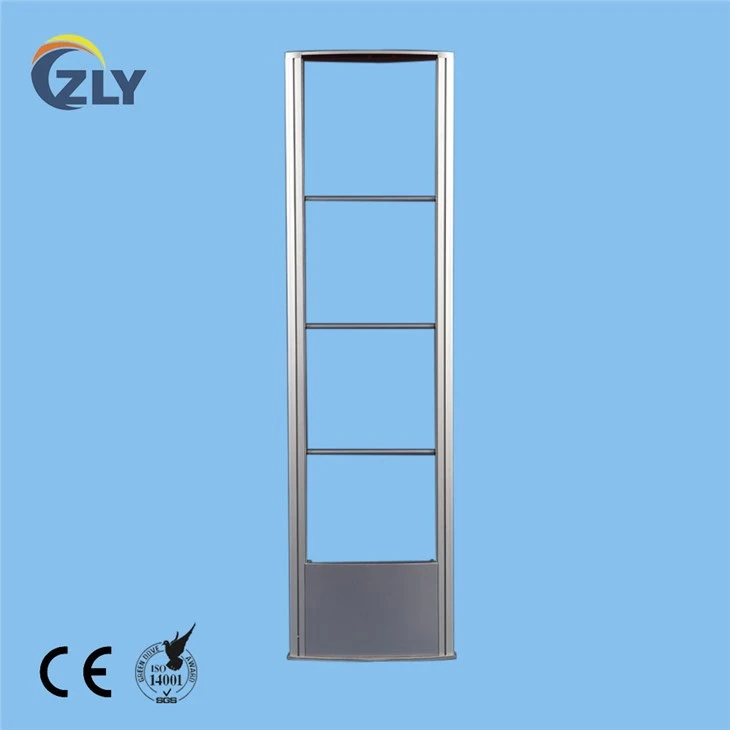
If you're using an EAS RF Dual System or are considering purchasing one, don't overlook the importance of regular calibration. It's a small investment that can pay off big in terms of improved security and operational efficiency. If you have any questions about calibration or need more information about our Aluminium RF Mono Anti - theft System or other EAS products, feel free to reach out to us. We're here to help you keep your business secure.
References
- "Handbook of Electronic Article Surveillance" - A comprehensive guide on EAS systems and their operation.
- Industry reports on the performance and maintenance of EAS RF Dual Systems.