

Hey there! As a supplier of EAS Acrylic EM Gates, I've seen firsthand how these devices can revolutionize the security and efficiency of clothing stores. In this blog, I'm gonna share some tips on how to optimize the use of EAS Acrylic EM Gates in your clothing store.
1. Strategic Placement
The first step in optimizing the use of EAS Acrylic EM Gates is to place them in the right spots. You wanna make sure they're visible but not obstructive to your customers. A common mistake is placing them too close to the entrance or exit, which can make customers feel like they're being herded through a narrow passage.
Ideally, place the gates about 3 - 4 feet apart. This gives enough space for customers to walk through comfortably while still ensuring that the detection range is effective. Also, position them at a height where the antennas can easily detect the tags on clothing items. Usually, mounting them at around waist - level works well.
Another important aspect is to place the gates in a way that they cover all possible exit points. If your store has multiple entrances and exits, you'll need to install gates at each one. This prevents shoplifters from finding an unguarded way out.
2. Tagging Strategy
Proper tagging is crucial for the EAS Acrylic EM Gates to work effectively. There are different types of tags available, such as hard tags and soft labels.
Hard tags are great for high - value items like designer clothing, coats, and expensive accessories. They're more durable and can be reused multiple times. You can attach them to the clothing in a visible or semi - visible way. For example, you can clip them onto the collar or the waistband.
Soft labels, on the other hand, are ideal for lighter and more delicate items. They're thinner and less noticeable, so they won't affect the appearance of the clothing too much. You can stick them inside the garment, like on the lining or the hem.
Make sure to tag every item in your store. It might seem like a hassle, but it's worth it in the long run. Even small items can add up in terms of losses due to theft. And don't forget to train your staff on how to properly attach and remove the tags. Incorrect tagging can lead to false alarms or missed detections.
3. System Calibration
Regular calibration of your EAS Acrylic EM Gates is essential. Over time, factors like environmental changes, electrical interference, and wear and tear can affect the performance of the system.
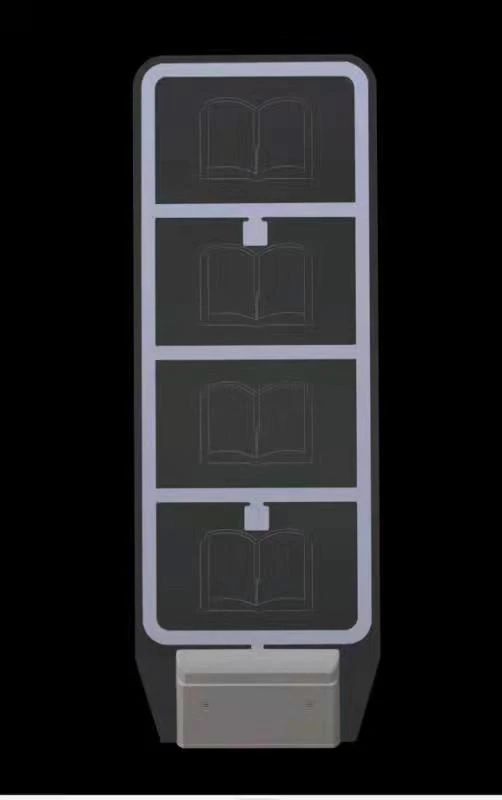
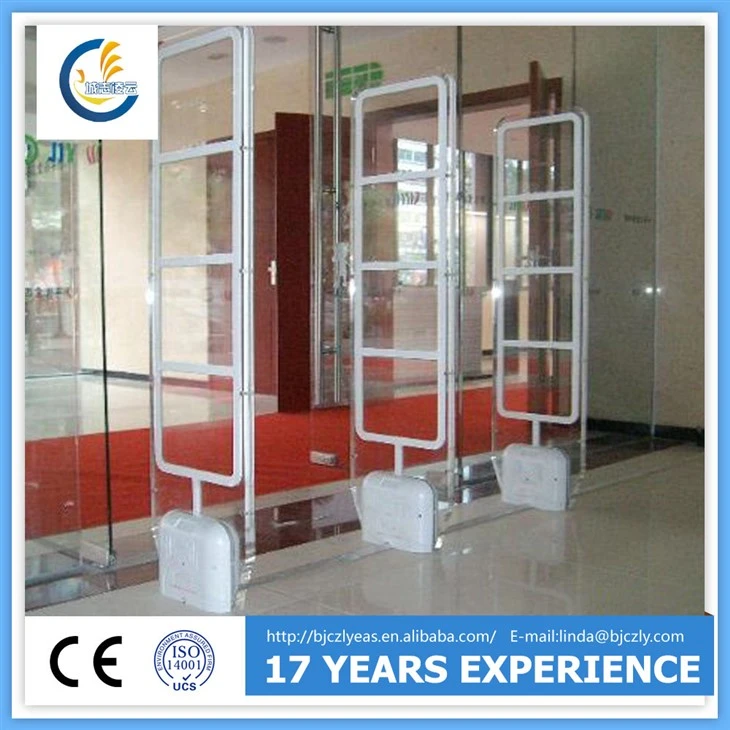
You should calibrate the gates at least once a month. This involves adjusting the sensitivity settings to ensure that the gates can accurately detect the tags. If the sensitivity is too high, you'll get a lot of false alarms, which can be annoying for your customers and staff. If it's too low, the gates might miss some tagged items being taken out of the store.
Most modern EAS Acrylic EM Gates come with built - in calibration features. You can follow the manufacturer's instructions to perform the calibration. If you're not sure how to do it, you can always contact our support team for assistance.
4. Integration with Other Security Measures
Your EAS Acrylic EM Gates work best when integrated with other security measures. For example, you can pair them with CCTV cameras. When an alarm goes off at the gates, the cameras can start recording the area around the exit. This provides valuable evidence in case of theft.
You can also integrate the gates with your point - of - sale (POS) system. When an item is sold at the register, the POS system can automatically deactivate the tag. This reduces the chances of false alarms when a customer leaves the store with a legitimate purchase.
Another option is to use access control systems in combination with the EAS gates. This can restrict access to certain areas of the store, especially storage rooms or high - value sections.
5. Staff Training
Your staff plays a vital role in the effective use of EAS Acrylic EM Gates. They need to be trained on how to operate the system, handle false alarms, and deal with shoplifters.
Train your staff to greet customers as they enter the store. This simple act can deter potential shoplifters. When an alarm goes off, your staff should approach the customer calmly and professionally. They should check if the item was accidentally not de - tagged at the register or if there's a legitimate issue.
Staff should also be trained on how to handle and de - tag items at the register. They need to know which type of tag to use for different items and how to properly remove them without damaging the clothing.
6. Maintenance
Regular maintenance of your EAS Acrylic EM Gates is necessary to keep them in good working condition. Clean the gates regularly to remove dust and debris, which can interfere with the sensors. Check the cables and connections to make sure they're secure.
If you notice any signs of damage, such as cracks in the acrylic or malfunctioning lights, contact us immediately. We can provide replacement parts or arrange for on - site repairs.
7. Utilize Advanced Features
Many EAS Acrylic EM Gates come with advanced features that can enhance their performance. For example, some gates have adjustable detection zones. You can customize these zones based on the layout of your store and the types of items you sell.
Some systems also offer remote monitoring capabilities. You can monitor the status of the gates from your smartphone or computer. This is especially useful if you have multiple stores or if you're not always on - site.
You can also explore the option of using EAS EM System which might offer additional features and better compatibility with your existing security setup.
8. Consider Different Environments
If your clothing store has a unique environment, such as a high - traffic area or a store with a lot of metal fixtures, you need to take these factors into account. Metal can interfere with the electromagnetic signals of the EAS gates. You might need to adjust the sensitivity settings or use special shielding techniques to minimize the interference.
In a high - traffic store, you may need to choose gates with a wider detection range. For example, the Ultra Wide And Ultra Far Acrylic Library Anti Theft System Can be divided channel alarm could be a great option as it can handle a larger volume of customers passing through without sacrificing detection accuracy.
9. Compatibility with Library Settings (if applicable)
If your clothing store also has a small library section (for example, fashion magazines or books), you can look into using Library Anti - theft antenna in combination with your EAS Acrylic EM Gates. This can provide comprehensive security for both the clothing and the library items.
Conclusion
Optimizing the use of EAS Acrylic EM Gates in your clothing store can significantly reduce theft, improve customer experience, and increase overall efficiency. By following these tips on strategic placement, tagging, calibration, integration, staff training, maintenance, and utilizing advanced features, you can get the most out of your security system.
If you're interested in purchasing EAS Acrylic EM Gates or have any questions about optimizing their use, feel free to reach out to us. We're here to help you protect your store and your profits.
References
- Industry reports on retail security systems
- Manufacturer's guides for EAS Acrylic EM Gates