

Hey there! I'm a supplier of AM Label products, and today I'm super excited to chat with you about the materials used in these awesome labels. AM labels are a key player in the world of anti - theft and retail security, and understanding what goes into them can give you a better idea of their quality and performance.
Let's start with the basics. AM stands for Acousto - Magnetic, and these labels work based on the principle of creating a resonance in an acousto - magnetic field. The materials used in AM labels are carefully chosen to ensure they can effectively interact with the security systems in stores.
One of the primary materials used in AM labels is a special alloy. This alloy is at the heart of the label's functionality. It has unique magnetic properties that allow it to resonate at a specific frequency when exposed to an acousto - magnetic field. The resonance creates a signal that the security system can detect, alerting store staff if an item with an active label tries to leave the store without being properly deactivated.
The alloy is usually a combination of different metals. Iron is a common component because it has good magnetic properties. Cobalt is also often added to enhance the magnetic performance and stability of the alloy. These metals are carefully blended in specific proportions to achieve the desired magnetic characteristics. For example, the right balance of iron and cobalt can ensure that the label resonates at the exact frequency that the security system is tuned to, which is typically around 58kHz.
In addition to the alloy, another important material is the encapsulation material. This material is used to protect the delicate alloy from damage, moisture, and other environmental factors. A common encapsulation material is a type of plastic. Polyethylene is often used because it's flexible, durable, and provides a good barrier against moisture. It also has the advantage of being relatively inexpensive, which helps keep the cost of the labels down.
The plastic encapsulation is formed around the alloy in a way that ensures the alloy remains in place and is not easily dislodged. This is crucial because any movement or damage to the alloy can affect the label's ability to resonate properly and trigger the security system.
Now, let's talk about the different types of AM labels and how the materials might vary slightly for each. For instance, the 58khz AM Anti Theft Soft Label is designed to be flexible and can be easily attached to a variety of items. The softness of this label is achieved by using a thinner and more flexible plastic encapsulation. This makes it suitable for use on soft goods like clothing, where a rigid label might be uncomfortable or cause damage to the fabric.
On the other hand, the AM 58KHz Frozen Anti - theft Label is designed for use in frozen environments. In these conditions, the materials need to be able to withstand low temperatures without losing their functionality. The alloy used in these labels is specially formulated to maintain its magnetic properties even in cold temperatures. The encapsulation material is also different. It's a more rigid plastic that can resist cracking and brittleness in the freezer. This ensures that the label remains intact and continues to work effectively in a frozen food section of a supermarket.
The AM Freezer Label also has unique material requirements. Since it's often used in a freezer environment, it needs to be resistant to moisture and condensation. The plastic encapsulation used in these labels has additional moisture - resistant properties. It might be coated with a special layer that repels water and prevents it from seeping into the label and damaging the alloy.
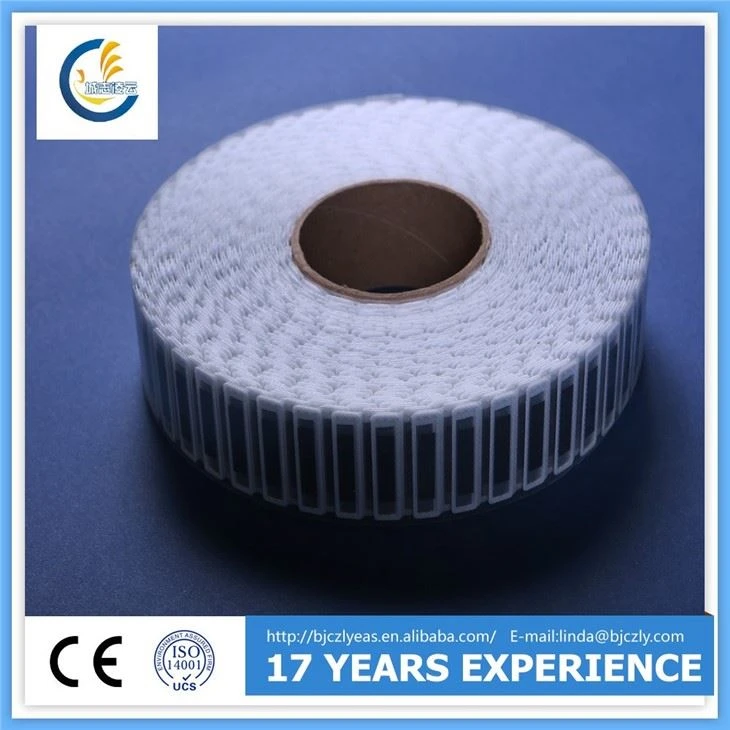
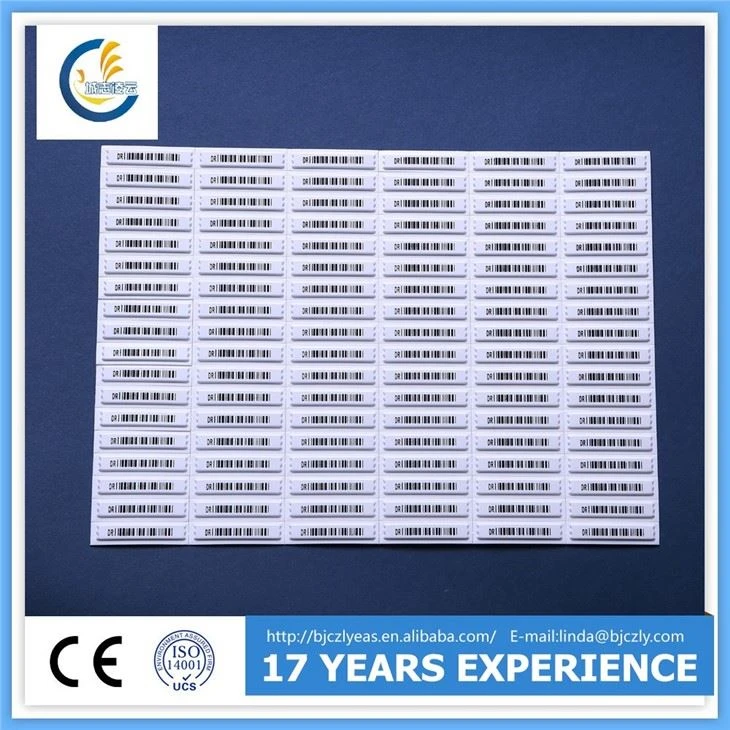
Another material aspect to consider is the adhesive used to attach the labels to products. A strong and reliable adhesive is essential to ensure that the label stays in place. Acrylic adhesives are commonly used because they offer good adhesion to a wide range of surfaces, including paper, plastic, and fabric. They also have the advantage of being relatively resistant to temperature changes and moisture, which is important for labels that might be exposed to different environmental conditions.
The quality of the materials used in AM labels has a direct impact on their performance. High - quality alloys and encapsulation materials mean that the labels are more reliable, have a longer lifespan, and are less likely to malfunction. This is crucial for retailers who rely on these labels to protect their merchandise.
If you're in the market for AM labels, it's important to understand the materials used in them. By knowing what goes into the labels, you can make a more informed decision about which type of label is best for your specific needs. Whether you're a small boutique or a large supermarket chain, having the right AM labels can help you reduce theft and protect your bottom line.
So, if you're interested in learning more about our AM labels or are looking to place an order, don't hesitate to reach out. We're here to help you find the perfect AM label solutions for your business. Whether you need soft labels for clothing, frozen labels for your freezer section, or any other type of AM label, we've got you covered.
References:
- "Magnetic Materials for Acousto - Magnetic Security Labels" - Journal of Applied Magnetics
- "Plastic Encapsulation Technologies for Electronic Components" - Plastics Engineering Journal
- "Adhesive Properties and Applications in Retail Security Labels" - Adhesives Research Review