

In the dynamic landscape of retail security, AM (Acousto - Magnetic) deactivators have emerged as indispensable tools for preventing theft and ensuring smooth customer transactions. As a leading AM deactivator supplier, I often encounter a common question from potential clients: "Is AM Deactivator free?" In this blog, I will delve into this question, exploring the factors that influence the cost of AM deactivators and providing a comprehensive understanding of the pricing models in the market.
The Basics of AM Deactivators
AM deactivators are devices used in Electronic Article Surveillance (EAS) systems. These systems are designed to protect merchandise from theft by using tags attached to products. When an item with an active tag passes through an EAS detection portal at the store exit, an alarm is triggered. AM deactivators are used at the point of sale to deactivate these tags, allowing customers to leave the store without setting off the alarm.
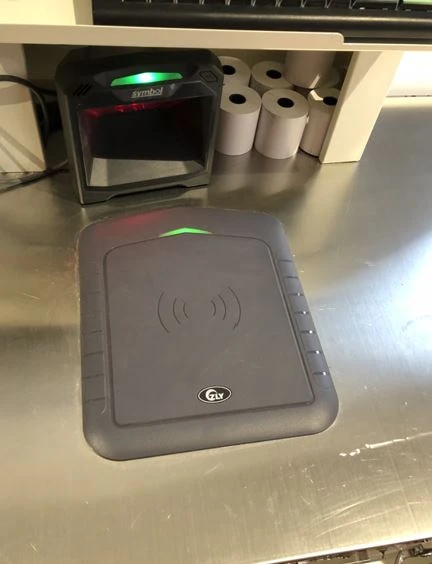
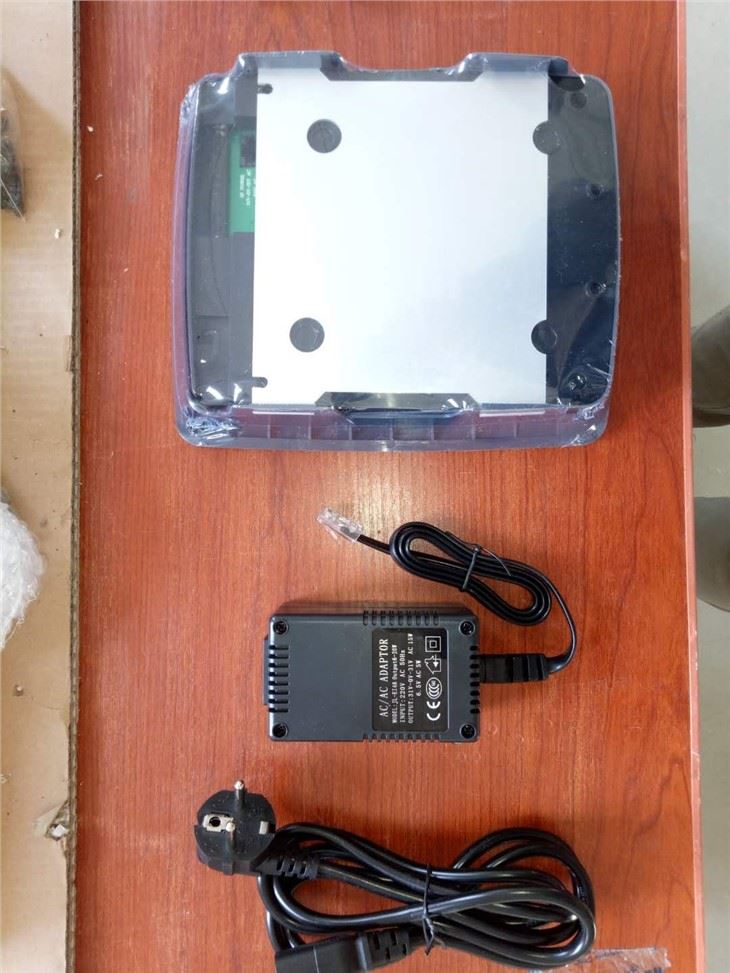
There are different types of AM deactivators available in the market, each with its own features and capabilities. For example, the AM Tag Deactivator is a versatile option that can handle various types of AM tags. The 58KHz Deactivator Soft Label is specifically designed for soft labels operating at 58KHz, which are commonly used in clothing and other textile products. And the All - in - one AM Deactivator 58KHZ combines multiple functions and is built - in for power supply, offering convenience and efficiency.
Why AM Deactivators Are Not Free
It is important to understand that AM deactivators are not free for several reasons. Firstly, the research and development (R&D) costs associated with these devices are substantial. Manufacturers invest a significant amount of time and resources in developing cutting - edge technology to ensure the effectiveness and reliability of AM deactivators. This includes conducting extensive testing to optimize the deactivation process, improve detection accuracy, and enhance the overall performance of the devices.
Secondly, the production of AM deactivators involves high - quality materials and advanced manufacturing processes. The components used in these devices need to be durable and precise to function properly in a retail environment. For example, the coils and circuits inside an AM deactivator must be carefully engineered to generate the appropriate magnetic fields for tag deactivation. The cost of sourcing these materials and manufacturing the devices to meet strict quality standards adds to the overall price.
Thirdly, there are ongoing costs for customer support, maintenance, and software updates. A reliable AM deactivator supplier will provide technical support to help clients with installation, troubleshooting, and any issues that may arise during the use of the devices. Regular maintenance is also necessary to ensure the long - term performance of the deactivators, and software updates may be required to keep up with new tag technologies and security threats.
Pricing Factors
The price of an AM deactivator can vary significantly depending on several factors. One of the main factors is the type and functionality of the device. As mentioned earlier, different types of AM deactivators are designed for specific applications. A basic deactivator may have limited features and be suitable for small - scale retailers with relatively simple security needs. On the other hand, a more advanced all - in - one AM deactivator with additional functions such as multiple frequency support, high - speed deactivation, and integration with other security systems will generally be more expensive.
Another factor is the brand and reputation of the manufacturer. Well - established brands with a proven track record of quality and reliability often command a higher price. These brands have invested heavily in building their reputation, and customers are willing to pay a premium for the assurance of getting a high - quality product and excellent customer service.
The volume of purchase also plays a role in pricing. Retailers who buy AM deactivators in large quantities may be eligible for volume discounts. This is because suppliers can benefit from economies of scale in production and distribution, allowing them to offer lower prices per unit to bulk buyers.
Value for Money
While AM deactivators are not free, they offer significant value for money in the long run. By investing in a high - quality AM deactivator, retailers can effectively reduce theft losses, which can have a substantial impact on their bottom line. A single instance of theft can result in a significant financial loss, and the cost of an AM deactivator is relatively small compared to the potential savings from preventing theft.
Moreover, an efficient AM deactivator can improve the customer experience. When customers can leave the store without setting off false alarms, it enhances their shopping experience and builds trust in the retailer. This can lead to increased customer satisfaction and loyalty, which in turn can drive more business and revenue.
Conclusion
In conclusion, AM deactivators are not free due to the high costs associated with R&D, production, customer support, and maintenance. However, the price is justified by the value they provide in terms of theft prevention, customer experience, and long - term business benefits. As a supplier of AM deactivators, I am committed to offering high - quality products at competitive prices.
If you are interested in learning more about our AM deactivators or would like to discuss your specific security needs, I encourage you to reach out to us. We can provide you with detailed product information, pricing quotes, and answer any questions you may have. Let's work together to enhance the security of your retail business.
References
- Industry reports on Electronic Article Surveillance systems
- Technical documentation from AM deactivator manufacturers
- Retail security research studies