

What training is needed to operate EAS Acrylic EM Gate?
As a reliable supplier of EAS Acrylic EM Gates, I understand the significance of proper training for operating these advanced security devices. EAS (Electronic Article Surveillance) Acrylic EM (Electromagnetic) Gates are widely used in various settings such as libraries, bookstores, and retail stores to prevent theft and ensure the security of valuable items. In this blog post, I will delve into the essential training requirements for effectively operating EAS Acrylic EM Gates.
Understanding the Basics of EAS Acrylic EM Gates
Before delving into the training aspects, it is crucial to have a clear understanding of how EAS Acrylic EM Gates function. These gates utilize electromagnetic technology to detect the presence of security tags attached to merchandise. When an item with an active tag passes through the gate, an alarm is triggered, alerting store personnel to a potential theft.
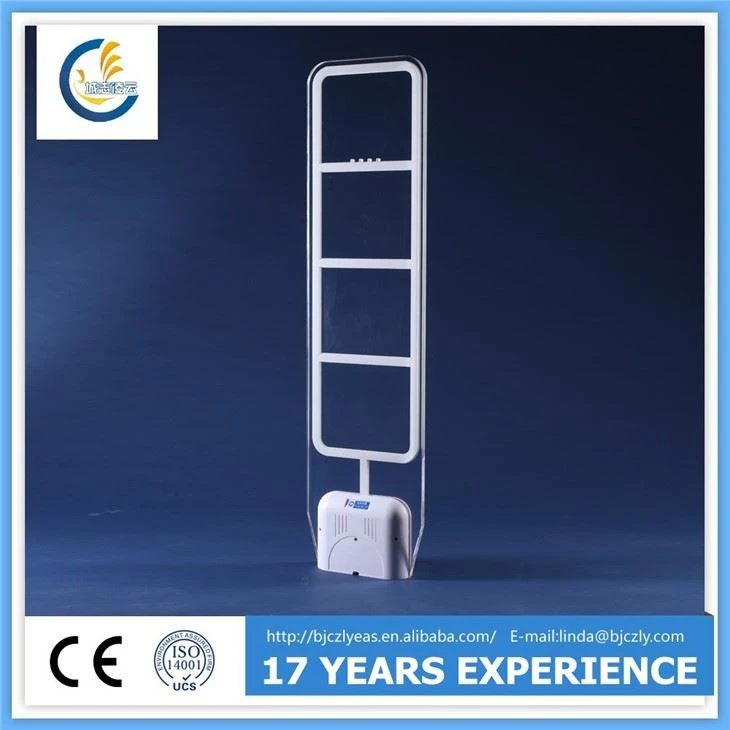
The acrylic construction of these gates offers several advantages, including durability, transparency, and aesthetic appeal. They are designed to blend seamlessly into the store environment while providing reliable security. However, to ensure optimal performance, operators need to be well-versed in the following areas:
Technical Training
Technical training is fundamental for operators to understand the inner workings of EAS Acrylic EM Gates. This includes learning about the electromagnetic principles behind the technology, how the gates are calibrated, and how to troubleshoot common issues.
- Electromagnetic Principles: Operators should have a basic understanding of electromagnetic fields and how they interact with security tags. This knowledge will help them comprehend why certain tags may trigger false alarms or fail to be detected.
- Calibration: Proper calibration of the gates is essential for accurate detection. Operators need to be trained on how to adjust the sensitivity settings of the gates based on the type of merchandise being protected and the store environment. This may involve conducting regular tests to ensure that the gates are functioning correctly.
- Troubleshooting: Despite their reliability, EAS Acrylic EM Gates may encounter occasional issues. Operators should be trained to identify and resolve common problems such as false alarms, tag interference, and power failures. This may involve checking the gate connections, replacing faulty components, or contacting technical support when necessary.
Operational Training
In addition to technical training, operators also need to receive operational training to ensure that they can use the EAS Acrylic EM Gates effectively in a real-world setting. This includes learning about the proper installation, maintenance, and use of the gates.
- Installation: Operators should be trained on how to install the EAS Acrylic EM Gates correctly. This includes positioning the gates in the appropriate location, ensuring proper electrical connections, and configuring the system settings. Proper installation is crucial for optimal performance and reliability.
- Maintenance: Regular maintenance is essential to keep the EAS Acrylic EM Gates in good working condition. Operators should be trained on how to clean the gates, check for any signs of damage or wear, and perform routine inspections. This will help prevent breakdowns and ensure that the gates continue to provide reliable security.
- Use: Operators need to be trained on how to use the EAS Acrylic EM Gates in a manner that minimizes false alarms and maximizes security. This includes understanding how to properly deactivate and reactivate security tags, how to handle customer inquiries or complaints, and how to respond to alarm activations.
Customer Service Training
In addition to technical and operational training, operators also need to receive customer service training to ensure that they can interact with customers in a professional and courteous manner. This is particularly important in a retail setting where customer satisfaction is crucial.
- Communication Skills: Operators should be trained on how to communicate effectively with customers, especially when dealing with alarm activations. They should be able to explain the security measures in place, address customer concerns, and handle any situations in a calm and respectful manner.
- Conflict Resolution: In some cases, customers may be upset or offended by the security measures in place. Operators should be trained on how to resolve conflicts in a diplomatic and professional manner. This may involve apologizing for any inconvenience, explaining the importance of security, and offering alternative solutions.
Ongoing Training and Support
Training is not a one-time event but an ongoing process. As technology evolves and new security threats emerge, operators need to receive regular updates and refresher training to stay up-to-date with the latest best practices.
- Software Updates: EAS Acrylic EM Gates often come with software that can be updated to improve performance and add new features. Operators should be trained on how to install and manage these software updates to ensure that the gates are always running the latest version.
- New Product Features: As new models of EAS Acrylic EM Gates are released, operators may need to be trained on the new features and capabilities. This will help them take full advantage of the latest technology and provide enhanced security for their customers.
- Technical Support: In addition to training, operators should also have access to technical support to assist them with any issues or questions they may have. This may include online resources, phone support, or on-site assistance.
Conclusion
In conclusion, proper training is essential for operators to effectively operate EAS Acrylic EM Gates. Technical training, operational training, customer service training, and ongoing support are all crucial components of a comprehensive training program. By investing in training, businesses can ensure that their EAS Acrylic EM Gates are used to their full potential, providing reliable security and peace of mind.
If you are interested in learning more about our EAS Acrylic EM Gates or our training programs, please do not hesitate to contact us for a consultation. We are committed to providing our customers with the highest quality products and services, and we look forward to helping you enhance the security of your business.
References
- "Enlarge And Widen The Anti Theft System Of Super Wide Wooden Library Bookstore." /eas-system/eas-em-system/enlarge-and-widen-the-anti-theft-system-of.html
- "Standard Acrylic Book Anti-theft System." /eas-system/eas-em-system/standard-acrylic-book-anti-theft-system.html
- "EM library book detection gate." /eas-system/eas-em-system/eas-abs-plastic-em-sensor.html