

As a supplier of EAS Acrylic EM Gates, I've witnessed firsthand the growing adoption of these systems in pharmacies. Electronic Article Surveillance (EAS) technology, particularly the Acrylic EM (Electromagnetic) Gates, offers a valuable solution for preventing theft and enhancing security. However, like any technology, it comes with its own set of challenges that pharmacies need to address to ensure its effective implementation.
1. Integration with Pharmacy Layout
One of the primary challenges of using EAS Acrylic EM Gates in a pharmacy is integrating them seamlessly into the existing layout. Pharmacies often have a complex arrangement of shelves, counters, and display units, which can make it difficult to find the optimal location for the gates. The gates need to be placed in a way that allows for easy customer flow while still providing adequate coverage to detect potential theft.
For instance, if the gates are placed too close to the entrance, they may cause congestion and inconvenience for customers. On the other hand, if they are placed too far inside the store, there is a risk of shoplifters slipping through undetected. Additionally, the height and width of the gates need to be considered to ensure they do not obstruct the view of the pharmacy staff or interfere with the movement of large items such as wheelchairs or strollers.
To overcome this challenge, it is essential to conduct a thorough site survey before installing the EAS Acrylic EM Gates. This survey should take into account the layout of the pharmacy, the traffic flow, and the location of high - risk areas. Based on the survey results, a customized installation plan can be developed to ensure the gates are placed in the most effective position.
2. False Alarms
False alarms are a common issue with EAS systems, including Acrylic EM Gates. These alarms can be triggered by a variety of factors, such as electronic interference, the presence of metal objects in the vicinity of the gates, or improper tagging of products. In a pharmacy setting, false alarms can be particularly disruptive as they can cause unnecessary stress for customers and staff, and may also lead to a decrease in customer satisfaction.
Electronic interference can come from a variety of sources, such as nearby electronic devices, fluorescent lights, or even other EAS systems. Metal objects, such as keys, coins, or jewelry, can also cause false alarms if they pass through the gates. In addition, if the tags on the products are not properly attached or are damaged, they may not function correctly and can trigger false alarms.
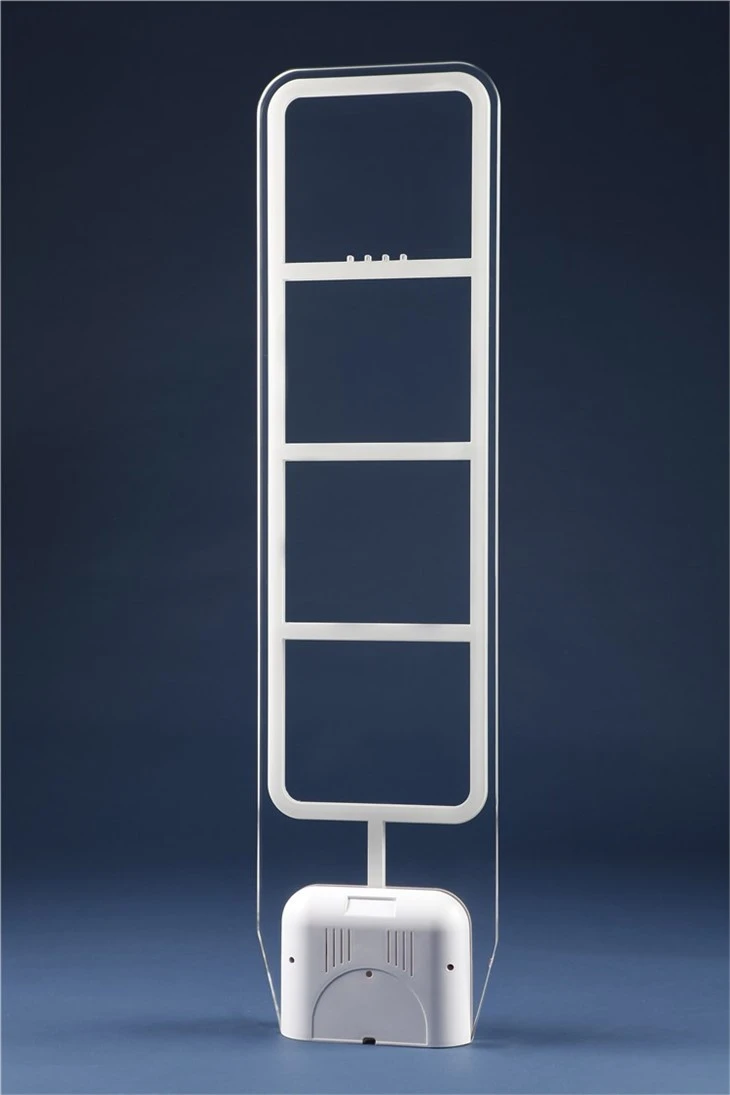

To reduce the occurrence of false alarms, it is important to ensure that the EAS Acrylic EM Gates are installed away from sources of electronic interference. Regular maintenance and calibration of the gates are also necessary to ensure they are functioning properly. Training the pharmacy staff on proper tagging procedures can also help to minimize false alarms caused by improper tagging.
3. Tagging and De - tagging Processes
Proper tagging and de - tagging of products are crucial for the effective operation of EAS Acrylic EM Gates. In a pharmacy, there are a large number of products with different shapes, sizes, and packaging materials, which can make the tagging process challenging. Some products may be too small or delicate to be tagged, while others may have packaging that is difficult to attach tags to.
Moreover, the de - tagging process at the point of sale needs to be efficient and accurate. If the tags are not removed properly, customers may set off the alarms when leaving the store, which can be embarrassing for both the customer and the pharmacy staff. On the other hand, if the tags are removed prematurely, there is a risk of theft.
To address these challenges, it is important to select the appropriate tags for different types of products. There are various types of tags available, such as hard tags, soft tags, and ink tags, each with its own advantages and disadvantages. Training the pharmacy staff on the proper use of these tags and the de - tagging process is also essential to ensure smooth operation.
4. Staff Training
Proper staff training is essential for the successful implementation of EAS Acrylic EM Gates in a pharmacy. The staff needs to be trained on how to operate the gates, how to handle false alarms, and how to tag and de - tag products correctly. They also need to be aware of the importance of security and how the EAS system can help to prevent theft.
However, providing comprehensive training can be time - consuming and costly. In addition, turnover in pharmacy staff can be high, which means that new employees need to be trained regularly. This can be a challenge for pharmacies, especially those with limited resources.
To overcome this challenge, it is important to develop a comprehensive training program that covers all aspects of the EAS Acrylic EM Gates. This program should be updated regularly to reflect any changes in the technology or the pharmacy's security policies. Providing ongoing support and refresher training to the staff can also help to ensure that they are proficient in using the system.
5. Compatibility with Existing Systems
Many pharmacies already have existing security systems, such as CCTV cameras, access control systems, or point - of - sale (POS) systems. Integrating the EAS Acrylic EM Gates with these existing systems can be a challenge. The gates need to be compatible with the pharmacy's network infrastructure and the software used by the other security systems.
For example, if the EAS system is not integrated with the POS system, it may be difficult to track which products have been tagged and which have been sold. This can make it challenging to reconcile inventory and detect potential theft. Similarly, if the EAS system is not integrated with the CCTV system, it may be difficult to identify shoplifters and provide evidence for prosecution.
To ensure compatibility, it is important to work with a supplier who has experience in integrating EAS systems with other security systems. The supplier should be able to provide technical support and guidance to ensure that the integration is seamless.
6. Cost
The cost of purchasing, installing, and maintaining EAS Acrylic EM Gates can be a significant challenge for pharmacies, especially small - scale or independent pharmacies. The initial investment in the gates, tags, and installation can be substantial, and there are also ongoing costs associated with maintenance, calibration, and replacement of tags.
In addition, the cost - effectiveness of the EAS system needs to be considered. While the system can help to prevent theft and reduce losses, the cost of implementing and operating the system needs to be balanced against the potential savings.
To address the cost issue, pharmacies can explore different financing options, such as leasing or installment - plan payments. They can also look for suppliers who offer competitive pricing and cost - effective solutions. Conducting a cost - benefit analysis before investing in the EAS Acrylic EM Gates can also help pharmacies to make an informed decision.
Conclusion
Despite the challenges, EAS Acrylic EM Gates can be a valuable asset for pharmacies in preventing theft and enhancing security. By addressing the challenges of integration, false alarms, tagging and de - tagging, staff training, compatibility, and cost, pharmacies can ensure the effective implementation of these systems.
If you are a pharmacy owner or manager interested in learning more about how EAS Acrylic EM Gates can benefit your business, or if you have any questions about the challenges mentioned above, please feel free to contact us. We are a professional supplier of EAS Acrylic EM Gates and have extensive experience in providing customized solutions for pharmacies. You can also visit our website to learn more about our products: library Acrylic anti - theft pedestal, University books anti - theft management system, EAS EM Library security door system.
References
- Smith, J. (2018). Electronic Article Surveillance: A Comprehensive Guide. Security Journal, 25(3), 210 - 225.
- Johnson, A. (2019). Challenges and Solutions in Implementing EAS Systems in Retail Stores. Retail Management Review, 12(2), 45 - 56.
- Brown, C. (2020). The Impact of False Alarms on Customer Satisfaction in Retail Environments. Journal of Retail Customer Experience, 15(1), 78 - 90.