

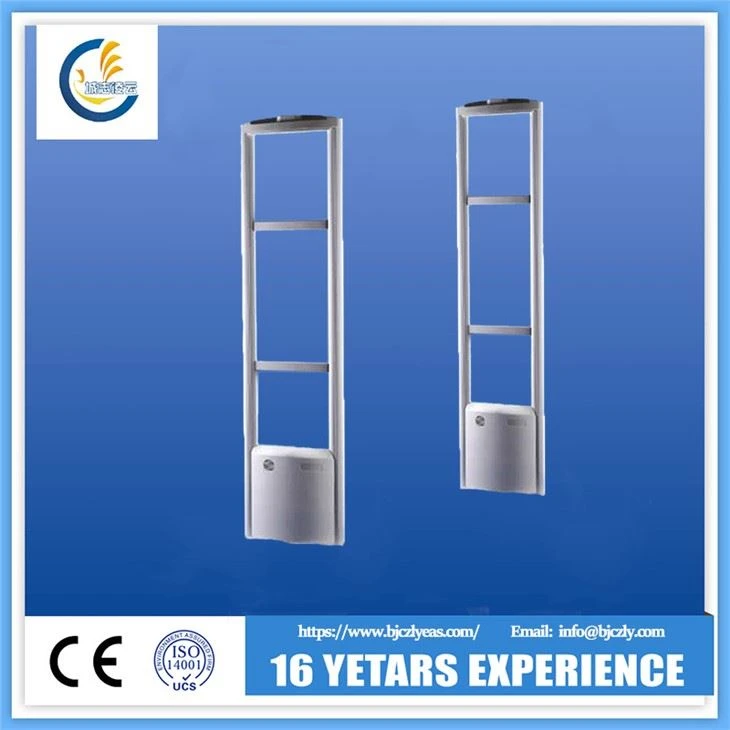
As a supplier of the EAS RF System, I've witnessed firsthand the wide - spread adoption of this technology in various retail and security settings. The Electronic Article Surveillance Radio - Frequency (EAS RF) System is renowned for its cost - effectiveness and ease of installation, making it a popular choice for many businesses. However, like any technology, it is not without its drawbacks. In this blog, I'll delve into the disadvantages of the EAS RF System, providing an in - depth analysis to help potential customers make informed decisions.
Limited Detection Range
One of the most significant limitations of the EAS RF System is its relatively limited detection range. Compared to other EAS technologies such as Acousto - Magnetic (AM) or Microwave systems, RF systems typically have a shorter detection distance. The standard detection range for an EAS RF System usually falls between 1.2 to 1.8 meters. This can be a major issue for larger retail stores or areas with high - volume foot traffic.
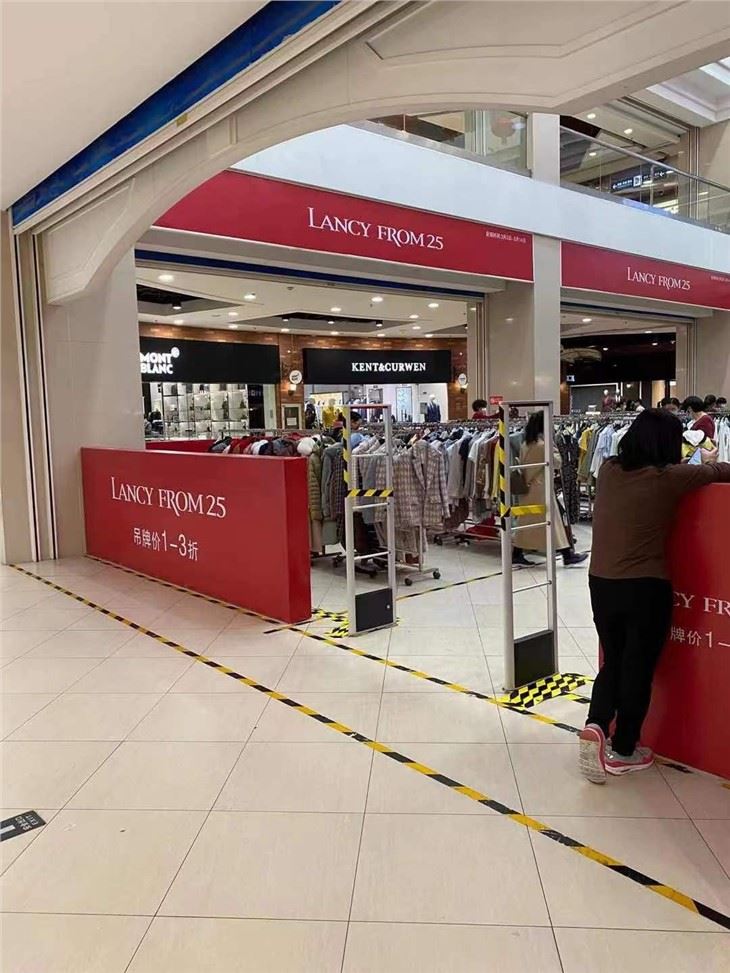
In a large - scale supermarket, for example, customers may carry items through the aisles without passing through the optimal detection zone of the RF antennas. Shoplifters can take advantage of this shortcoming by deliberately avoiding the detection area, increasing the risk of theft going undetected. Moreover, in busy environments, the short range may not be sufficient to cover the entire entrance or exit, leaving blind spots that thieves can exploit. This limitation often requires businesses to install multiple sets of antennas, which not only increases the initial investment but also adds to the complexity of the system setup. You can explore more about EAS RF Security System Products to understand the different configurations available.
Susceptibility to Interference
The EAS RF System operates on radio - frequency signals, which makes it highly susceptible to interference from various sources. Radio - frequency interference (RFI) can come from a multitude of electronic devices commonly found in retail environments, such as Wi - Fi routers, mobile phones, and even some types of lighting fixtures.
When RFI occurs, it can disrupt the normal operation of the RF system, leading to false alarms or missed detections. False alarms are not only annoying for store employees and customers but also can desensitize staff to the alarm signals, causing them to ignore real threats. Missed detections, on the other hand, are even more concerning as they directly compromise the security of the store. For instance, if a Wi - Fi router is placed too close to an RF antenna, the signals from the router can interfere with the RF signals, making it difficult for the system to accurately detect the presence of tagged items. This interference issue can be particularly challenging to resolve, as it may require extensive troubleshooting to identify and eliminate the source of the interference.
Tagging Limitations
The tags used in the EAS RF System also have several limitations. First, RF tags are relatively large compared to tags used in other EAS technologies. This can be a problem for retailers who sell small or high - end items, as the large tags may not be aesthetically pleasing or may not be suitable for attaching to delicate products. For example, in a jewelry store, the large RF tags may detract from the appearance of the jewelry, and it may be difficult to attach them without causing damage to the items.
Second, RF tags have a limited lifespan. Over time, the battery (if it is an active tag) or the internal components of the tag can degrade, reducing its effectiveness. This means that retailers need to regularly replace the tags, which adds to the ongoing cost of using the EAS RF System. Additionally, the readability of RF tags can be affected by the orientation of the tag and the materials surrounding it. If a tag is placed at an incorrect angle or is covered by certain materials, the RF system may not be able to detect it properly.
Inability to Provide Detailed Information
Another drawback of the EAS RF System is its inability to provide detailed information about the detected items. When an alarm is triggered, the system only indicates that a tagged item has passed through the detection zone. It does not provide any information about the specific item, such as its type, value, or quantity.
This lack of detailed information can be a problem for retailers in terms of inventory management and loss prevention. For example, if a large number of items are being stolen, the retailer has no way of knowing which specific products are being targeted. This makes it difficult to implement targeted security measures or to accurately track inventory shrinkage. In contrast, some more advanced EAS technologies can provide detailed data about the detected items, allowing retailers to better manage their security and inventory.
High False Alarm Rate
As mentioned earlier, the EAS RF System has a relatively high false alarm rate. This is mainly due to its susceptibility to interference and the limitations of the tag - reading technology. False alarms can occur for a variety of reasons, including RFI, improper tag placement, or the presence of other RF - emitting devices in the vicinity.
A high false alarm rate can have several negative impacts on a business. It can disrupt the normal operation of the store, causing inconvenience to customers and employees. It can also lead to increased labor costs, as employees need to stop their work to investigate each alarm. Moreover, frequent false alarms can create a negative shopping experience for customers, potentially driving them away from the store.
Compatibility Issues
The EAS RF System may also face compatibility issues with other security or business systems. In today's integrated business environment, retailers often use multiple systems for inventory management, point - of - sale (POS), and security. However, the EAS RF System may not be fully compatible with all of these systems.
For example, integrating the RF system with a POS system can be challenging. The RF system may not be able to communicate effectively with the POS system to provide real - time information about the items being purchased. This can lead to inefficiencies in inventory management, as the retailer may not be able to accurately track which items have been sold and which are still in stock. Additionally, compatibility issues can arise when trying to integrate the RF system with other security technologies, such as CCTV cameras or access control systems.
Conclusion
Despite its widespread use, the EAS RF System has several notable disadvantages. From its limited detection range and susceptibility to interference to tagging limitations and a high false alarm rate, these drawbacks can pose significant challenges for retailers. However, it's important to note that these disadvantages do not necessarily mean that the EAS RF System is not a viable option. In some cases, the cost - effectiveness and ease of installation of the RF system may outweigh its limitations.
If you're considering implementing an EAS RF System for your business, it's crucial to carefully evaluate these disadvantages and determine whether they are acceptable given your specific security and business needs. Our company offers a wide range of Aluminium RF Mono Anti - theft System and RF Dual Antenna products, which are designed to address some of these issues. We are always ready to assist you in finding the most suitable solution for your business. If you have any questions or would like to discuss your requirements further, please feel free to contact us for a procurement consultation.
References
- "Electronic Article Surveillance: Technologies and Applications" by various industry experts.
- Retail Security Reports from leading market research firms.
- Manufacturer's documentation on EAS RF System products.