

Hey there! As a supplier of the Alloy EM System, I've spent a good amount of time working with this technology. It's a pretty cool system, but like any tech out there, it's got its limitations. Let's dig into what those might be.
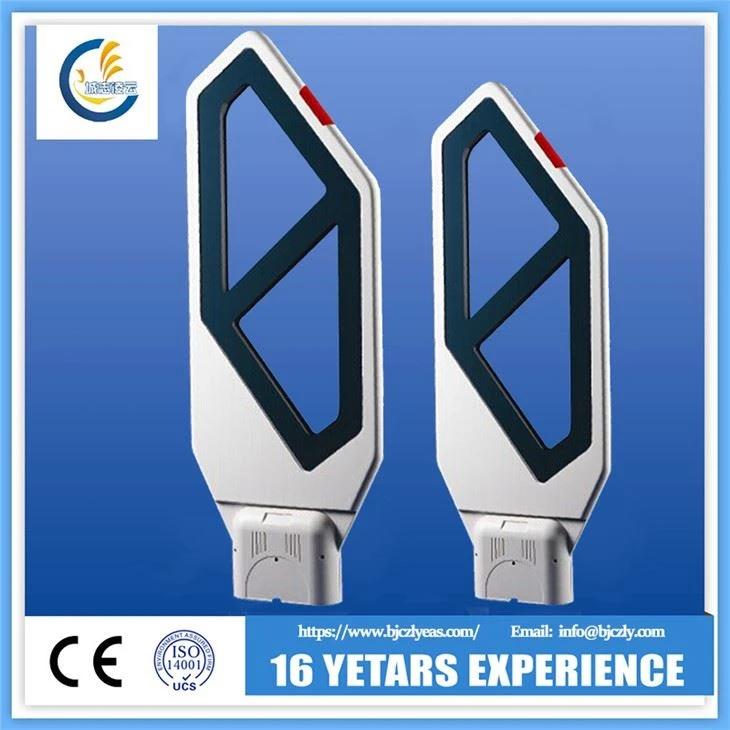
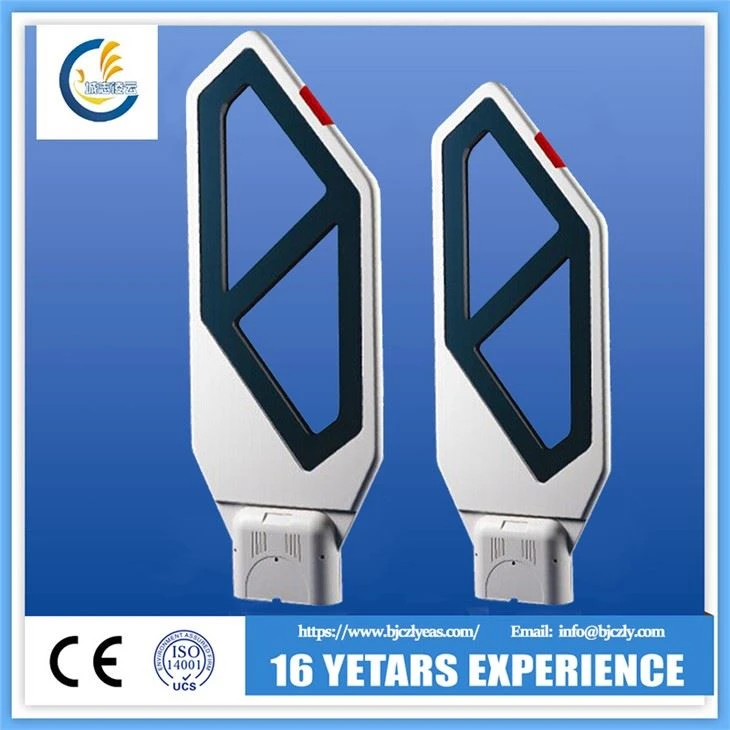
First off, let's talk about the detection range. The Alloy EM System, while effective in many cases, has a relatively limited detection range. In a large - scale retail environment, for example, if you've got a big store with wide aisles, the system might not be able to detect items tagged with EM labels from a far - off distance. This means you might need to install more units of Library Security Scanner Gate to cover the entire area. And that can be a bit of a hassle, not to mention the extra cost associated with purchasing and installing additional equipment.
Another limitation is related to environmental interference. The EM signals used in the Alloy EM System can be affected by various factors in the environment. For instance, metal objects in the vicinity can disrupt the electromagnetic field. In a store that sells a lot of metal products, like a hardware store, the presence of large metal shelving units or metal tools can cause false alarms or reduce the system's ability to accurately detect tagged items. Even electrical equipment can generate electromagnetic noise that interferes with the EM signals. So, if you're planning to use the system in an area with a high concentration of metal or electrical devices, you'll need to be extra careful about how you position the EM Dual - channel Antenna to minimize interference.
The sensitivity of the Alloy EM System can also be a double - edged sword. On one hand, a high - sensitivity setting can help detect even the smallest of tagged items. But on the other hand, it can also lead to a higher rate of false alarms. For example, if there are a lot of people moving around in the detection area, the movement itself can sometimes trigger the system. This can be really annoying for both the store staff and the customers. And constantly dealing with false alarms can make the staff less likely to take the alarms seriously when a real theft attempt occurs.
Now, let's look at the issue of tag compatibility. The Alloy EM System relies on specific types of EM tags. Not all products can be easily tagged with these EM tags. Some items might have a shape or material that makes it difficult to attach the tags securely. For example, products with irregular shapes or very smooth surfaces might not hold the tags well. Also, if you're dealing with high - value items that require a more discreet tagging solution, the standard EM tags might not be the best option. This can limit the system's applicability in certain industries or for certain types of products.
In terms of maintenance, the Alloy EM System also has its challenges. The components of the system, such as the EAS Detects EM Gate, need to be regularly checked and calibrated. Over time, the performance of the system can degrade due to normal wear and tear. And if you're not on top of the maintenance schedule, the system might start to malfunction. This could mean missed detections or false alarms, which can have a negative impact on your business.
The cost is another factor to consider. While the Alloy EM System can be a valuable investment for preventing theft, the initial setup cost can be quite high. You need to purchase the gates, antennas, and tags, and then there's the cost of installation. And as I mentioned earlier, in some cases, you might need to buy additional units to cover a larger area. Plus, the ongoing cost of replacing tags and maintaining the system can add up over time. This can be a deterrent for small businesses or those on a tight budget.
The technology behind the Alloy EM System is also somewhat limited in terms of its ability to differentiate between different types of tags. If you're using the system in an environment where there are multiple types of EM - tagged items, it might not be able to tell them apart. For example, in a library that has different types of media (books, CDs, DVDs) all tagged with EM labels, the system can't distinguish between the different media types when an alarm goes off. This can make it more difficult for staff to quickly identify the source of the problem.
Despite these limitations, the Alloy EM System still has a lot of benefits. It's a reliable way to deter theft in many retail and library settings. But it's important to be aware of its limitations so that you can make an informed decision about whether it's the right fit for your business.
If you're thinking about using the Alloy EM System for your business, I'd be more than happy to chat with you about it. We can discuss how to work around these limitations and make the most of the system's features. Whether you're in a small store or a large - scale retail chain, we can find a solution that suits your needs. So, don't hesitate to reach out and start a conversation about how we can help you keep your business secure.
References
- General knowledge of electromagnetic security systems and their applications in retail and library settings.
- Industry reports on the performance and limitations of EM - based anti - theft systems.