

What are the symptoms of electromagnetic field exposure detected by an EM Detector?
As a supplier of EM Detectors, I've seen a growing interest in understanding the effects of electromagnetic field (EMF) exposure. EMF is all around us, from the electrical wiring in our homes to the wireless devices we use daily. With the increasing use of technology, concerns about the potential health impacts of EMF exposure have also risen. This blog will explore the symptoms that may be associated with EMF exposure as detected by an EM Detector.
Understanding Electromagnetic Fields
Electromagnetic fields are a combination of electric and magnetic fields that are created by the movement of electric charges. There are two main types of EMF: non-ionizing and ionizing. Non-ionizing EMF includes radiofrequency (RF) radiation from cell phones, Wi-Fi routers, and microwave ovens, as well as extremely low-frequency (ELF) fields from power lines and electrical appliances. Ionizing EMF, on the other hand, has enough energy to remove tightly bound electrons from atoms, and it includes sources such as X-rays and gamma rays.
Our EM Detectors are designed to measure both non-ionizing and ionizing EMF levels accurately. They can detect the presence of EMF in various environments, helping users to identify potential sources of exposure. For example, our EM Handheld Detector-EM Tester is a portable device that can be used to quickly assess EMF levels in different locations, whether it's at home, in the office, or outdoors.
Symptoms of Electromagnetic Field Exposure
The symptoms of EMF exposure can vary widely from person to person, and they may also depend on the intensity and duration of the exposure. Some people may be more sensitive to EMF than others, and they may experience symptoms even at relatively low levels of exposure. Here are some of the common symptoms that have been reported by individuals who believe they are affected by EMF:
1. Headaches and Migraines
One of the most frequently reported symptoms of EMF exposure is headaches. Some people may experience mild to severe headaches, which can be accompanied by other symptoms such as nausea, dizziness, and sensitivity to light and sound. The exact mechanism by which EMF may cause headaches is not fully understood, but it is thought that the interaction between EMF and the brain's electrical activity may play a role.
Our EM Detectors can help to identify areas where EMF levels are elevated, allowing individuals to take steps to reduce their exposure. For example, if high EMF levels are detected near a Wi-Fi router, the router can be moved to a different location or turned off when not in use.
2. Fatigue and Sleep Disturbances
Many people report feeling tired and fatigued after prolonged exposure to EMF. This may be due to the disruption of the body's natural sleep-wake cycle. EMF exposure has been shown to interfere with the production of melatonin, a hormone that regulates sleep. As a result, individuals may have difficulty falling asleep, staying asleep, or may experience poor-quality sleep.
Using our EM all-in-one Activation Deactivation and Check device, you can check the EMF levels in your bedroom and take appropriate measures to create a more sleep-friendly environment. This may include turning off electronic devices before bedtime, using EMF shielding materials, or relocating sources of EMF.
3. Skin Problems
Some individuals may experience skin problems such as rashes, itching, and burning sensations as a result of EMF exposure. The skin is the body's largest organ, and it is directly exposed to the external environment. EMF may cause changes in the skin's electrical properties, leading to inflammation and other skin-related issues.
Our EM Detectors can be used to monitor EMF levels in areas where skin problems are reported. By identifying and reducing exposure to high EMF sources, it may be possible to alleviate these symptoms.
4. Cognitive and Behavioral Changes
There is some evidence to suggest that EMF exposure may affect cognitive function and behavior. Some people may experience difficulties with concentration, memory, and learning. They may also exhibit changes in mood, such as irritability, anxiety, and depression.
It's important to note that the scientific evidence regarding the link between EMF exposure and cognitive and behavioral changes is still limited and controversial. However, our EM Detectors can provide valuable information about EMF levels in the environment, which can be used to make informed decisions about reducing exposure.
5. Eye Problems
Prolonged exposure to EMF, especially from electronic devices such as smartphones, tablets, and computers, may cause eye problems such as dry eyes, eye strain, and blurred vision. The blue light emitted by these devices can also disrupt the body's circadian rhythm and affect sleep quality.
Our EM Book Label Checker can be used to check the EMF levels in areas where you spend a lot of time using electronic devices. By reducing EMF exposure and taking regular breaks from screen time, you can help to protect your eyes.
Scientific Research on Electromagnetic Field Exposure
The scientific community has been studying the potential health effects of EMF exposure for many years. While some studies have suggested a possible link between EMF exposure and certain health problems, others have found no significant association. The World Health Organization (WHO) has conducted extensive research on EMF and has concluded that there is no conclusive evidence to establish a causal relationship between non-ionizing EMF exposure and adverse health effects at levels below international guidelines.
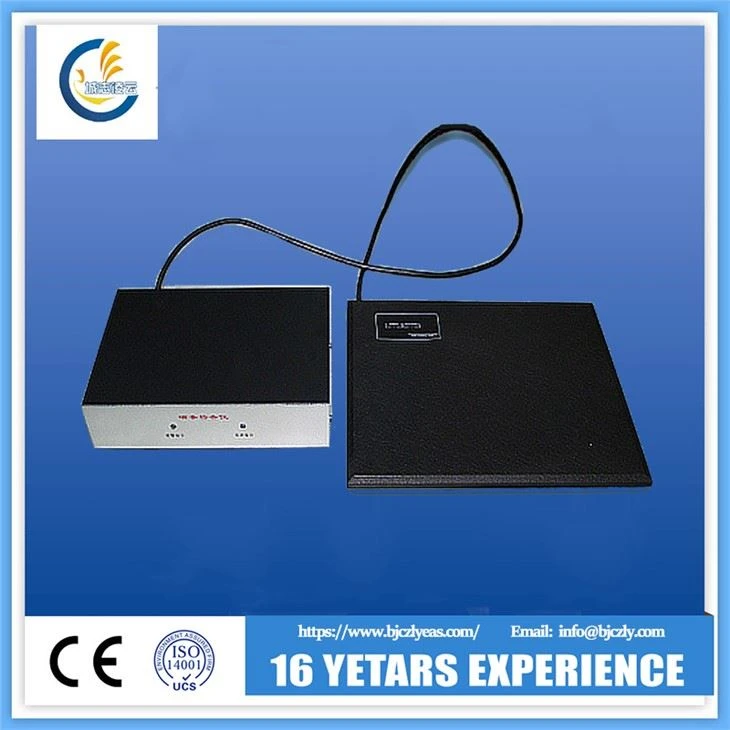

However, it's important to note that the research is ongoing, and new studies are constantly being conducted. As a supplier of EM Detectors, we believe in providing our customers with the tools and information they need to make informed decisions about their health and safety. Our EM Detectors are designed to meet the highest standards of accuracy and reliability, and they can help users to monitor EMF levels in their environment and take appropriate measures to reduce exposure if necessary.
Reducing Electromagnetic Field Exposure
If you are concerned about EMF exposure, there are several steps you can take to reduce your risk. Here are some practical tips:
- Limit your use of electronic devices: Reduce the amount of time you spend using smartphones, tablets, and computers, especially before bedtime.
- Keep a safe distance from sources of EMF: Avoid sitting too close to Wi-Fi routers, microwave ovens, and other sources of EMF.
- Use EMF shielding materials: There are various types of EMF shielding materials available, such as curtains, blankets, and clothing, which can help to reduce exposure to EMF.
- Turn off electronic devices when not in use: This includes turning off lights, televisions, and other appliances when they are not being used.
- Create an EMF-free zone in your home: Designate a room in your home as an EMF-free zone, where you can relax and sleep without being exposed to EMF.
Our EM Detectors can be used to monitor the effectiveness of these measures and ensure that you are maintaining a safe level of EMF exposure.
Conclusion
In conclusion, while the symptoms of electromagnetic field exposure can be diverse and controversial, it's important to be aware of the potential risks and take steps to reduce exposure. Our EM Detectors are valuable tools that can help you to identify and monitor EMF levels in your environment. By using our products, you can make informed decisions about your health and safety.
If you are interested in learning more about our EM Detectors or would like to discuss your specific needs, please feel free to contact us. We are committed to providing high-quality products and excellent customer service, and we look forward to working with you to address your concerns about EMF exposure.
References
- World Health Organization. (2014). Electromagnetic fields and public health: Mobile phones. Retrieved from https://www.who.int/peh-emf/publications/fs193/en/
- International Commission on Non-Ionizing Radiation Protection (ICNIRP). (2020). Guidelines for limiting exposure to time-varying electric, magnetic, and electromagnetic fields (up to 300 GHz). Retrieved from https://www.icnirp.org/cms/upload/publications/ICNIRPemfgdl-2020.pdf