

As a provider of RF Mono Systems, I often encounter inquiries from clients about the costs associated with these systems. Understanding the cost of an RF Mono System is crucial for businesses looking to enhance their security measures. In this blog post, I'll break down the various factors that contribute to the overall cost of an RF Mono System and provide insights to help you make an informed decision.
Understanding RF Mono Systems
Before delving into the costs, let's briefly understand what an RF Mono System is. RF (Radio Frequency) Mono Systems are widely used in retail environments for anti - theft purposes. These systems work by emitting a radio frequency signal between two antennas. When an item with an active RF tag passes through the detection field, an alarm is triggered. The EAS RF Mono Anti - theft System is a prime example of such a system, designed to protect merchandise from shoplifting.
Components of an RF Mono System and Their Costs
1. Antenna Gates
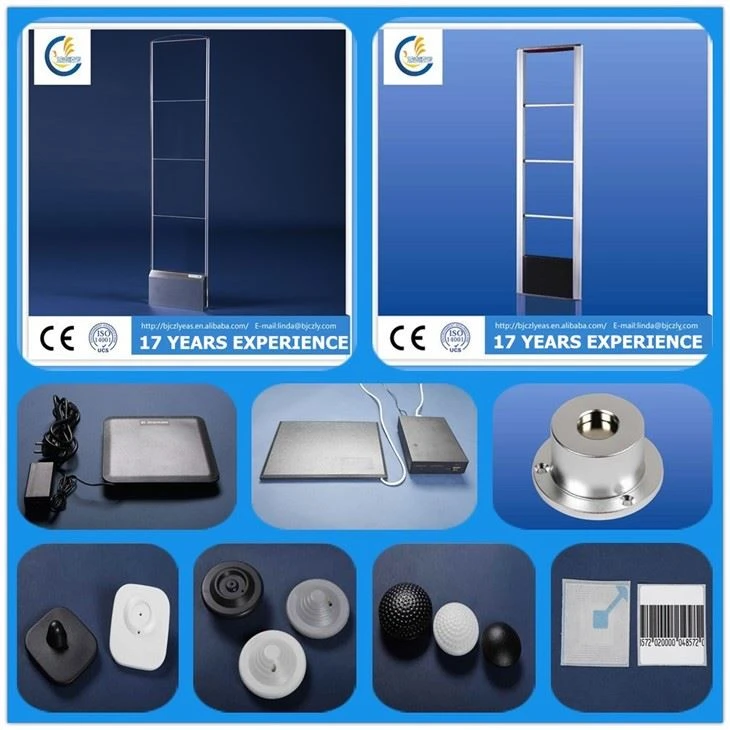
The antenna gates are the most visible part of an RF Mono System. They are installed at the entrances and exits of a store. The Clothing Store Anti - theft RF System Gate is specifically designed for clothing stores, but similar gates can be customized for other retail environments as well.
The cost of antenna gates can vary significantly depending on several factors. The material used in the construction is a major determinant. Gates made from high - quality materials such as aluminum alloy, like the EAS System RFDual Antenna Aluminum Alloy Material, tend to be more expensive. These materials offer better durability and a more professional appearance.
On average, a basic set of RF Mono antenna gates can cost anywhere from a few hundred dollars to over a thousand dollars per set. High - end models with advanced features such as adjustable sensitivity, multiple frequency settings, and enhanced alarm systems can cost even more.
2. Tags and Labels
RF tags and labels are attached to the merchandise. They are the key elements that trigger the alarm when an unauthorized exit occurs. The cost of tags and labels depends on the type, quantity, and quality.
There are different types of RF tags, including hard tags and soft labels. Hard tags are reusable and are typically used for high - value items. They are more expensive upfront but can save costs in the long run as they can be reused multiple times. Soft labels, on the other hand, are usually single - use and are more affordable. They are commonly used for lower - value items.
For small businesses, the initial investment in tags and labels can range from a few dozen dollars to a few hundred dollars, depending on the inventory size. Larger retailers may need to invest thousands of dollars in tags and labels to cover their entire stock.
3. Deactivation and Activation Devices
To allow legitimate sales of tagged items, deactivation devices are required at the point of sale. These devices neutralize the RF tags so that they do not trigger the alarm when leaving the store. Activation devices are used to re - activate the tags if the item is returned.
The cost of deactivation and activation devices varies based on their functionality and quality. Basic models can cost a few hundred dollars, while more advanced devices with additional features such as batch deactivation can cost over a thousand dollars.
4. Installation and Setup
Proper installation and setup of an RF Mono System are essential for its effective operation. While some smaller businesses may attempt a DIY installation, it is often recommended to have a professional install the system.
The cost of installation depends on the complexity of the store layout, the number of antenna gates, and the location. In general, installation costs can range from a few hundred dollars to several thousand dollars, especially for large - scale installations in multi - level stores or complex retail environments.
Hidden Costs
In addition to the direct costs mentioned above, there are also some hidden costs associated with an RF Mono System.
1. Maintenance
Like any electronic system, RF Mono Systems require regular maintenance to ensure optimal performance. This includes checking the antenna gates for proper alignment, testing the sensitivity of the system, and replacing any worn - out components.
The cost of maintenance can vary depending on the service provider and the frequency of maintenance. On average, annual maintenance costs can range from a few hundred dollars to over a thousand dollars.
2. Training
Employees need to be trained on how to use the RF Mono System effectively. This includes understanding how to attach and remove tags, operate the deactivation and activation devices, and respond to alarms.
Training costs can include the time spent by employees in training sessions and, in some cases, the cost of hiring a professional trainer. While it may not be a significant monetary cost, the time spent on training can impact the productivity of the business.
Factors Affecting the Overall Cost
1. Store Size
The size of the store plays a significant role in determining the cost of an RF Mono System. Larger stores require more antenna gates to cover all entrances and exits, which increases the cost of the system. Additionally, more tags and labels may be needed to protect a larger inventory.
2. Security Requirements
Businesses with higher security requirements may need to invest in more advanced RF Mono Systems. For example, stores located in high - crime areas or those selling high - value items may require systems with higher sensitivity and more advanced alarm features, which can increase the cost.
3. Brand and Quality
The brand and quality of the RF Mono System also affect the cost. Well - known brands with a reputation for reliability and performance tend to be more expensive. However, investing in a high - quality system can provide better long - term value as it is less likely to malfunction and may require less maintenance.
Making an Informed Decision
When considering the cost of an RF Mono System, it's important to take a holistic approach. Instead of focusing solely on the upfront cost, consider the long - term benefits and savings. A well - implemented RF Mono System can significantly reduce the losses due to shoplifting, which can offset the initial investment over time.
It's also advisable to get quotes from multiple suppliers. Compare the features, quality, and prices of different systems to find the one that best suits your business needs and budget.
Conclusion
In conclusion, the cost of an RF Mono System is influenced by multiple factors, including the components of the system, hidden costs, store size, security requirements, and brand. As a provider of RF Mono Systems, I understand that every business has unique needs and budgets. We are committed to providing high - quality systems at competitive prices.
If you are interested in learning more about our RF Mono Systems or would like to discuss your specific requirements, please reach out to us. We would be happy to assist you in finding the right solution for your business and guide you through the procurement process.
References
- Loss Prevention Magazine. "The Importance of Anti - Theft Systems in Retail."
- Retail Industry Report. "Trends in Retail Security Systems."
- Manufacturer's Manuals for RF Mono Systems.