

What is the difference between an RF Deactivator and a jammer?
In the realm of electronic security and anti - theft systems, two terms that often get confused are RF (Radio Frequency) Deactivators and jammers. As an RF Deactivator supplier, I am frequently asked about the differences between these two devices. Understanding these differences is crucial for businesses and individuals who are looking to implement effective security measures.
RF Deactivator: How it Works and its Applications
An RF Deactivator is a specialized device designed to work within the framework of Electronic Article Surveillance (EAS) systems. EAS systems are widely used in retail stores, libraries, and other establishments to prevent theft. RF Deactivators are specifically engineered to deactivate the RF tags or labels attached to merchandise.
The basic principle behind an RF Deactivator is to send a specific radio - frequency signal to the RF tags. These tags are usually made of a thin strip of metallic material that resonates at a particular frequency. When the deactivator emits the correct frequency, it disrupts the internal circuitry of the tag, rendering it inactive. Once the tag is deactivated, it will no longer trigger the alarm when passing through the EAS detection gates at the exit of a store or facility.
For example, in a retail environment, when a customer purchases an item with an RF tag, the cashier uses an RF Deactivator to deactivate the tag. This allows the customer to leave the store without setting off the alarm. There are different types of RF Deactivators available in the market. One popular type is the EAS Split RF Label Deactivator. This type of deactivator has a split design, which makes it easy to handle and deactivate tags on various types of merchandise, including clothing, electronics, and household items.

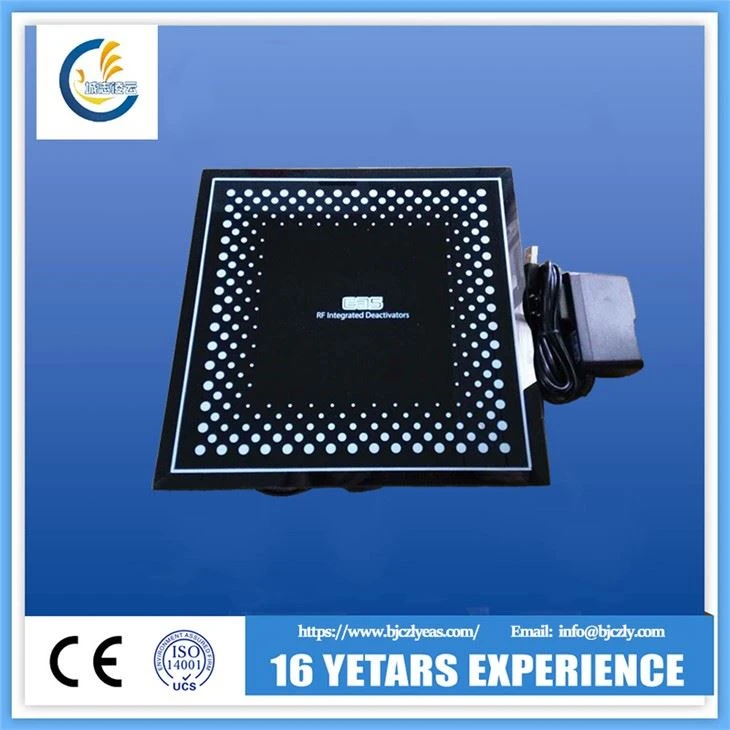
Another type is the EAS Deactivator, which is an all - in - one solution for deactivating RF soft labels. It is compact and can be easily integrated into the point - of - sale system in a store. The EAS Label Deactivator Split Type is also a great option for businesses that need a reliable and efficient way to deactivate RF tags.
RF Deactivators are highly regulated and operate within specific frequency bands that are allocated for EAS systems. They are designed to be used in a controlled environment, such as at the point of sale in a retail store, and their use is legal as long as they are used for legitimate purposes, such as deactivating tags on purchased items.
Jammer: How it Works and its Implications
On the other hand, a jammer is a device that is designed to disrupt or block radio - frequency signals. Jammers work by emitting a strong radio - frequency signal over a wide range of frequencies, which interferes with the normal operation of other devices that rely on radio - frequency communication.
Jammers can be used for various purposes, some of which are illegal. For example, in some cases, criminals may use jammers to block the signals of EAS systems in a store. By doing so, they can steal merchandise without setting off the alarm. Jammers can also be used to block mobile phone signals, GPS signals, and other types of wireless communication.
The use of jammers is generally illegal in most countries, except in specific authorized situations. For example, military and law enforcement agencies may use jammers in certain operations to prevent the use of remote - controlled explosive devices or to disrupt communication among criminals. However, for civilian use, the use of jammers is strictly prohibited because they can cause serious interference with critical communication systems, such as emergency services, air traffic control, and public safety networks.
Unlike RF Deactivators, jammers do not target specific tags or labels. Instead, they blanket a wide area with a strong radio - frequency signal, which can have a negative impact on a large number of devices and systems. For instance, if a jammer is used in a shopping mall, it can disrupt the mobile phones of all the people in the area, as well as the communication systems of the stores and security personnel.
Key Differences between RF Deactivators and Jammers
- Function and Purpose:
- RF Deactivators are designed to deactivate specific RF tags or labels in an EAS system. Their purpose is to allow legitimate customers to leave a store with purchased items without triggering the alarm.
- Jammers are designed to disrupt or block radio - frequency signals over a wide range of frequencies. Their use can be for illegal activities such as theft or for unauthorized interference with communication systems.
- Frequency Range and Targeting:
- RF Deactivators operate within a specific frequency band that is allocated for EAS systems. They target only the RF tags or labels that are part of the EAS system.
- Jammers emit a wide - band radio - frequency signal that can affect multiple types of devices and systems operating on different frequencies.
- Legal Status:
- RF Deactivators are legal to use in a legitimate business environment, such as at the point of sale in a retail store.
- Jammers are generally illegal for civilian use in most countries, except in authorized military or law enforcement operations.
- Impact on the Environment:
- RF Deactivators have a very limited impact on the surrounding environment. They only affect the RF tags in close proximity to the deactivator.
- Jammers can have a significant impact on the surrounding environment, disrupting a wide range of wireless communication systems and causing inconvenience to many people.
Why Choose an RF Deactivator from Our Company
As an RF Deactivator supplier, we offer high - quality products that are designed to meet the specific needs of our customers. Our RF Deactivators are reliable, easy to use, and comply with all the relevant regulations.
Our EAS Split RF Label Deactivator is a great choice for stores that deal with a large volume of merchandise. Its split design allows for quick and efficient deactivation of tags on different types of items. The EAS Deactivator is ideal for small to medium - sized stores that want a compact and integrated solution. And the EAS Label Deactivator Split Type provides a reliable and cost - effective option for businesses of all sizes.
We also provide excellent customer support and after - sales service. Our team of experts can help you choose the right RF Deactivator for your business and provide training on how to use it effectively.
If you are looking for a reliable and legal solution to deactivate RF tags in your EAS system, we invite you to contact us for more information. We are ready to assist you in finding the best RF Deactivator for your specific requirements. Whether you are a large retail chain or a small independent store, we have the products and expertise to meet your needs. Contact us today to start the procurement process and enhance the security of your business.
References
- Electronic Article Surveillance (EAS) Technology Overview. Industry Report.
- Regulations on the Use of Radio - Frequency Devices. Government Publications.
- RF Deactivator and Jammer Technical Specifications. Manufacturer's Documents.