

As a supplier of EAS RF Mono System, I often get asked if this system requires regular calibration. Well, let's dive into this topic and find out.
First off, what is the EAS RF Mono System? It's a widely - used Electronic Article Surveillance (EAS) system that operates on the Radio Frequency (RF) technology. This system is designed to prevent theft in retail stores, libraries, and other similar environments. The RF Acrylic Mono System is one of the popular models in our product lineup. It's known for its sleek design and effective anti - theft capabilities.
Now, let's talk about calibration. Calibration is the process of adjusting a measurement instrument or system to ensure its accuracy. In the case of the EAS RF Mono System, calibration is about making sure that the system can accurately detect the RF tags attached to the merchandise.
The short answer to whether the EAS RF Mono System requires regular calibration is yes, but it depends on several factors.
One of the main factors is the environment in which the system is installed. If the system is placed in an area with a lot of electromagnetic interference (EMI), such as near large electrical equipment or in a building with a lot of wireless devices, it may need more frequent calibration. EMI can disrupt the RF signals that the system relies on to detect tags. For example, a store located near a power sub - station or a large industrial area might experience more interference, causing the system to give false alarms or miss tag detections. In such cases, we might recommend calibrating the system every few months.
Another factor is the usage frequency of the system. If the store has a high volume of customer traffic and a large number of tagged items passing through the detection zone every day, the system components can wear out faster. The constant exposure to RF signals and physical movement can cause the internal components to shift slightly, which may affect the system's accuracy. For a busy supermarket or a department store, we might suggest an annual calibration at the very least.
The quality of the installation also plays a crucial role. If the system is not installed correctly, it may not function optimally from the start. Improper placement of the antennas, incorrect wiring, or poor grounding can all lead to inaccurate tag detections. In such cases, an initial calibration after installation is a must, and then depending on how well the system performs, regular follow - up calibrations may be needed.
On the other hand, if the system is installed in a relatively stable environment with low EMI, and the store has a moderate customer traffic, the calibration intervals can be longer. A small boutique or a specialty store might be able to get away with calibrating the system once every one to two years.
Let's compare the EAS RF Mono System with the EAS RF Dual Anti - theft System. The dual system has two sets of antennas and is generally more complex. It may require more frequent calibration because there are more components that can potentially go out of alignment. The RF Dual Security Antenna used in the dual system is designed to provide a wider detection zone, but this also means that there are more variables to consider during calibration.
So, how do we calibrate the EAS RF Mono System? Our calibration process involves using specialized equipment to measure the RF signals emitted and received by the system. We check the signal strength, frequency, and the sensitivity of the antennas. If any of these parameters are out of the optimal range, we make the necessary adjustments. This can include fine - tuning the antenna settings, adjusting the power output, or replacing any faulty components.
Regular calibration offers several benefits. Firstly, it ensures the reliability of the system. By keeping the system accurately calibrated, you can reduce the number of false alarms, which can be annoying for both customers and store staff. Secondly, it improves the detection rate. A well - calibrated system is more likely to detect all the tagged items passing through the detection zone, which is essential for preventing theft.
As a supplier, we offer calibration services for our EAS RF Mono System. Our team of experienced technicians is trained to calibrate the system quickly and efficiently. We also provide detailed reports after each calibration, so you know exactly how your system is performing.
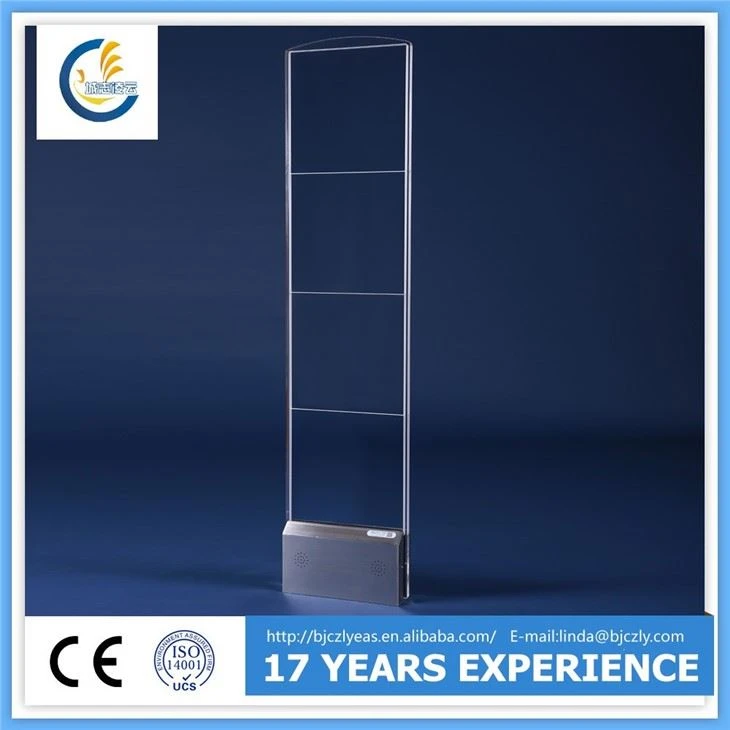
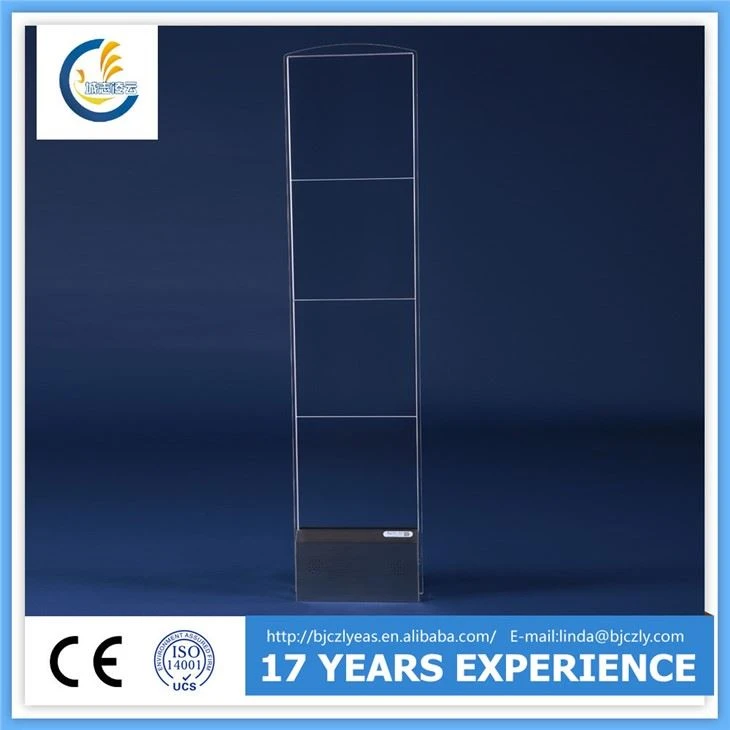
If you're considering purchasing an EAS RF Mono System or already have one and are concerned about calibration, don't hesitate to reach out to us. We can provide you with personalized advice based on your specific environment and usage needs. Whether you're a small business owner looking for an effective anti - theft solution or a large retailer in need of a reliable system, we're here to help. Contact us to discuss your requirements and start the procurement process. We're confident that our EAS RF Mono System, with proper calibration, can be a valuable asset to your business.
References
- Industry standards for EAS RF systems
- Internal research and development reports on EAS RF Mono System performance
- Customer feedback and case studies on system calibration and usage