

In the ever - evolving landscape of medical technology, the RF Dual System has emerged as a crucial component for various applications. As a supplier of RF Dual Systems, I am often asked about the safety and regulatory requirements that these systems must adhere to in a medical environment. This blog aims to delve deep into these requirements, providing a comprehensive understanding for healthcare providers, regulatory bodies, and other stakeholders.
1. Understanding the RF Dual System in a Medical Context
The RF Dual System, such as our 8.2MHZ Auminium Dual System, combines radio - frequency (RF) technology with a dual - mode operation. In a medical environment, it can be used for a variety of purposes, including patient monitoring, asset tracking, and security systems. For example, in patient monitoring, the system can track the movement of patients within a hospital, ensuring their safety and providing real - time data to healthcare providers. In asset tracking, it helps in keeping tabs on expensive medical equipment, reducing the risk of loss or theft.
2. Safety Requirements
2.1 Electromagnetic Compatibility (EMC)
One of the primary safety concerns in a medical environment is electromagnetic compatibility. The RF Dual System must not interfere with other medical devices and, conversely, should be immune to interference from other equipment. Medical facilities are filled with a plethora of electronic devices, such as MRI machines, defibrillators, and infusion pumps. Any electromagnetic interference can lead to malfunction of these critical devices, endangering patient safety.
To ensure EMC, our RF Dual System undergoes rigorous testing. We follow international standards such as IEC 60601 - 1 - 2, which specifies the requirements for electromagnetic emissions and immunity of medical electrical equipment. This testing includes radiated and conducted emissions testing to ensure that the system does not emit excessive electromagnetic radiation. Additionally, immunity testing is carried out to verify that the system can operate correctly in the presence of electromagnetic disturbances.
2.2 Electrical Safety
Electrical safety is another vital aspect. The RF Dual System must be designed to prevent electrical shocks and fires. It should have proper insulation, grounding, and over - current protection. For instance, the power supply of the system should be isolated to prevent direct electrical contact with patients or healthcare workers. We adhere to standards like IEC 60601 - 1, which sets the general requirements for the safety of medical electrical equipment. This standard covers aspects such as protection against electric shock, mechanical safety, and thermal safety.
2.3 Biological Safety
In a medical environment, the RF Dual System may come into contact with patients. Therefore, it must be biologically safe. This means that the materials used in the system should be non - toxic, non - allergenic, and easy to clean and disinfect. For example, if the system has sensors that are placed on the patient's body, they should be made of biocompatible materials. We ensure that our products meet relevant biological safety standards, such as ISO 10993, which provides guidance on the biological evaluation of medical devices.
3. Regulatory Requirements
3.1 FDA Regulations (United States)
In the United States, the Food and Drug Administration (FDA) regulates medical devices, including the RF Dual System. The FDA classifies medical devices into three classes based on the level of risk they pose to patients. The RF Dual System may fall under Class II or Class III, depending on its intended use.
For Class II devices, manufacturers are required to submit a 510(k) pre - market notification to the FDA. This submission demonstrates that the device is substantially equivalent to a legally marketed device (predicate device). The 510(k) process involves providing detailed information about the device's design, performance, and safety. For Class III devices, a more rigorous pre - market approval (PMA) process is required, which includes clinical trials to prove the safety and effectiveness of the device.
Our company is well - versed in the FDA regulations. We work closely with regulatory experts to ensure that our RF Dual System meets all the necessary requirements for market approval in the United States.
3.2 CE Marking (European Union)
In the European Union, medical devices must bear the CE mark, indicating that they comply with relevant European Union directives. For the RF Dual System, the most relevant directives are the Medical Device Directive (MDD) or the new Medical Device Regulation (MDR).
The CE marking process involves a conformity assessment, which can be carried out by a Notified Body. This assessment includes a review of the device's technical documentation, which covers aspects such as design, manufacturing, and safety. Our RF Dual System is designed to meet the requirements of the MDR, ensuring that it can be legally sold in the European Union.
3.3 Other International Regulations
Apart from the United States and the European Union, different countries have their own regulatory requirements. For example, in Canada, medical devices are regulated by Health Canada. In Australia, the Therapeutic Goods Administration (TGA) is responsible for regulating medical devices. We keep a close eye on these international regulations and ensure that our RF Dual System can be adapted to meet the specific requirements of different markets.
4. Security - Related Regulatory Aspects
4.1 Data Security
In a medical environment, the RF Dual System may collect and transmit sensitive patient data. Therefore, data security is of utmost importance. Regulations such as the Health Insurance Portability and Accountability Act (HIPAA) in the United States and the General Data Protection Regulation (GDPR) in the European Union set strict rules for the protection of patient data.
Our RF Dual System is designed with robust data security features. We use encryption algorithms to protect data during transmission and storage. Additionally, access to the data is restricted to authorized personnel only. We also conduct regular security audits to ensure compliance with data security regulations.
4.2 Physical Security
Physical security is also a concern. The RF Dual System should be protected against unauthorized access and tampering. This can be achieved through the use of locks, access control systems, and surveillance cameras. For example, if the system is installed in a hospital storage room to track medical assets, it should be placed in a secure cabinet with restricted access.
5. Our Commitment to Compliance
As a supplier of the RF Dual System, we are committed to meeting all safety and regulatory requirements. We have a dedicated quality control team that oversees the entire manufacturing process, from design to production. Our products are regularly tested and certified by independent testing laboratories to ensure compliance with international standards.
We also stay updated with the latest regulatory changes. Our regulatory affairs team closely monitors new regulations and guidelines, and we make necessary adjustments to our products and processes to ensure continued compliance.
6. Conclusion
The RF Dual System plays a crucial role in the medical environment, but it must meet strict safety and regulatory requirements. From electromagnetic compatibility to data security, every aspect of the system is carefully regulated to ensure patient safety and the proper functioning of medical facilities.
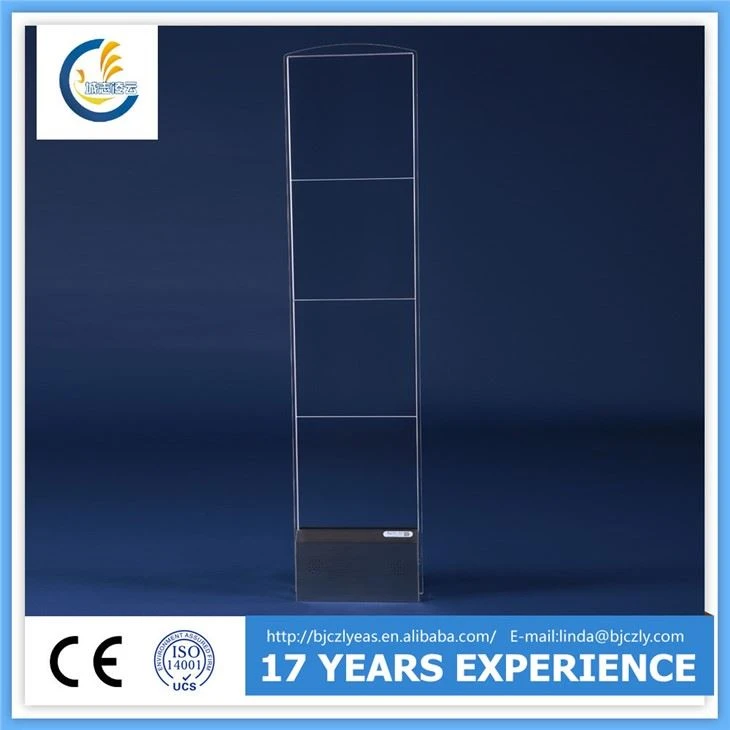

If you are interested in our RF Dual System or our other products like EAS RF Security System Products and RF Acrylic Mono System, and want to learn more about how they meet the safety and regulatory requirements in a medical environment, we encourage you to contact us for a detailed discussion and procurement洽谈. We are ready to provide you with high - quality products and professional services to meet your specific needs.
References
- IEC 60601 - 1: General requirements for basic safety and essential performance of medical electrical equipment
- IEC 60601 - 1 - 2: Electromagnetic compatibility - Requirements and tests for medical electrical equipment
- ISO 10993: Biological evaluation of medical devices
- United States Food and Drug Administration (FDA) regulations
- European Union Medical Device Regulation (MDR)
- Health Insurance Portability and Accountability Act (HIPAA)
- General Data Protection Regulation (GDPR)